

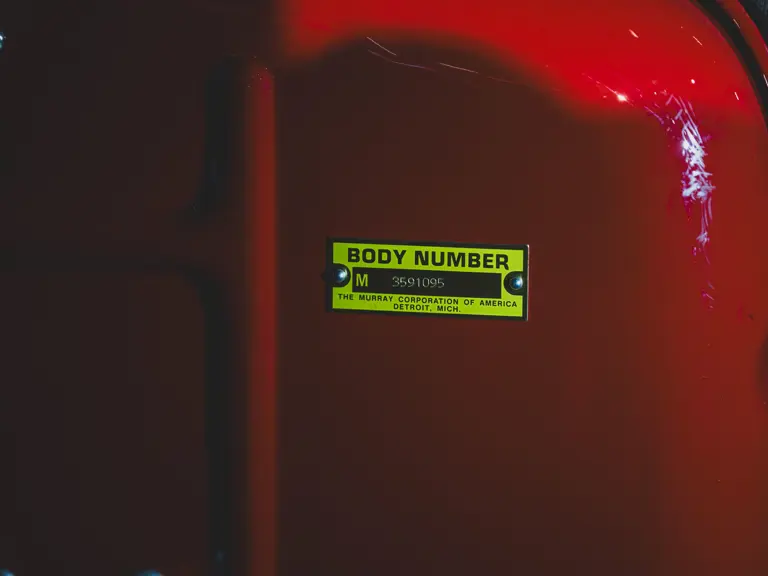
Identification No.
3591095
{{lr.item.text}}
Offered from the Vehicle Vault Collection
Offered Without Reserve
{{bidding.lot.reserveStatusFormatted}}
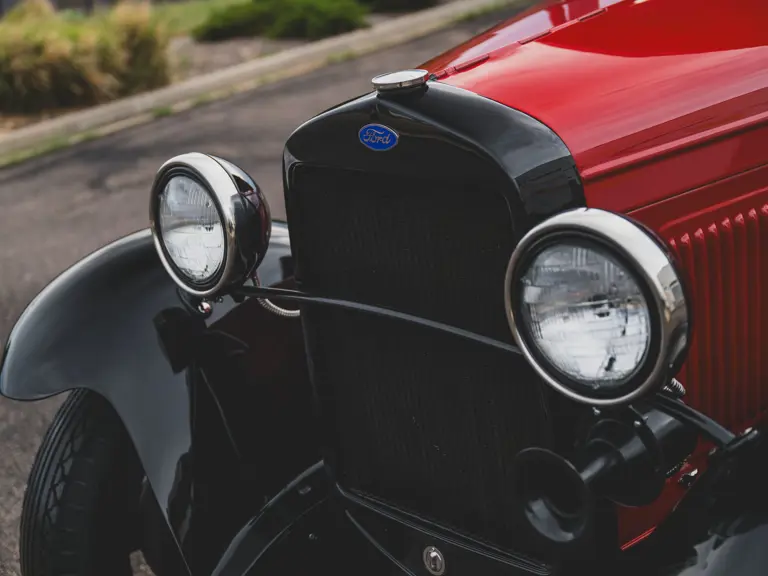
One of the early powerhouses in the burgeoning commercial trucking industry, the Ford Motor Company's Model AA truck was based on its Model A automobile platform but with a longer wheelbase, a stronger frame, and generally sturdier chassis components. The Model AA was available with two different wheelbases and rear axle configurations, with several body styles to permit its use as a panel truck, an express delivery truck, a garbage truck, a bus, an ambulance, or delivered as a cab and chassis for commercial customization.
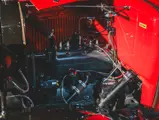
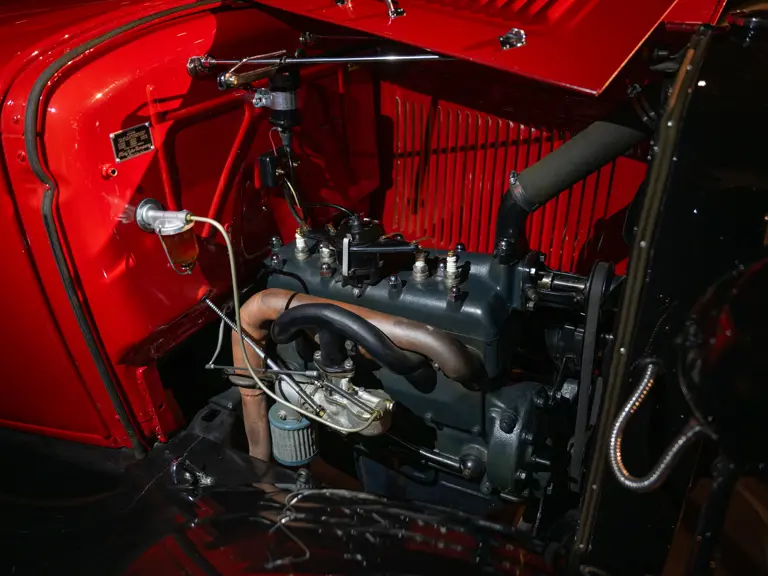
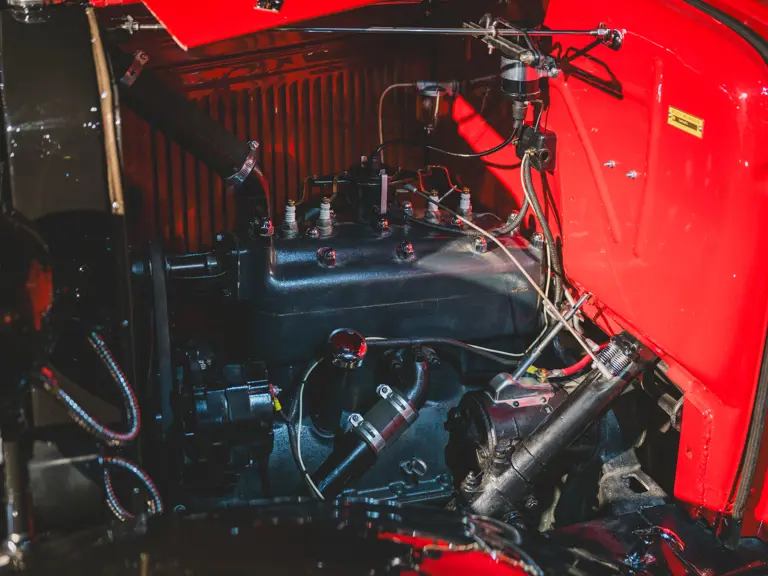
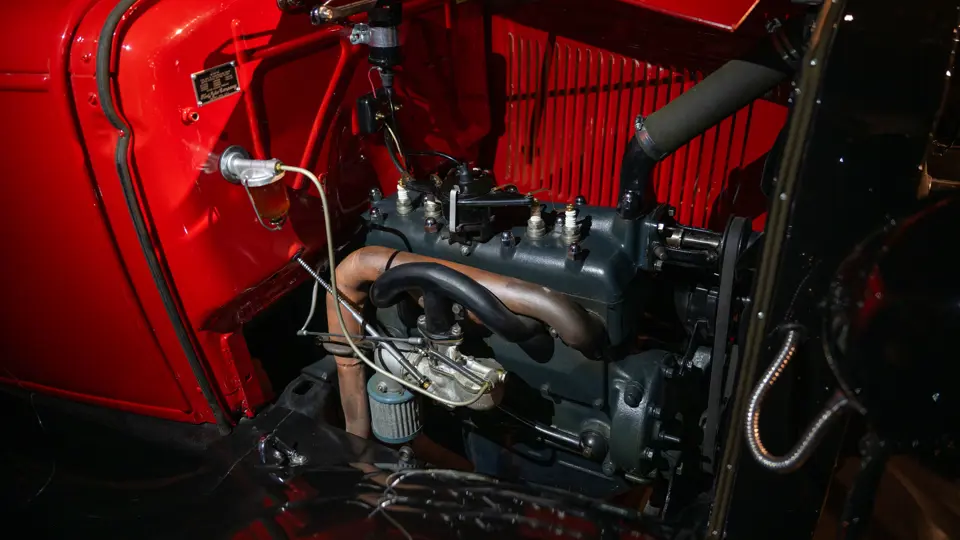
Model AA Fords used the 40-horsepower, 201-cubic-inch four-cylinder engine from the Model A. The Model AA had a heavy-duty rear suspension designed to carry heavy loads and lower gear ratios in the transmission and rear differential, enabling up to 1.5 tons of cargo capacity. Even today, nearly 100 years since these vehicles were produced, they remain highly capable and incredibly popular with enthusiasts the world over.
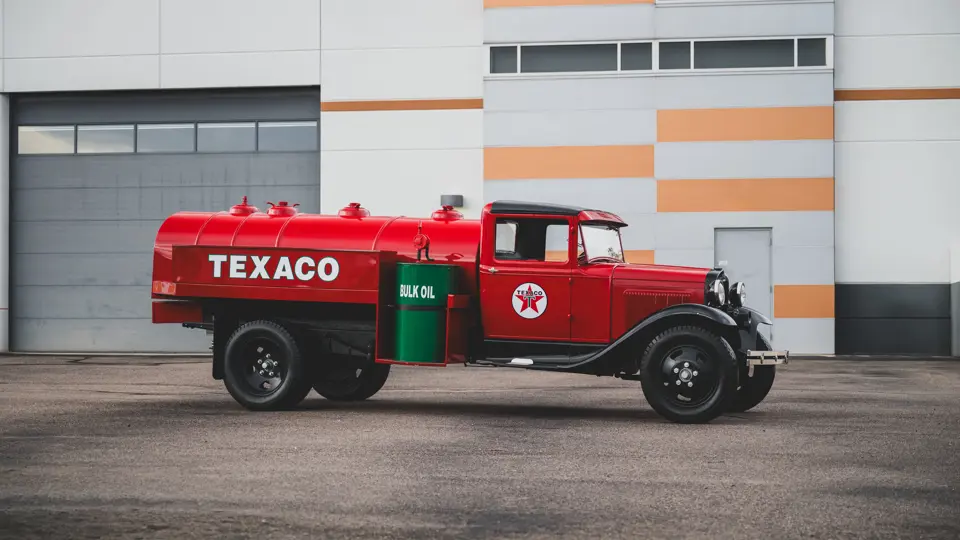
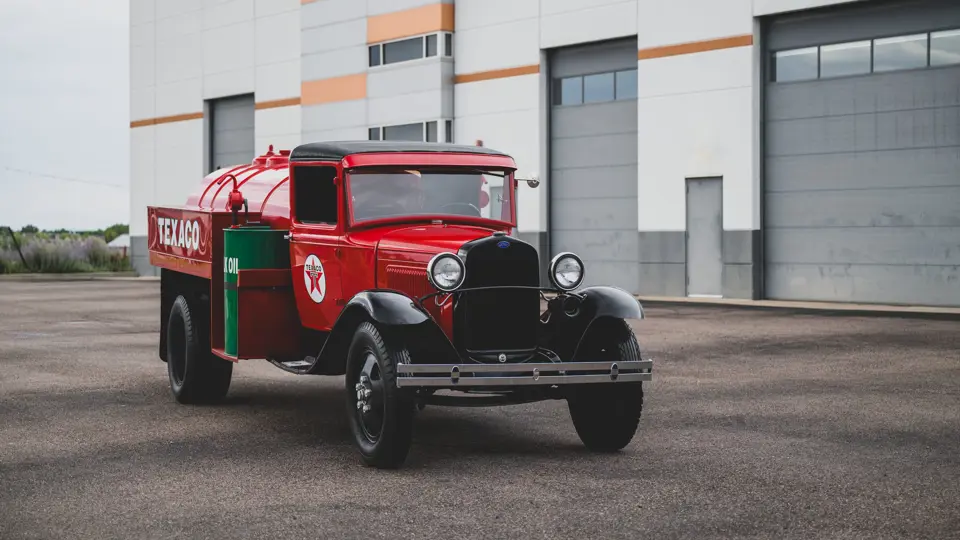
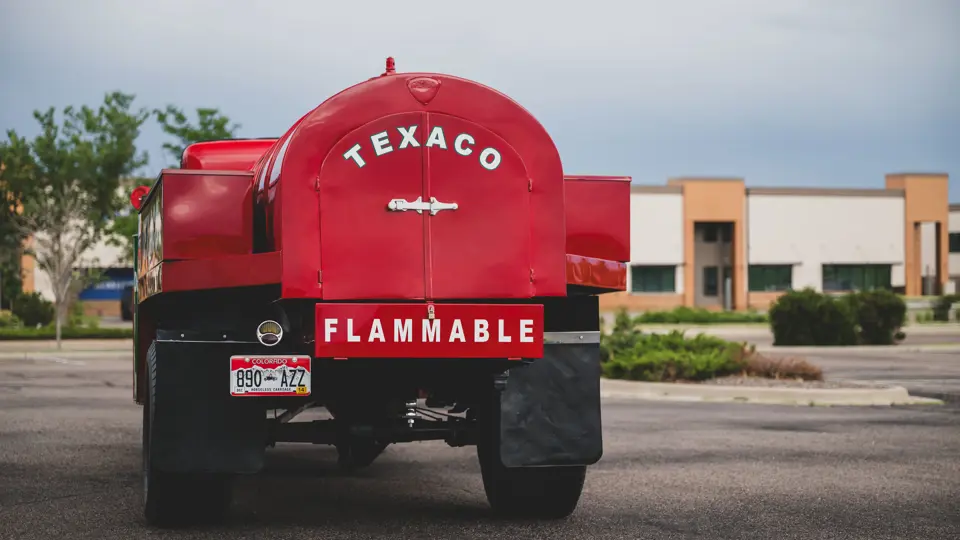
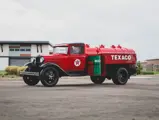
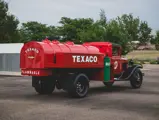
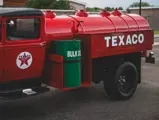
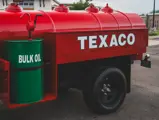
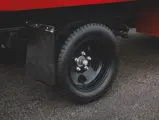
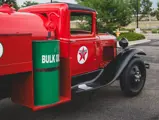
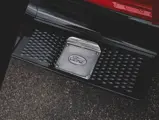
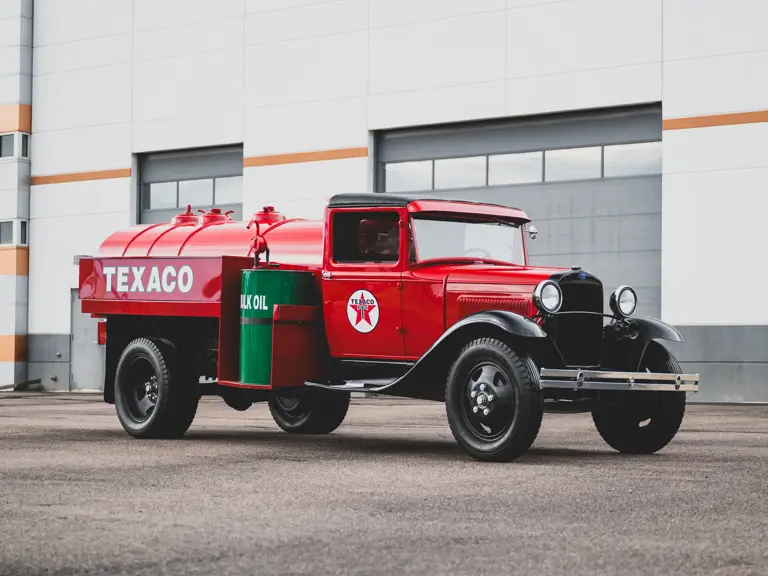
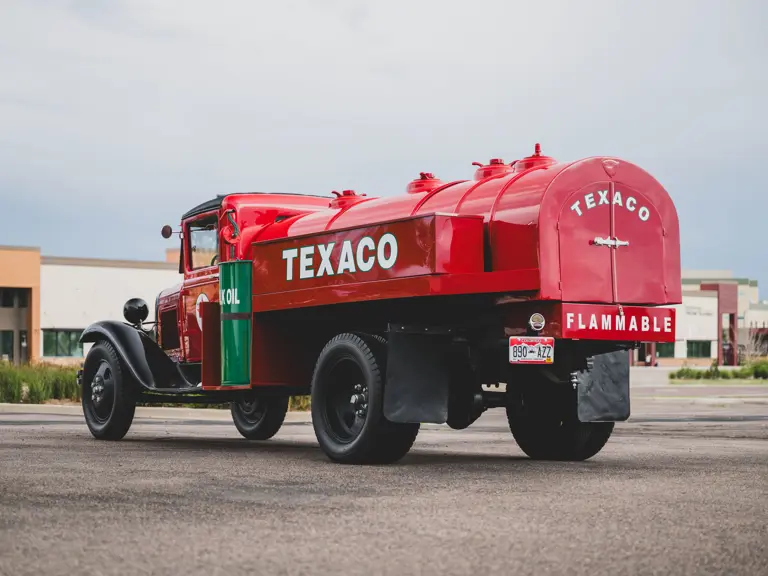
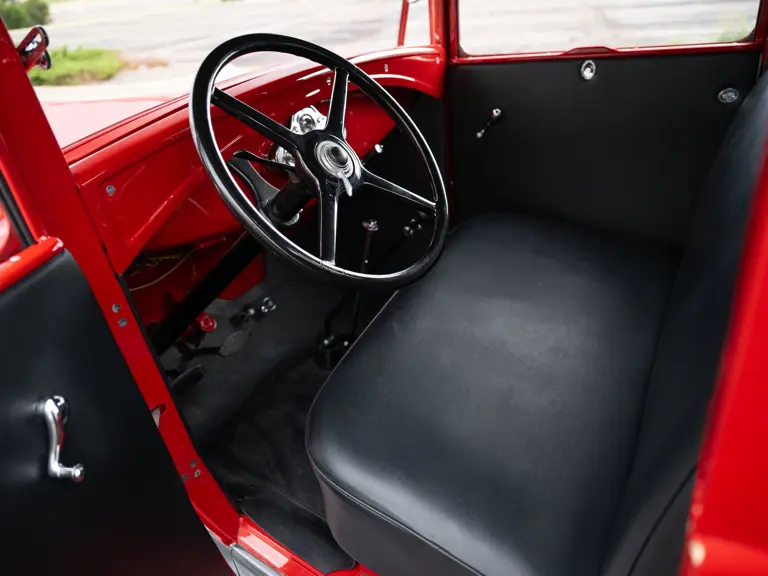
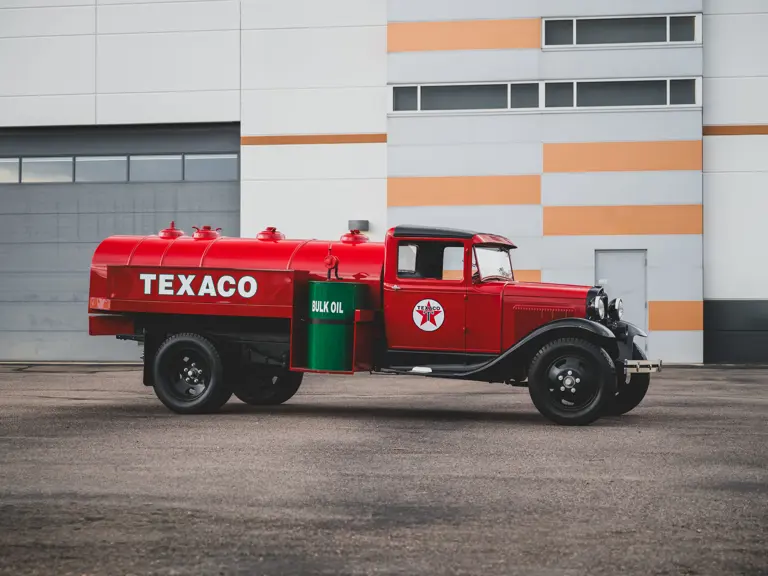
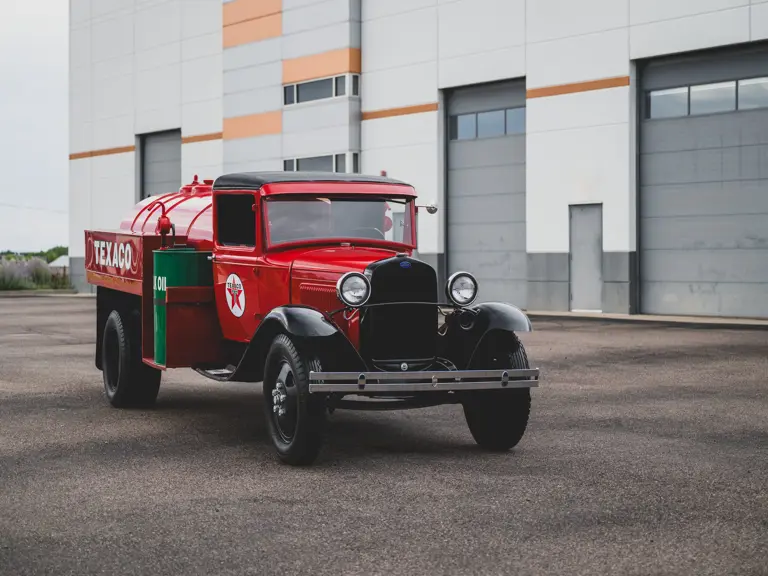
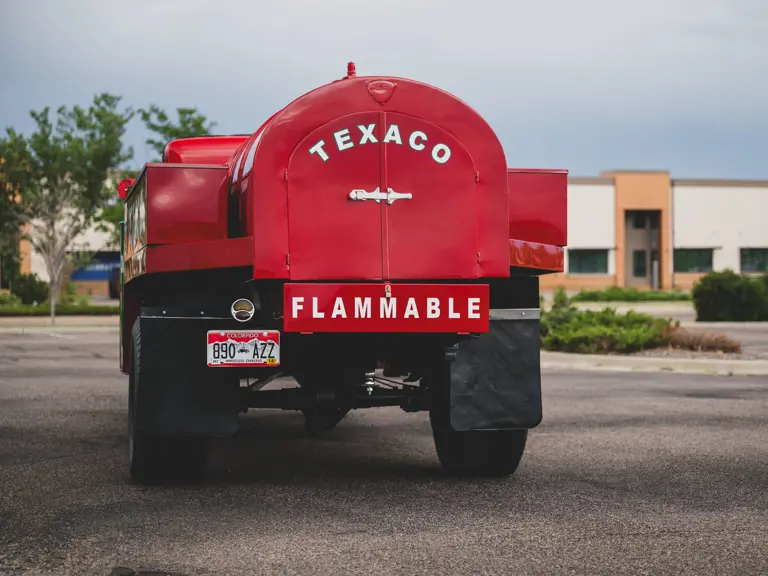
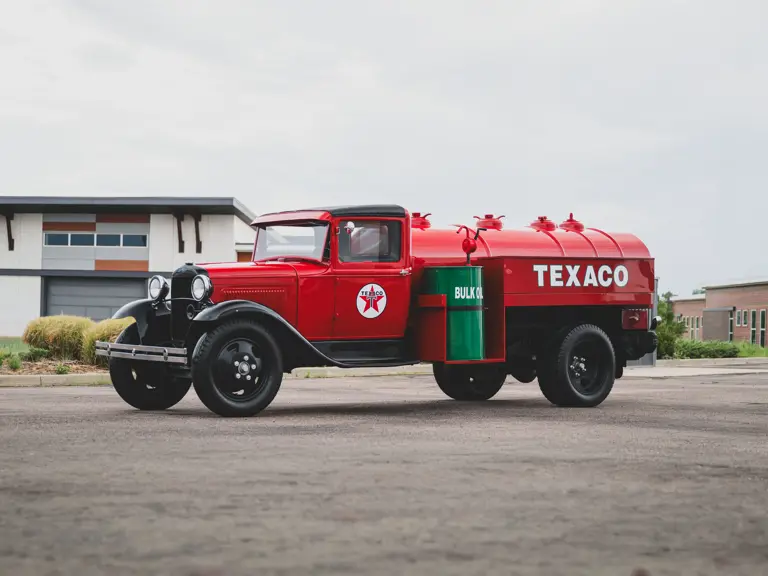
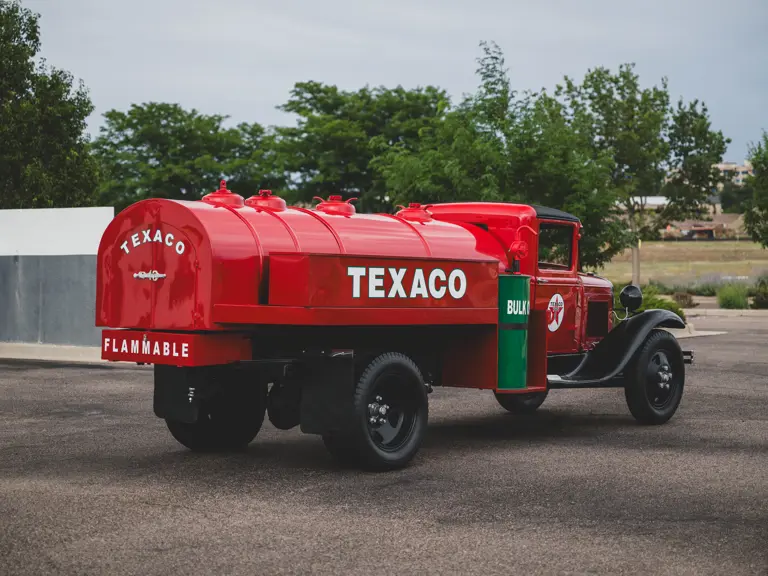
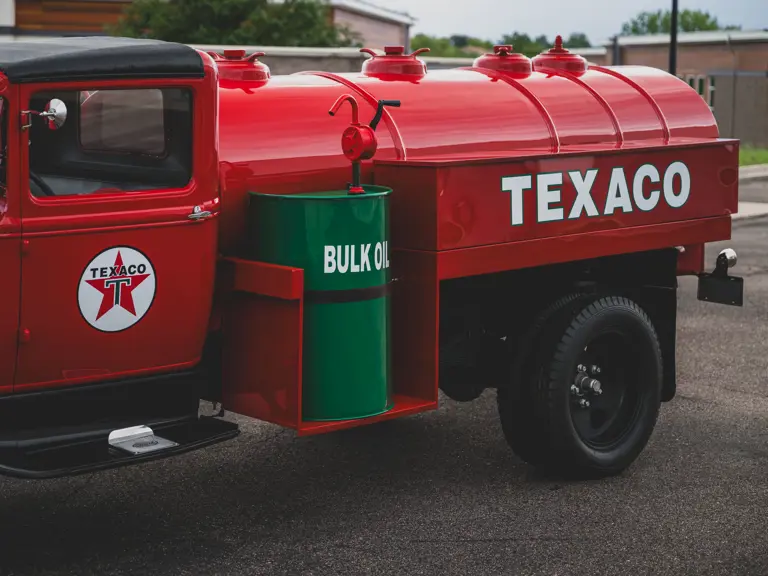
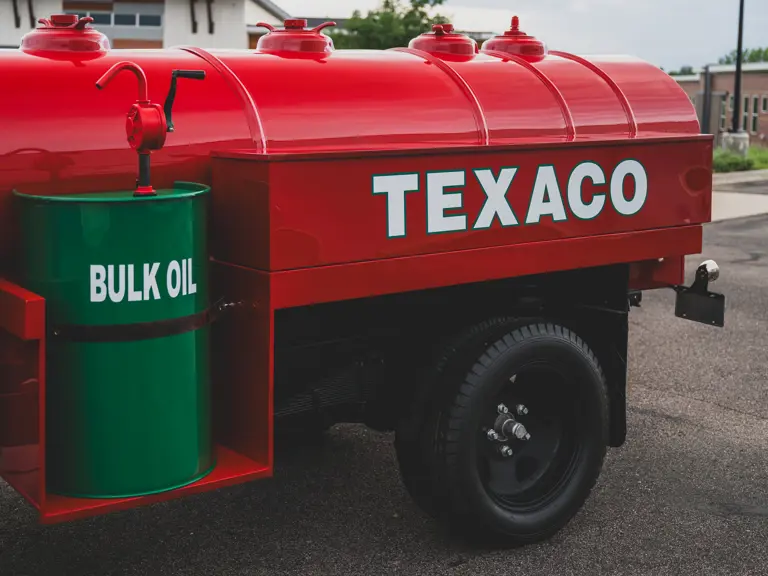
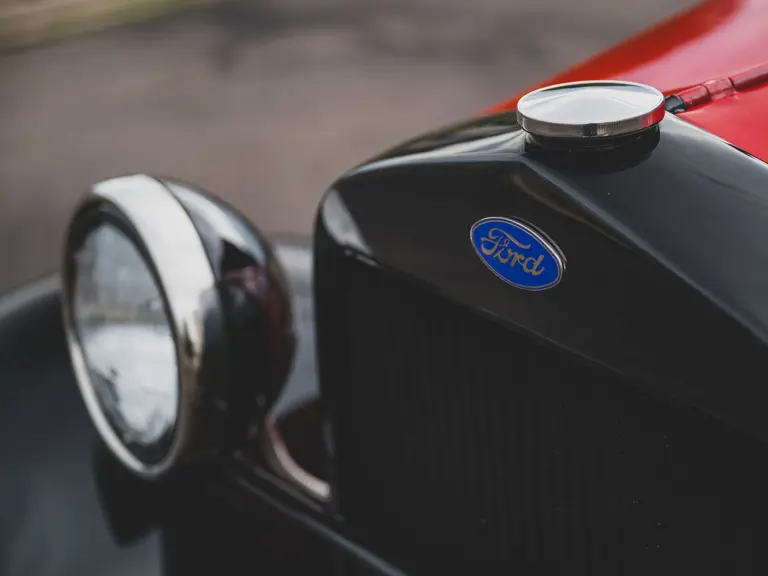
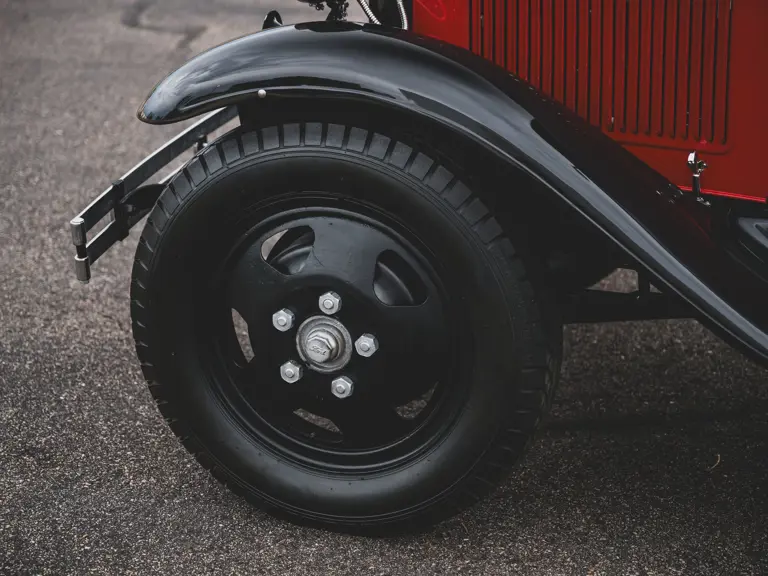
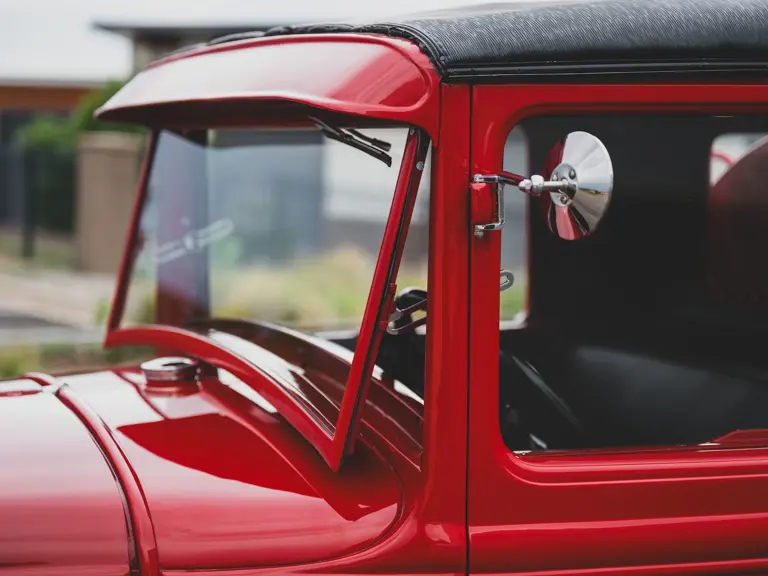
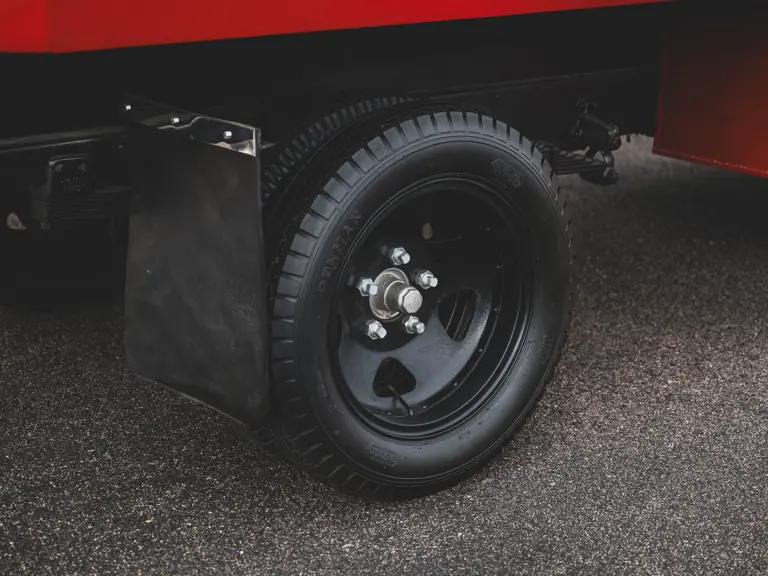
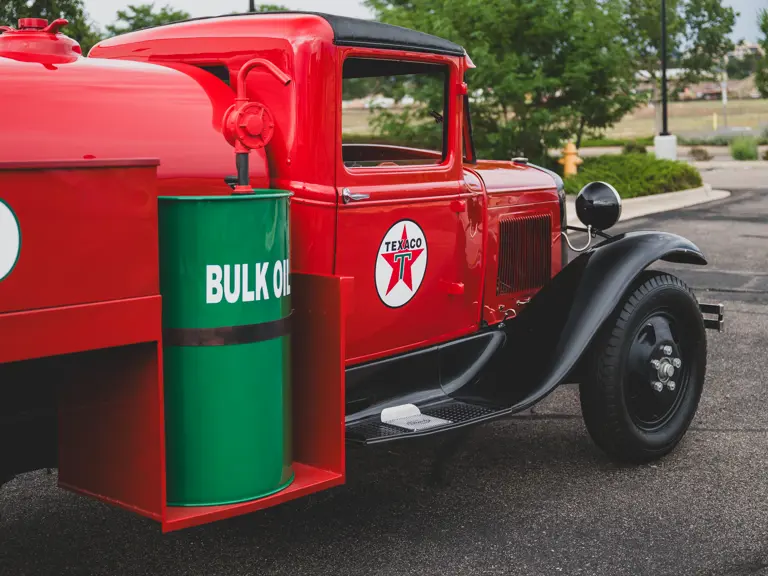
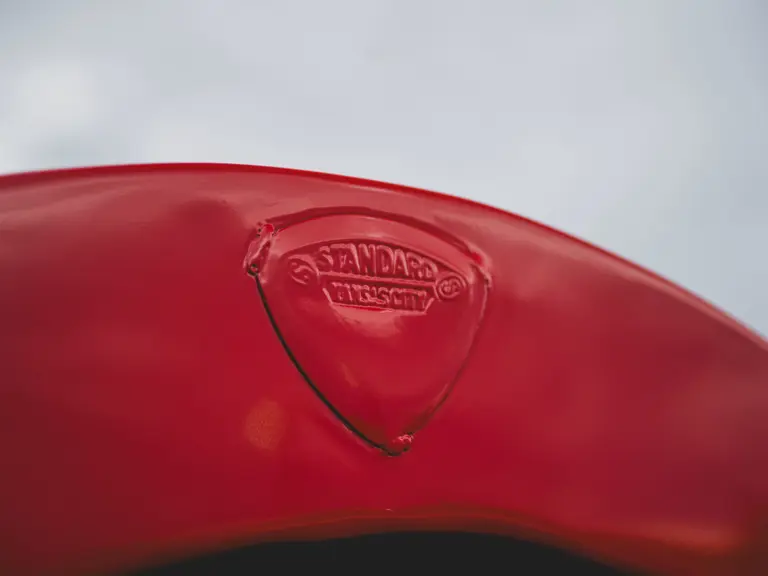
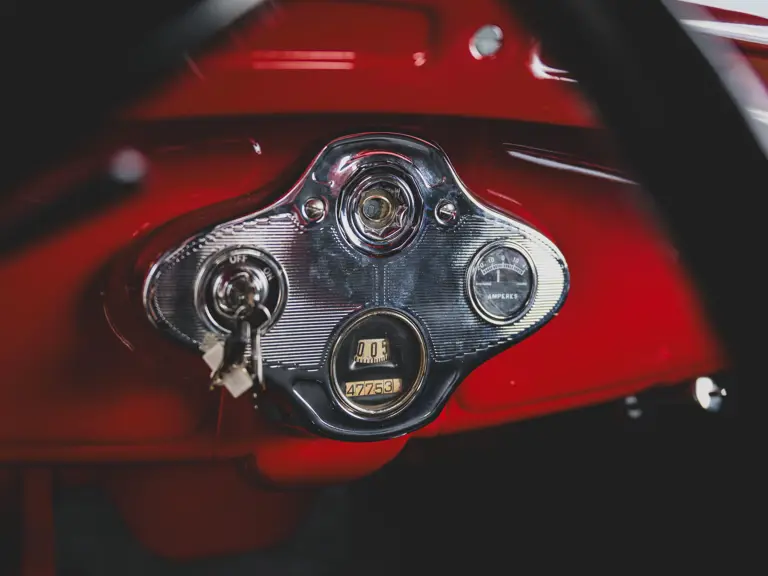
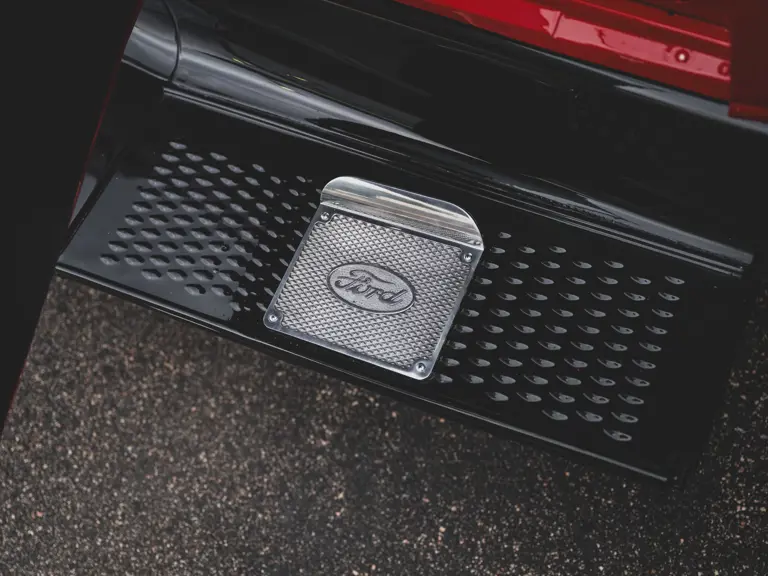
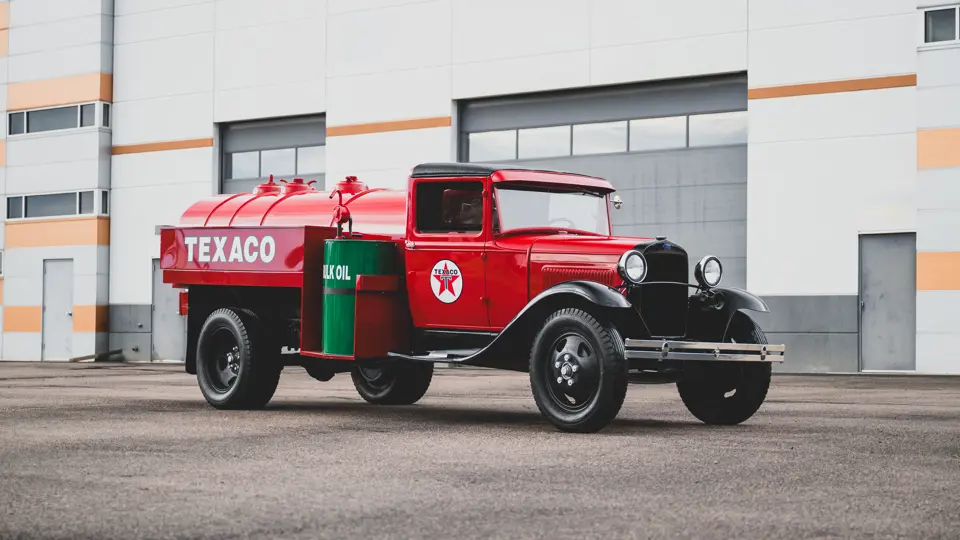
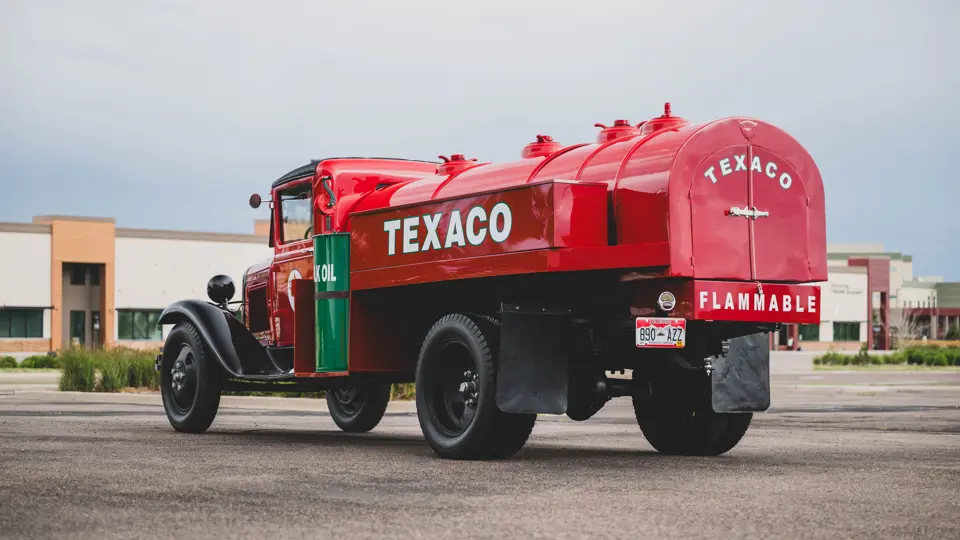
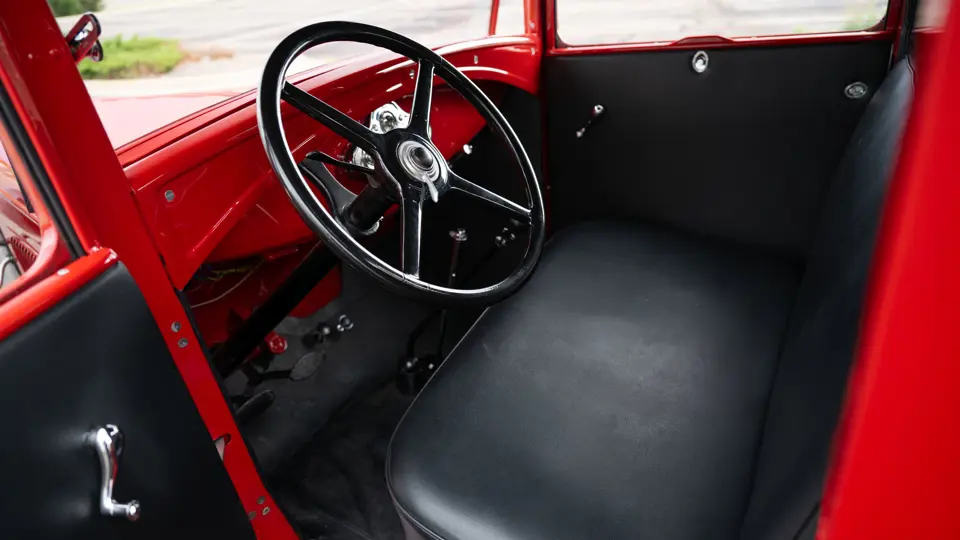
Acquired by the Vehicle Vault Collection in January 2012, this 1931 Model AA Tanker Truck exhibits an older restoration featuring a charming Texaco livery. It is equipped with a four-split holding tank by Standard Kansas City along with separate bulk oil drums and long storage boxes flanking either side of the large holding tank. Other exterior features include a double-bar front bumper, a horn, an exterior sun visor, a driver-side mirror, step plates, and rear mud flaps. The interior features a bench seat, fold-out windshield, and typical Model A instrumentation, including a speedometer and gauges for amperes and fuel. This example has been upgraded to a 12-volt electrical system and features an alternator.
Most pre-war trucks were simply discarded once their working days were behind them, making an example such as this both a refreshing sight and a true head-turner.
 | Hershey, Pennsylvania