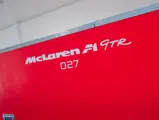
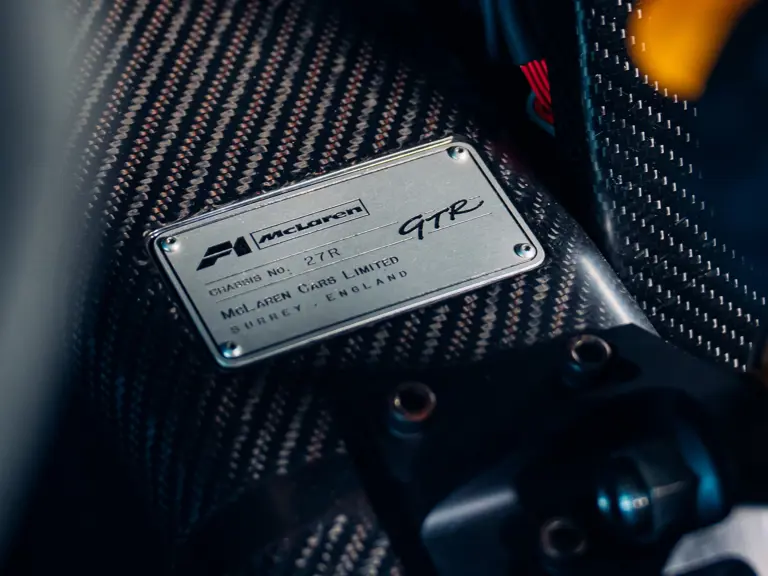
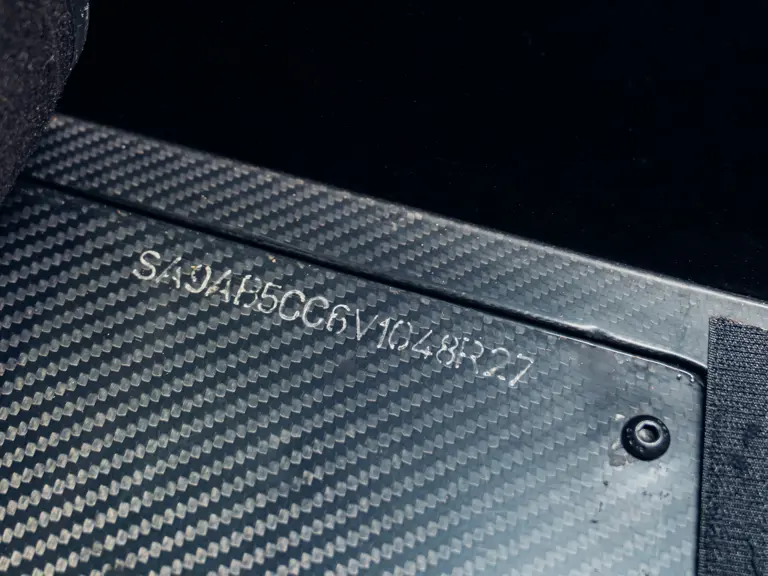
Chassis No.
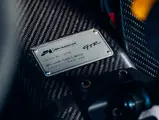
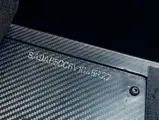
SA9AB5CC6V1048R27
{{lr.item.text}}
{{bidding.lot.reserveStatusFormatted}}
THE GENESIS OF THE LONGTAIL GTR
As race seasons go, the McLaren F1 GTR’s 1995 debut year certainly takes some beating: 13 races, 11 overall wins—including the 24 Hours of Le Mans—one second place and one retirement.
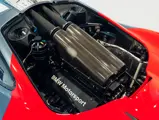
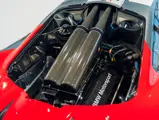
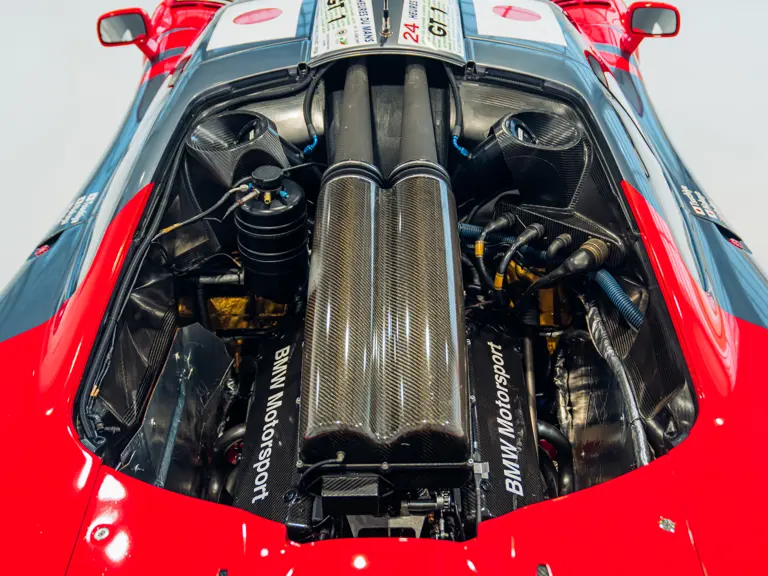
Mindful of the looming threat in 1996 from Porsche’s new homologation special 911 GT1, McLaren set about updating the GTR for its sophomore season. Although outwardly similar, the 1996-specification car benefitted from higher downforce bodywork, revised suspension geometry, and a lower centre of gravity; the latter facilitated by lowering its BMW V-12 engine by some 50mm. Additionally, the car’s six-speed gearbox was redesigned with a magnesium rather than aluminium casing, thicker side walls, and strengthened internals.
Once again, McLaren proved hard to beat in 1996, winning seven of the eleven BPR races held—although Porsche secured GT-class bragging rights at Le Mans and won all three BPR rounds which they contested. McLaren were left with much to ponder for 1997, not least the series’ transition to a fully-fledged FIA Championship, and the imminent arrival of Mercedes-Benz’s controversial CLK GTR.
As had been the case numerous times previously in the GT racing arena, regulatory interpretation became critical and highly contentious. If Porsche’s 911 GT1 had previously left the door ajar to allegations of homologation abuse, then Mercedes-Benz had flung it wide open with their new charge. Indeed, in late 1996, Mercedes-AMG had procured a current-specification F1 GTR for “research” purposes, before proceeding to build their own car—in conjunction with composite specialists Lola—inside five months. Paddock tensions were further inflamed by their intention to build just one CLK GTR Straßenversion in 1997, as was apparently permitted by the newly drafted FIA (as opposed to BPR) regulations.
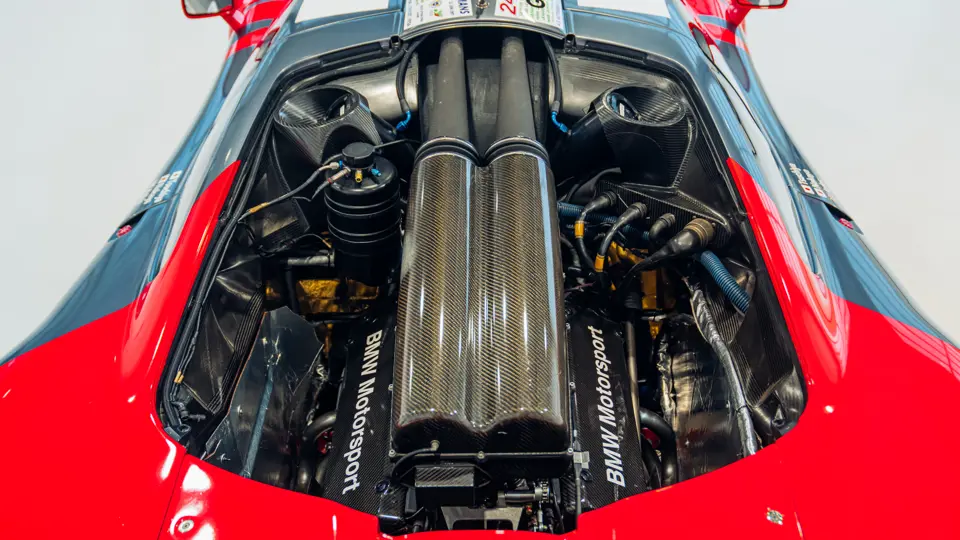
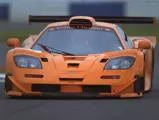
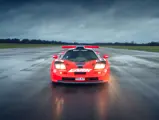
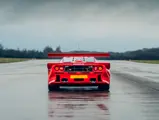
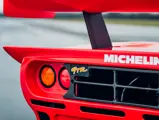
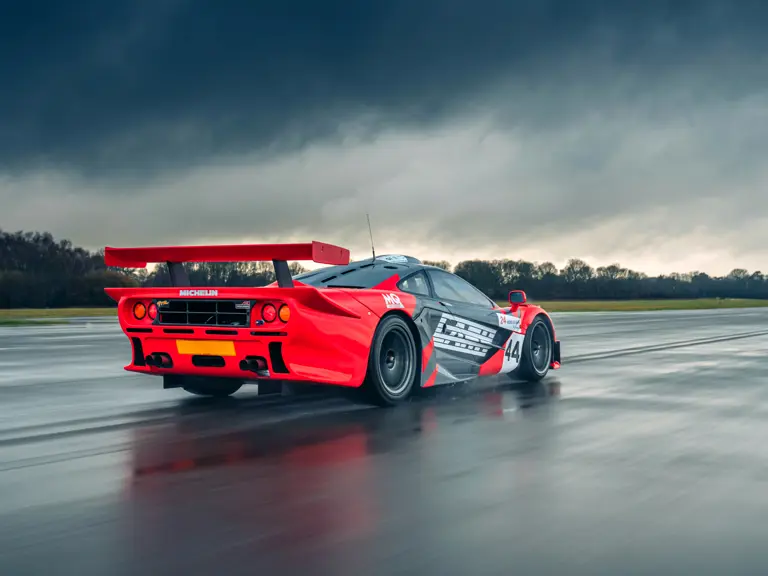
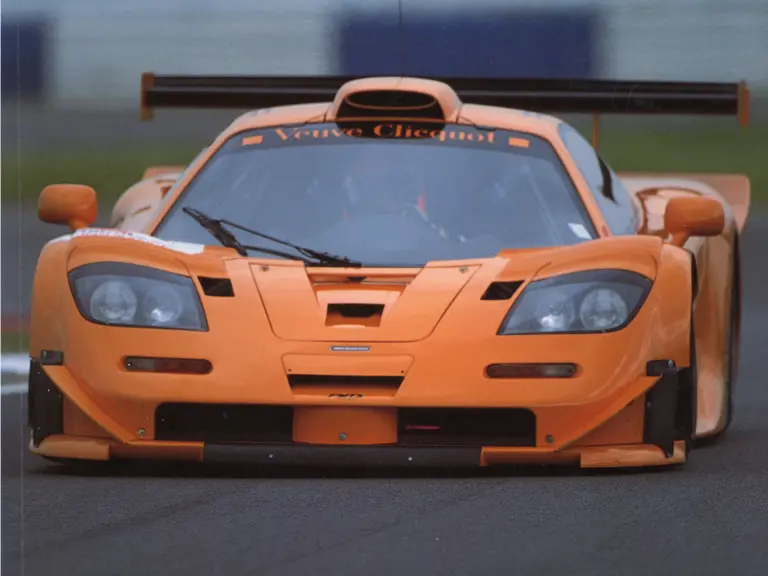
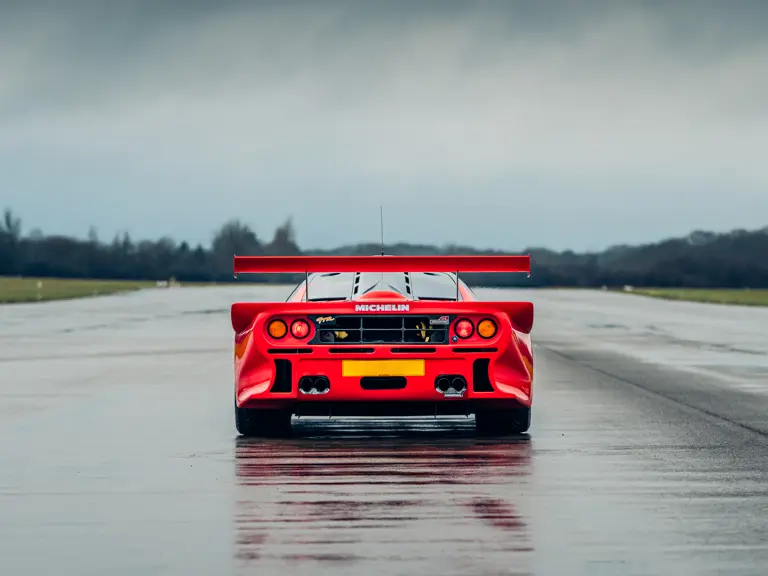
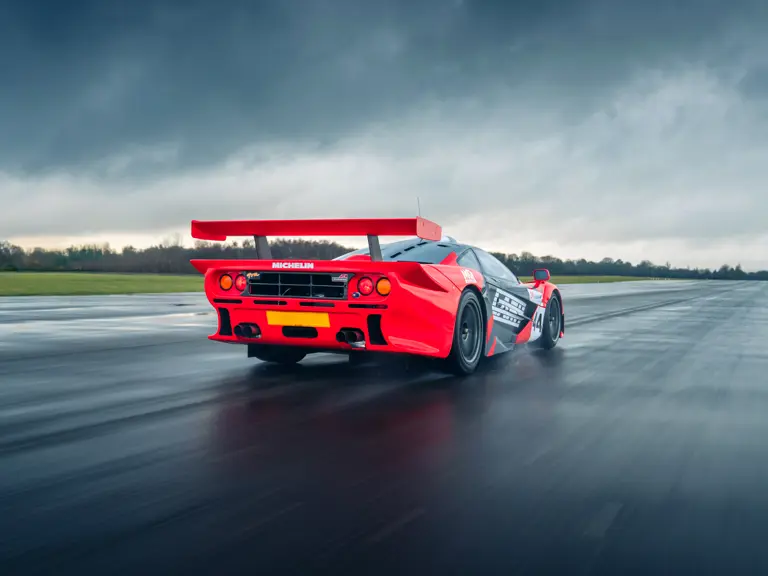
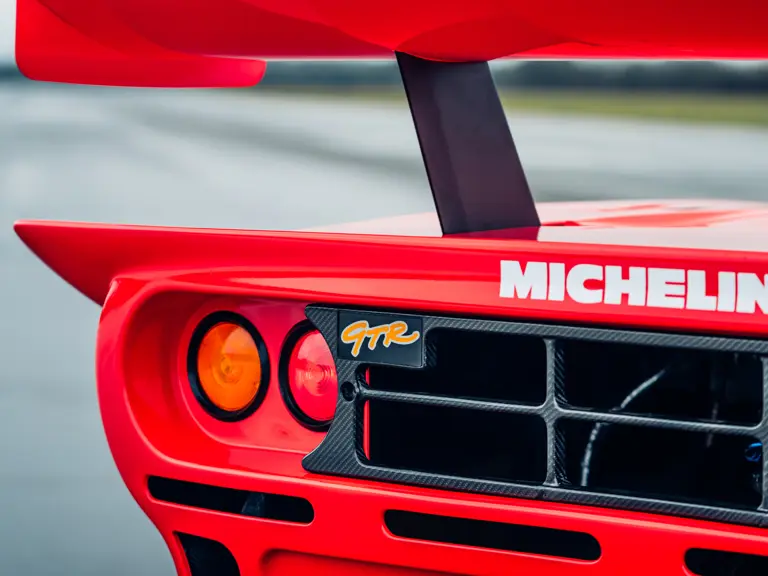
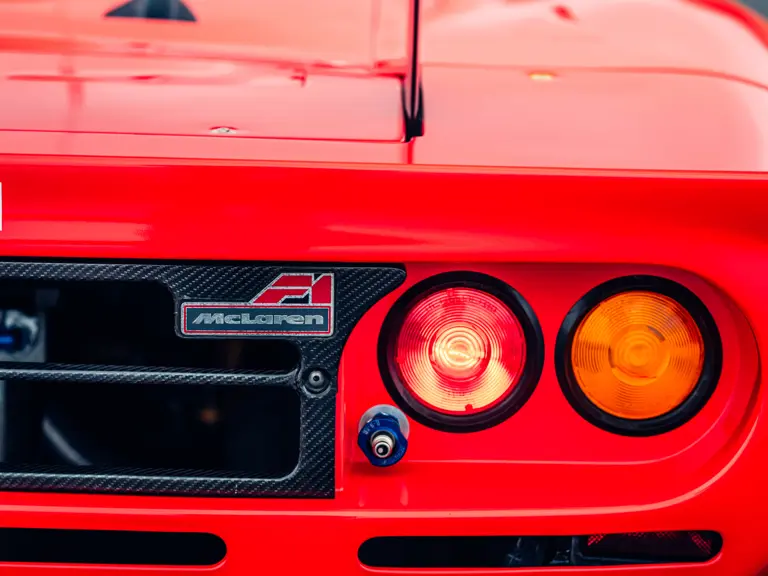
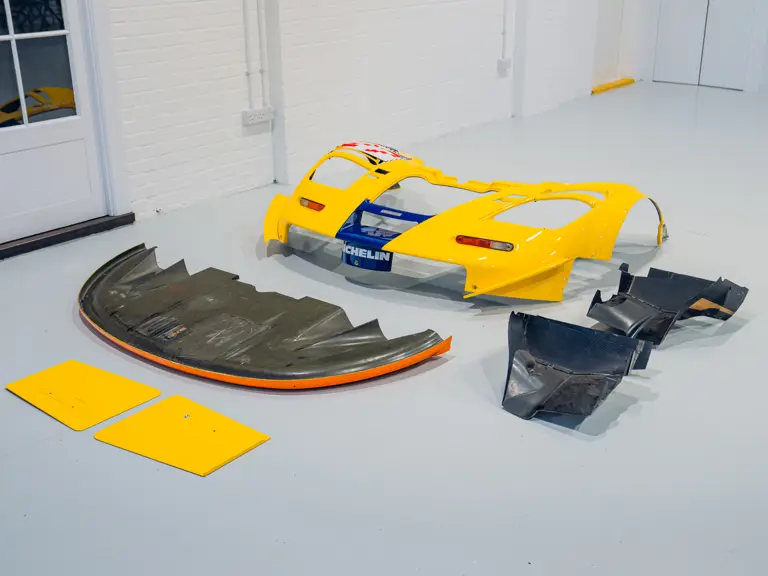
Suitably bemused by the actions of their then-current Formula 1 engine suppliers, McLaren redoubled their efforts in redesigning the F1 GTR for the upcoming season. Most noticeable was the new car’s dramatic high downforce, longtail bodywork; its overall length having increased by almost 65 centimetres. A new X-trac six-speed sequential gearbox superseded the earlier “H”-pattern unit, while a revised marginally smaller capacity 6.0-litre BMW engine offered better throttle response and reliability. Additionally, the entire rear end was redesigned in the interests of weight-saving; the resulting car weighing just 915 kilograms—an impressive 135 kilograms less than its 1995 counterpart.
CHASSIS NUMBER 27R – THE 1997 SEASON
McLaren initially retained ownership of the prototype for development purposes, while 27R, the penultimate car constructed—and the car offered here—was originally purchased by London-based financier David Morrison’s Parabolica Motorsport concern. As a keen Ferrari enthusiast, his collection had at one time or another included a 250 GTO, 330 LMB, and 250 GT SWB Competizione, so his new acquisition could hardly have been in more discerning hands. In fact, upon delivery, 27R became Morrison’s third F1, joining as it did his F1 road car and his one-of-six F1 LM.
Although a capable driver himself, Morrison aimed to contest the FIA GT Championship with 27R, and wisely decided that such lofty ambitions were likely best achieved with two professional drivers. To this end, Parabolica recruited Gary Ayles and Chris Goodwin; the British pair having enjoyed strikingly similar and contemporaneous racing careers, initially in single-seaters, via Touring Cars and ultimately in International GT racing.
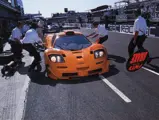
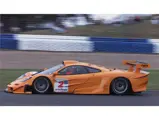
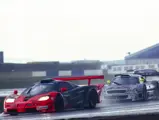
Duly finished in the striking colour scheme of yellow with a blue central stripe, and devoid of any commercial sponsorship, 27R made its—and indeed the longtail GTR’s—competition debut in the first round of the British GT Championship at Silverstone, on 6 April 1997. Qualifying identified Goodwin and Ayles as the class of the field; their fastest lap some 4.5 seconds quicker than the second-placed Harrier LR9C of Win Percy and Charlie Cox. The McLaren pair continued their domination in the 50-minute race, lapping the entire field to take an emphatic debut win for the longtail GTR. Significantly, the result meant that the F1 GTR had now enjoyed debut victories in each of its three guises.
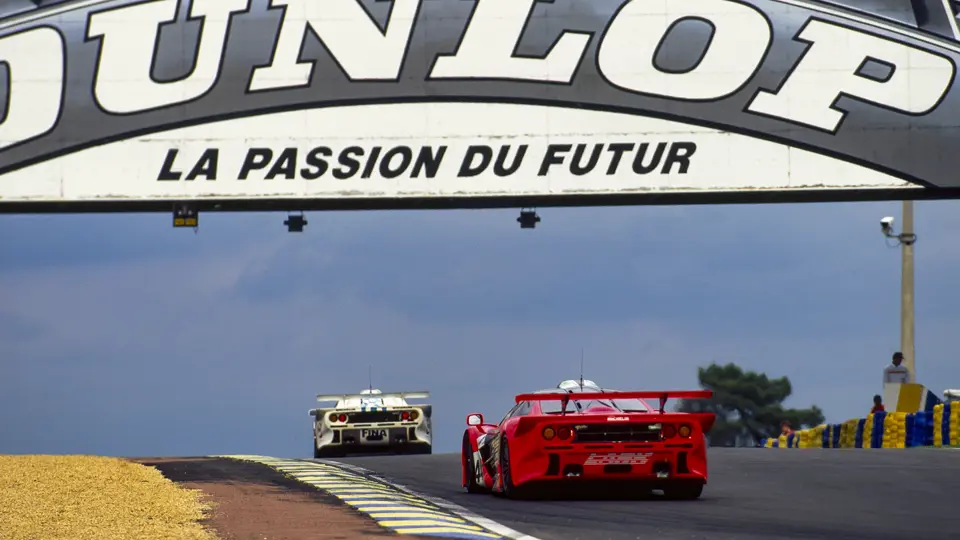
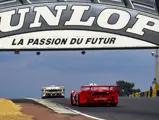
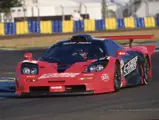
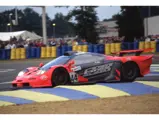
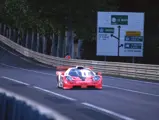
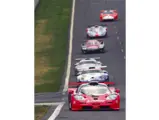
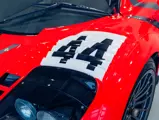
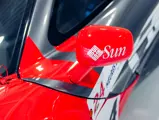
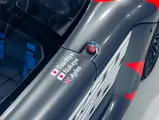
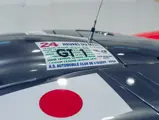
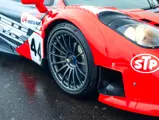
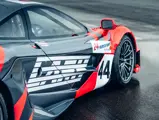
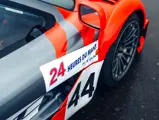
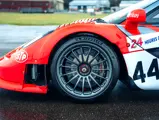
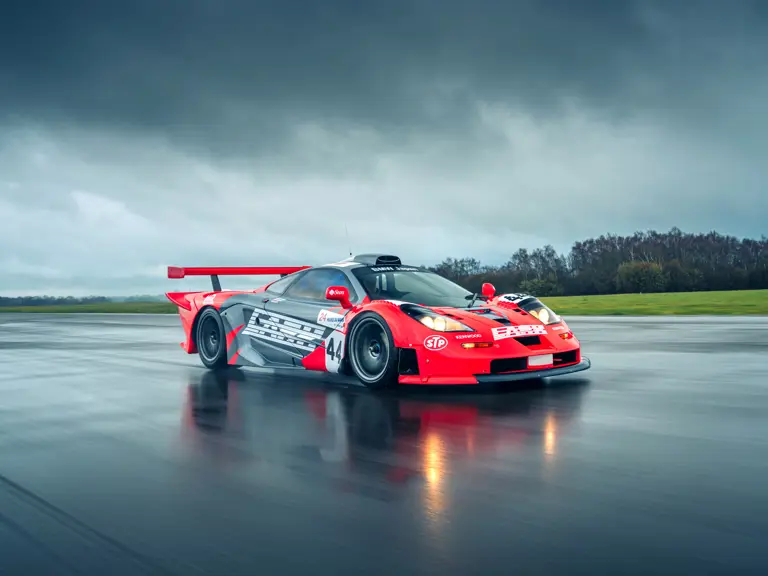
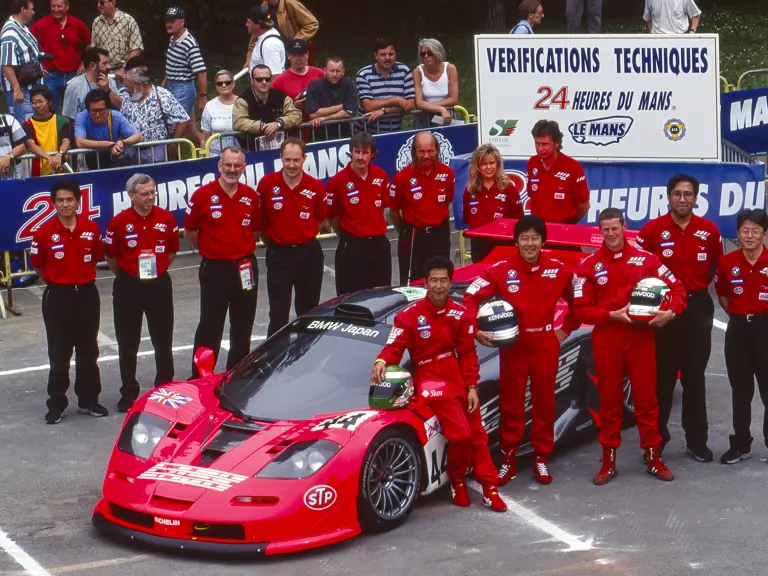
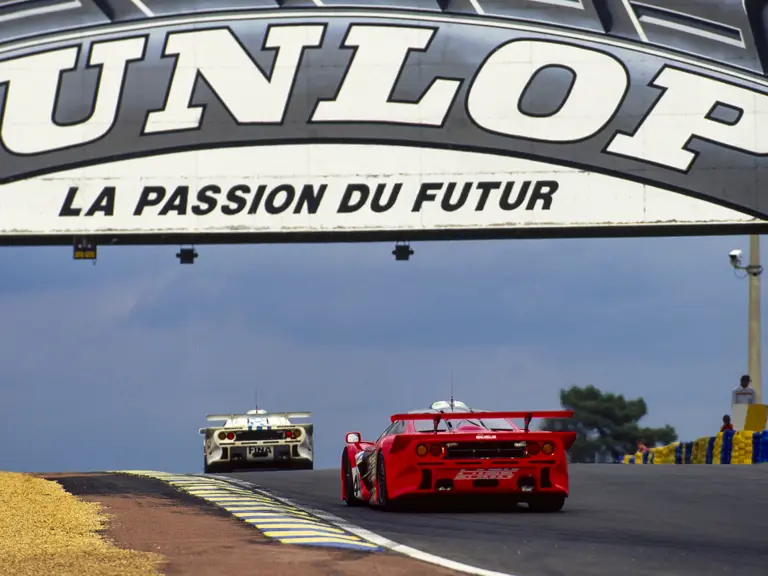
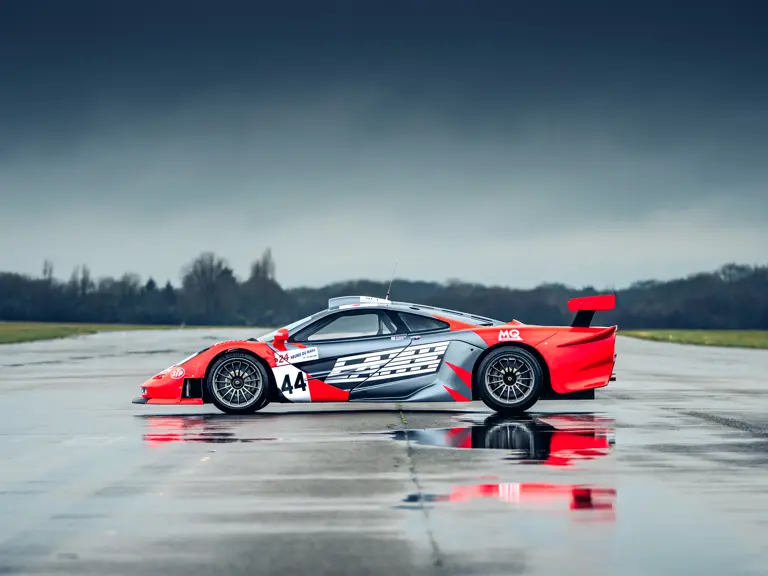
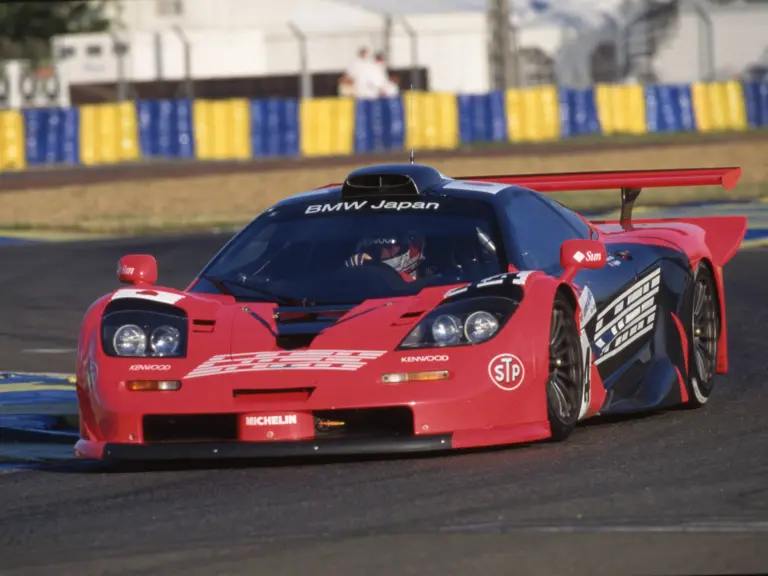
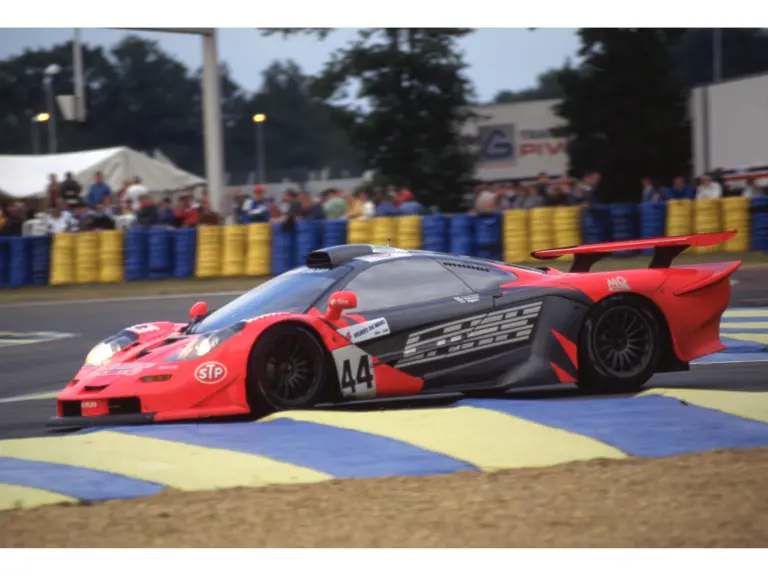
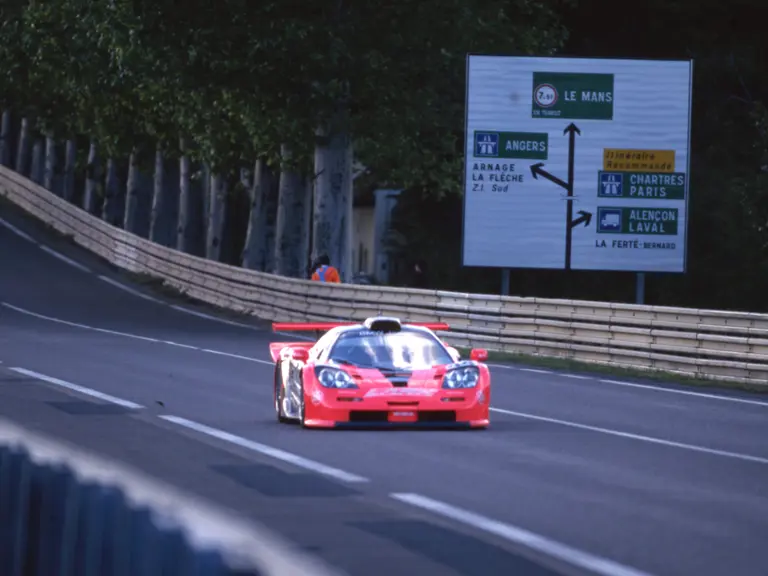
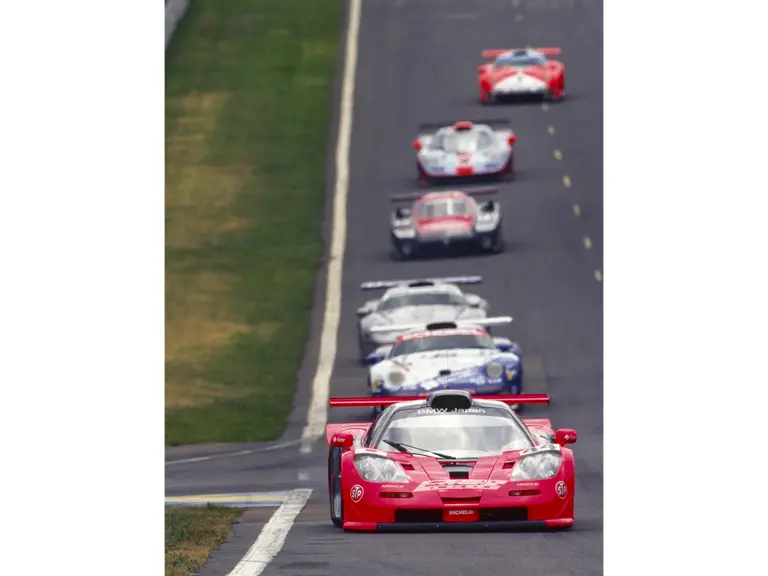
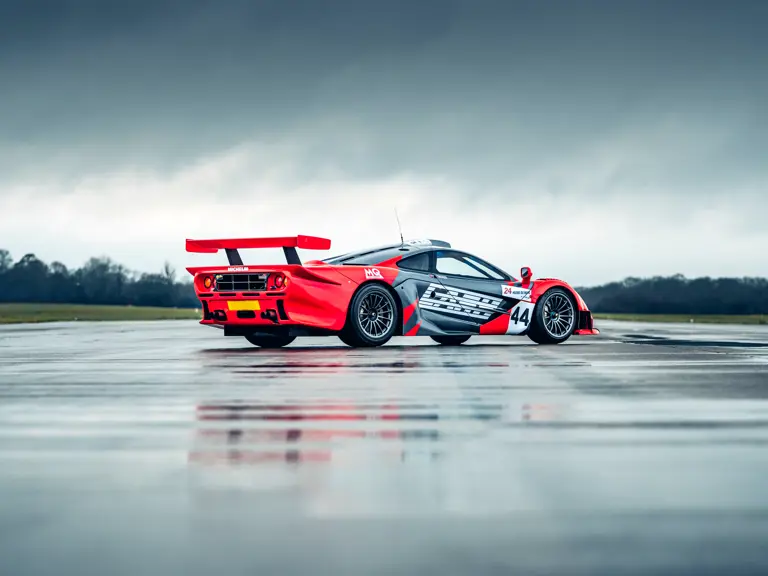
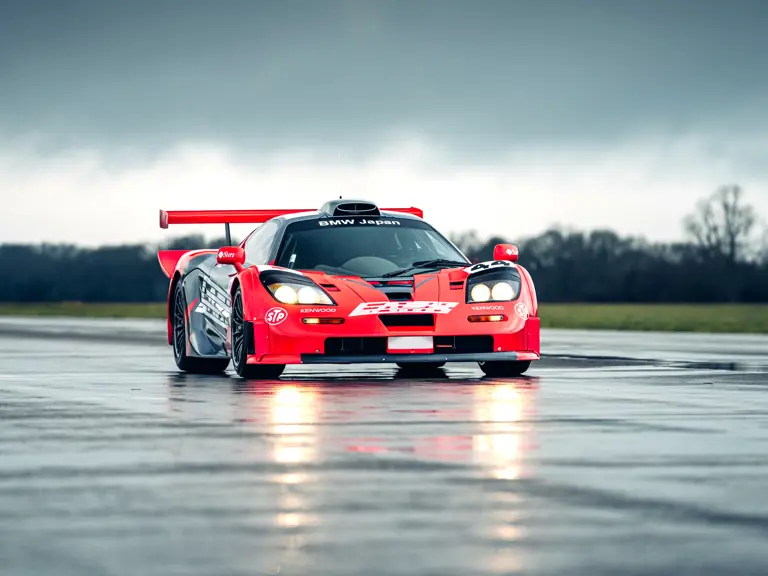
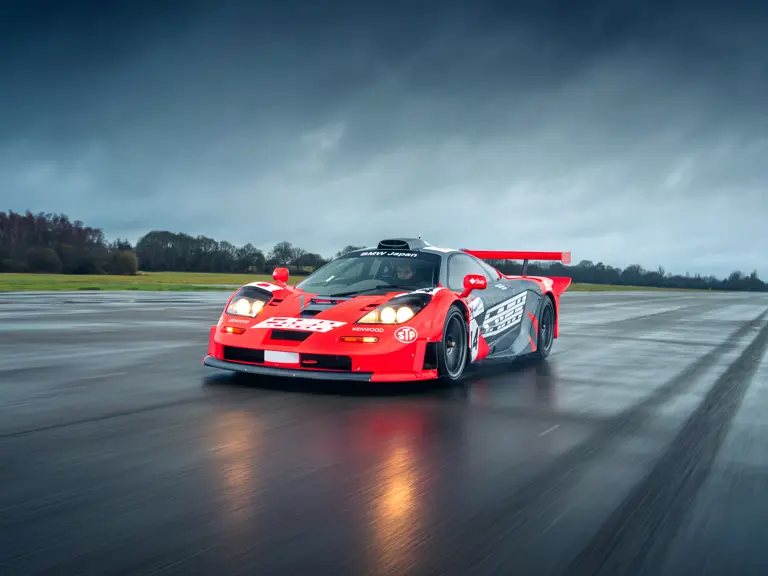
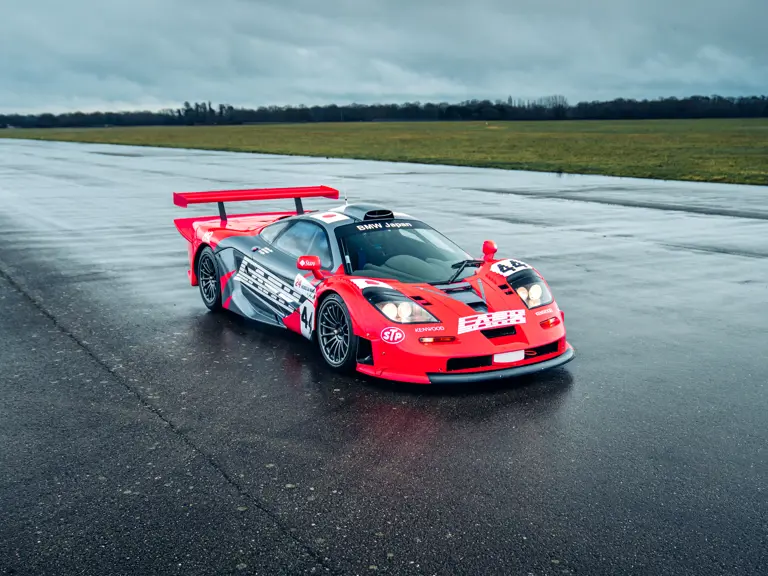
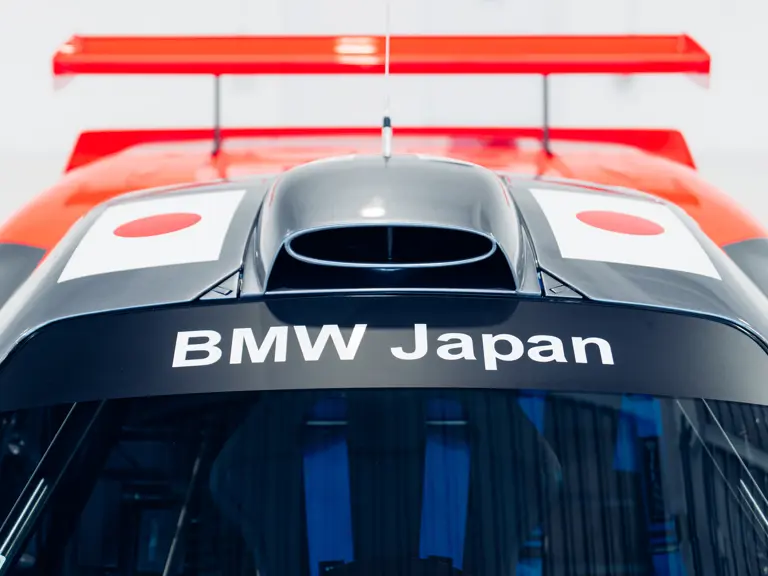
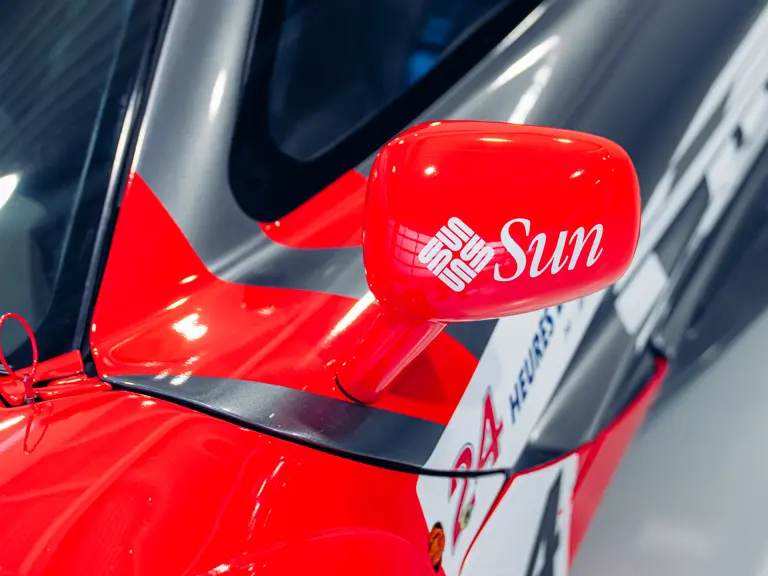
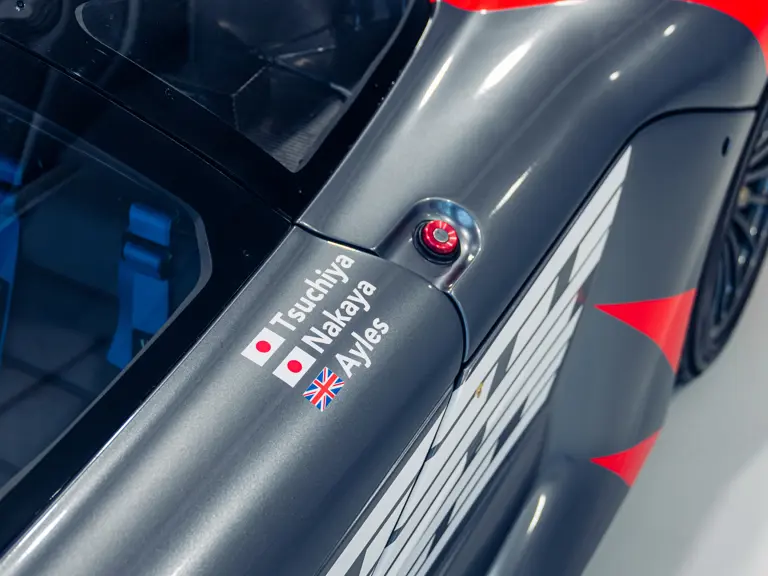
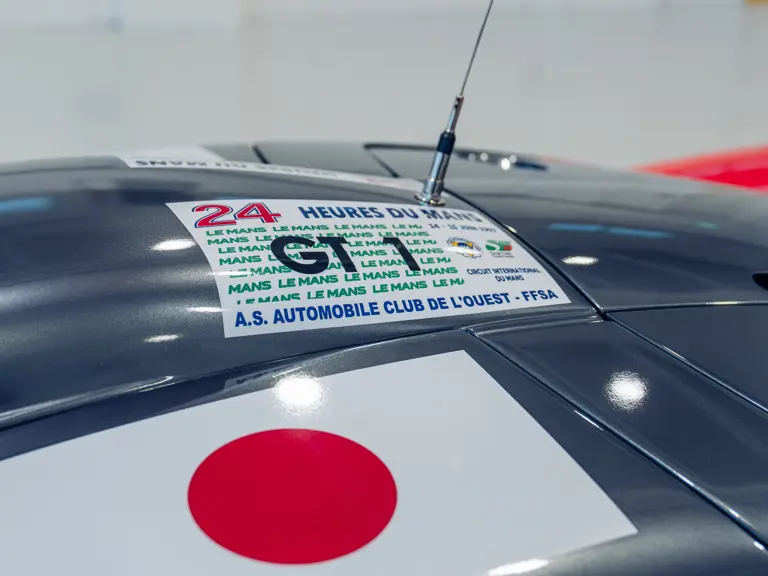
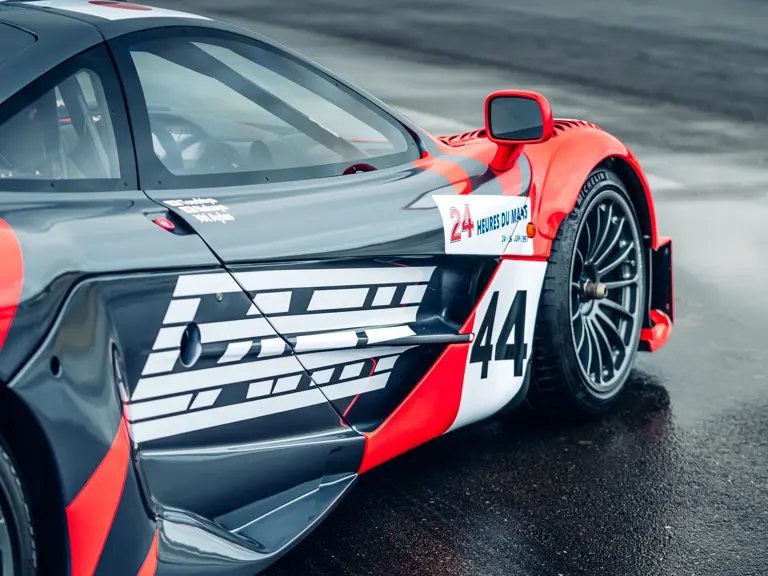
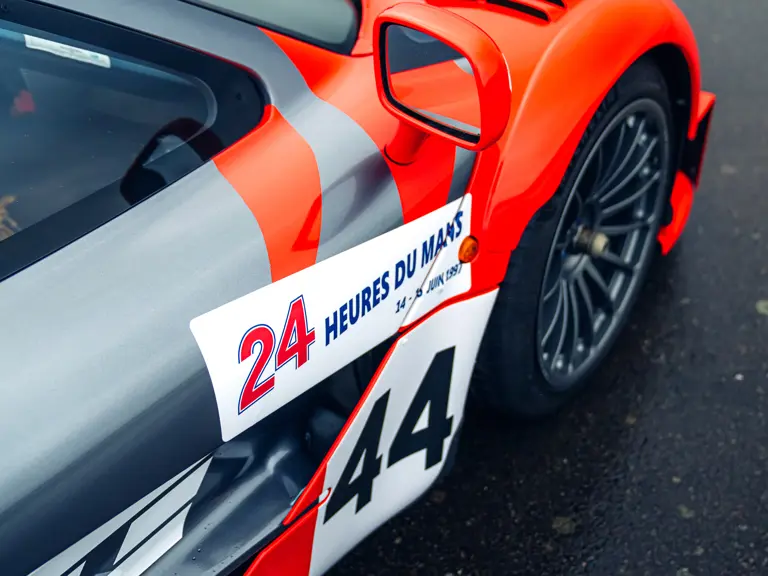
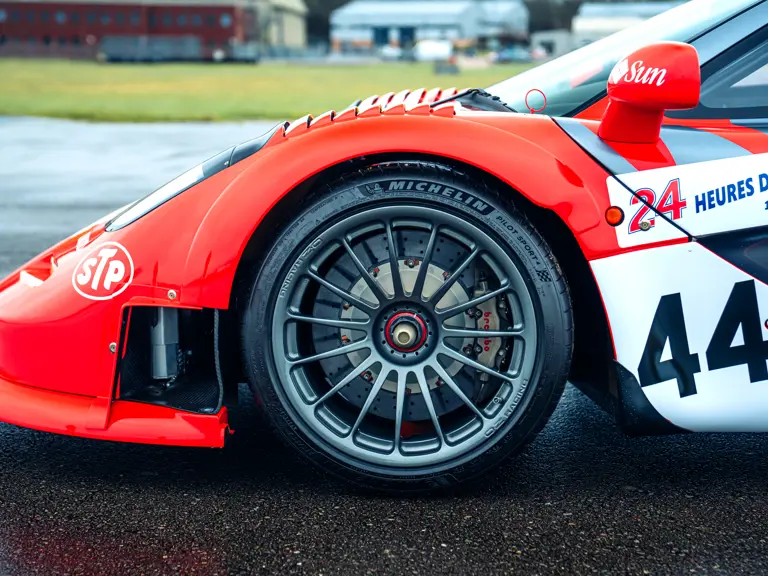
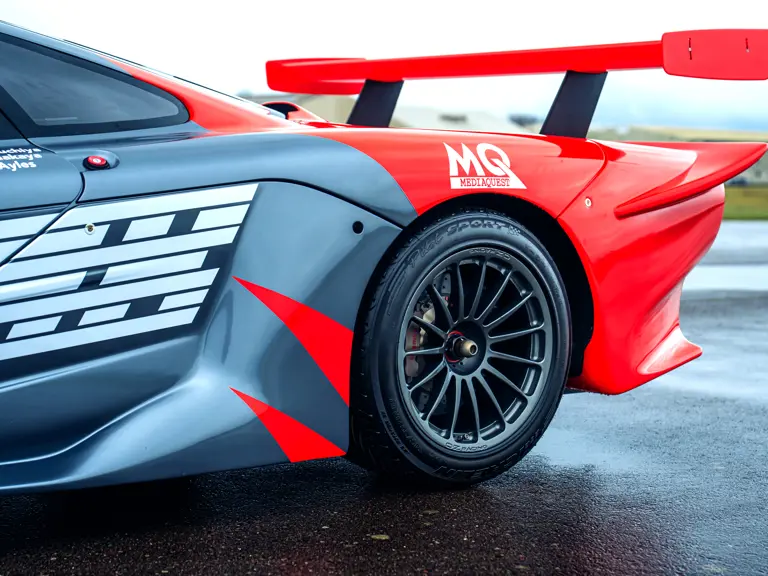
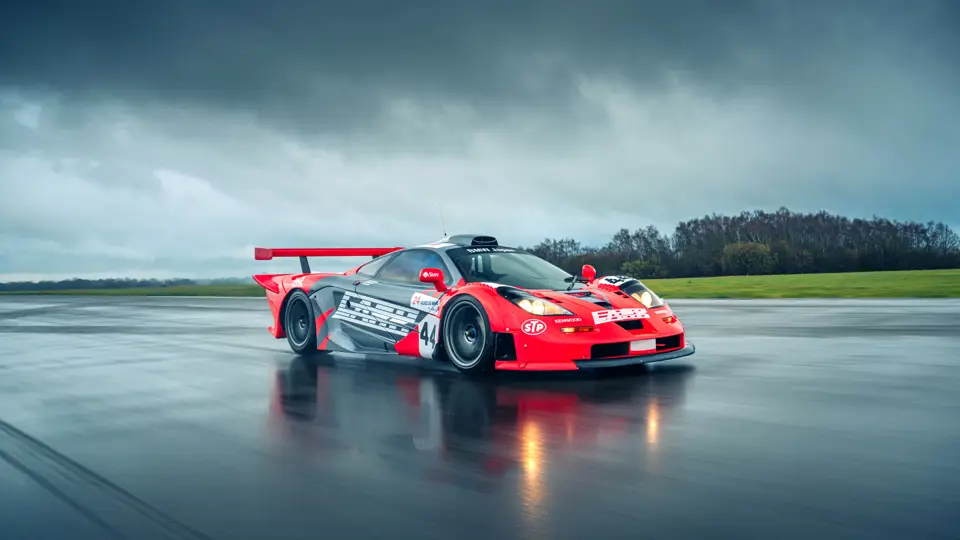
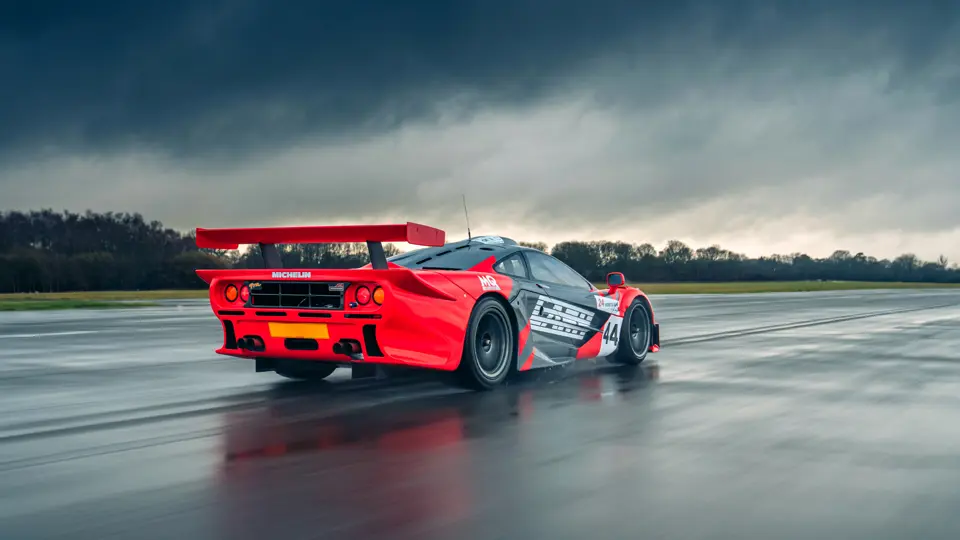
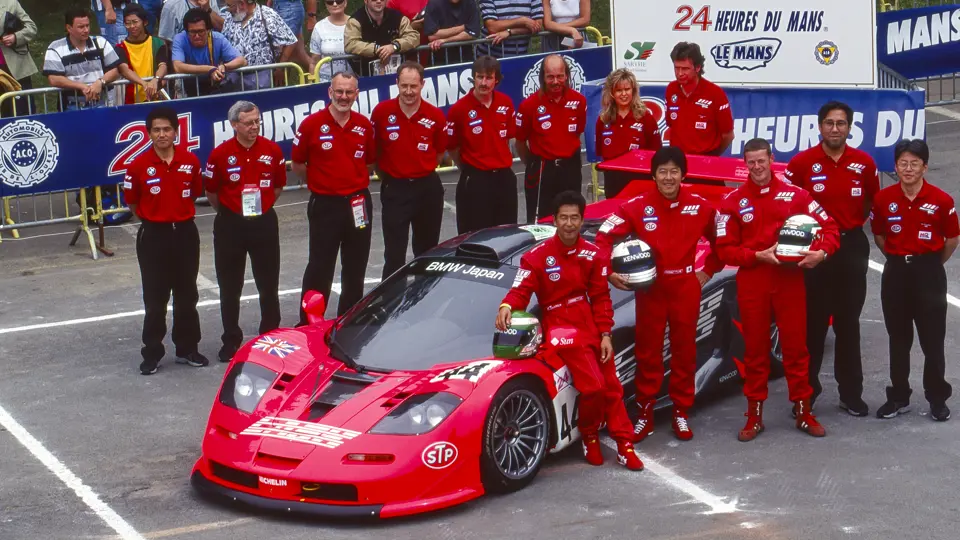
In early May, 27R would find itself somewhat unexpectedly in that most historic of Endurance Racing settings: Le Mans. Although Parabolica did not gain an entry for the upcoming 24-Hour race themselves, a deal was brokered by McLaren whereby Japanese GT team “Team Lark” leased the car for both the pre-qualifying weekend and the race itself. Duly re-liveried in the distinctive Rocket Pink and Obsidian Grey colours of the team’s eponymous lead sponsor—a Philip Morris-owned tobacco brand—the car would be driven in pre-qualifying by Ayles, Akihiko Nakaya, Keiichi Tsuchiya, and Katsutomo Kaneishi. A bumper entry of 68 cars convened at La Sarthe, with 27R and its drivers finishing the day an encouraging 20th fastest.
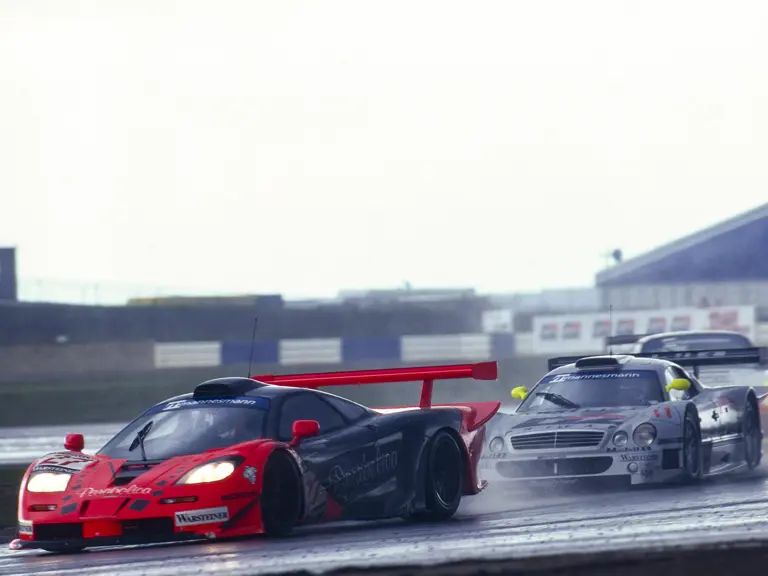
Just a week later, the car returned to Parabolica for its first foray into the ultra-competitive FIA GT Championship; specifically, the 4 Hours of Silverstone. A tight turnaround post-Le Mans necessitated that the car’s temporary pink-and-grey base colours were retained, although the Lark logos had been hastily removed and stylised “Parabolica” script added to its flanks instead. Qualifying saw the AMG-Mercedes CLK GTR of Schneider/Wurz set the pace, but Parabolica were delighted to have qualified seventh overall and within a second of the third- and fourth-placed Team BMW Motorsport-entered F1 GTRs of Kox/Ravaglia and Lehto/Soper respectively. Significantly, they had also outqualified two of the three Gulf Team Davidoff longtail GTRs, and all six Porsche 911 GT1s.
On race day, wildly fluctuating weather conditions enabled 27R to assume an unlikely starring role. Remarkably, Ayles took the lead in the latter stages—in so doing becoming the only privateer GTR longtail ever to lead an FIA GT Championship race—although a poorly timed red flag just after the car’s final pitstop relegated Parabolica to an entirely unrepresentative sixth place in the final classification. Nevertheless, the team took heart from finishing on the same lap as the victorious Kox/Ravaglia works car after almost three and a half hours of racing.
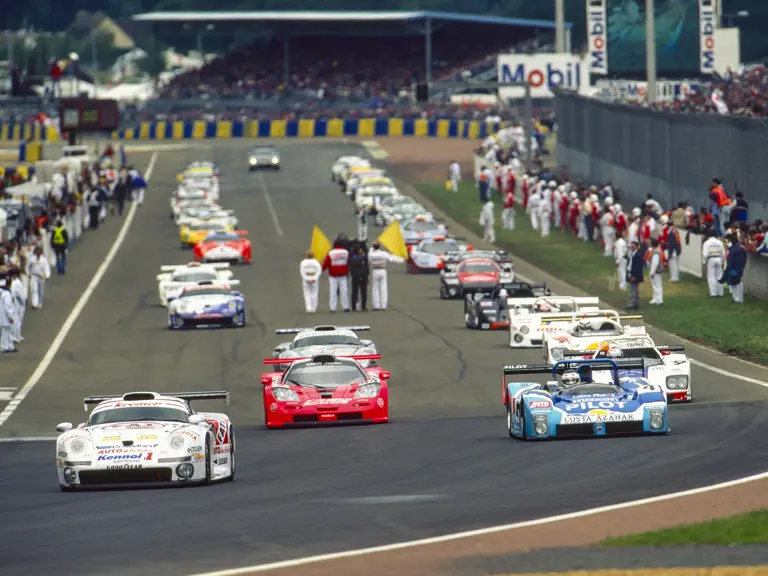
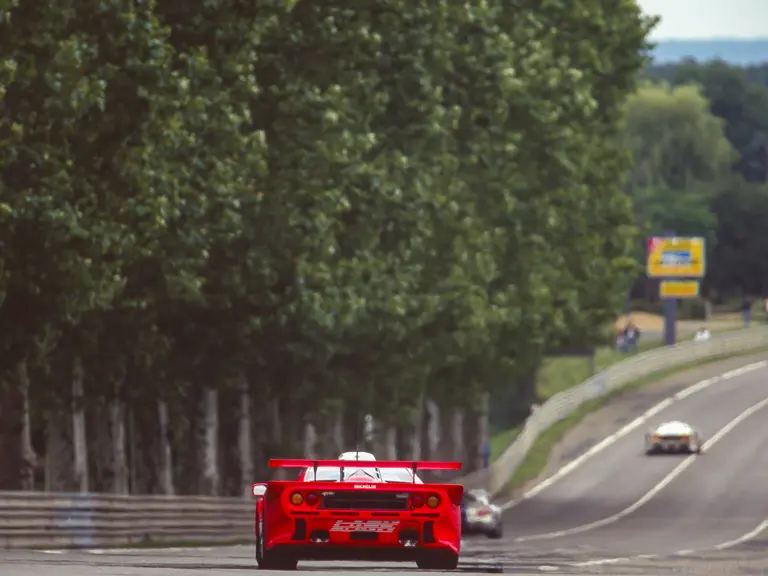
Following its Silverstone heroics, 27R was returned to its full Lark livery and was duly prepared for Le Mans under the watchful eye of legendary ex-Team Lotus, ex-Hesketh Team Manager Dave “Beaky” Sims. Upon the team’s arrival at the circuit, first qualifying highlighted a worrying lack of pace from Kaneishi-san, so the decision was taken to replace him for the race with Ayles. The Briton promptly repaid the team’s faith with a stellar qualifying lap to secure tenth fastest time; a mark which left the Briton as second fastest McLaren—bettered only by the BMW Motorsport car of Lehto/Soper/Piquet. The vagaries of Le Mans qualifying deemed that, bizarrely, Ayles’ time equated to 16th place on the grid, but nevertheless the team made their final race preparations in an optimistic mood.
Unsurprisingly, Ayles started the race and continued to circulate within the top dozen overall in the race’s early stages. However, as darkness fell Nakaya-san clipped a kerb on the inside of Tetre Rouge and the team decided to abandon the race from there on, its valiant Le Mans adventure at an end.
After its travails at Le Mans, 27R was promptly prepared and readied for the remainder of the FIA GT season. Duly returned to its original yellow and blue colours, Parabolica’s next outing would be the Nürburgring 4 Hours in late June. There, Ayles and Goodwin drove a measured race to finish a fine sixth once again; the AMG-Mercedes CLK GTRs of Schneider/Ludwig and Nannini/Tiemann having finished a lap ahead of the third-placed Lehto/Soper McLaren. The next round of the Championship at Spa-Francorchamps was a case of déjà vu for Parabolica, for Ayles and Goodwin finished the race in sixth position for the third FIA GT round in succession.
Regrettably, Parabolica’s fortunes experienced a distinct downturn in the second half of the season. At the A1-Ring in Austria, their race lasted just 13 laps before Ayles was eliminated in an innocuous-looking accident with Mike Hezemans’ Lotus Elise GT1. Matters scarcely improved at the next round in Suzuka where, despite the addition of former McLaren Formula 1 driver and recent Le Mans winner Stefan Johansson to their driver lineup, 27R retired from the 1,000-kilometre race with electrical gremlins after barely one-third distance. Parabolica continued to struggle for pace at Donington and Mugello, with both races yielding only lowly 13th-placed finishes. The FIA GT season concluded with back-to-back races at Sebring and Laguna Seca in late October, although Parabolica skipped the former. Cruelly, the Californian track denied Parabolica one last hurrah in the international arena; 27R retiring after 82 laps.
At the season’s conclusion, it was Schneider who emerged as the winner of the inaugural FIA GT Championship; his run of five wins in the final six races enabling him to leapfrog the McLaren-mounted duo of Lehto and Soper. In the teams’ Championship, AMG-Mercedes took a commanding win ahead of BMW Motorsport, while Parabolica took a hard-fought seventh place ahead of established GT teams BMS Scuderia Italia and Schübel Rennsport.
AN ACCOUNTANT AND HIS F1 GTR – THE 1999 SEASON
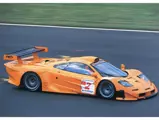
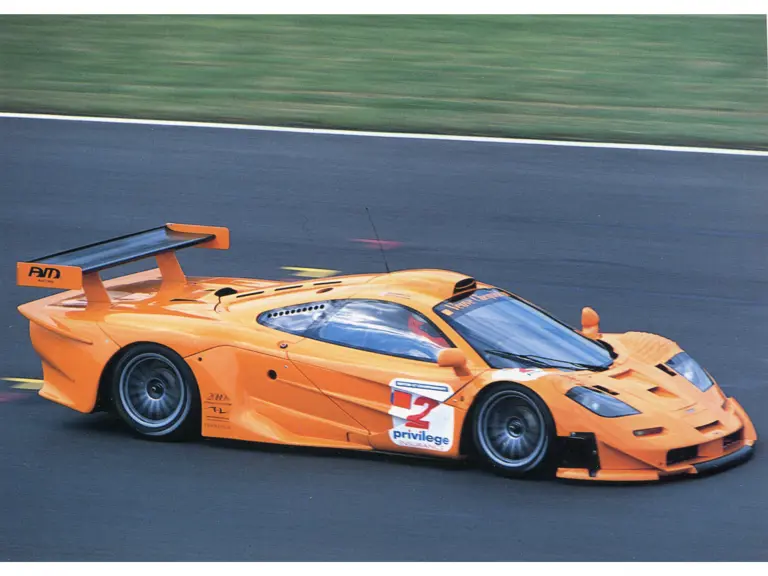
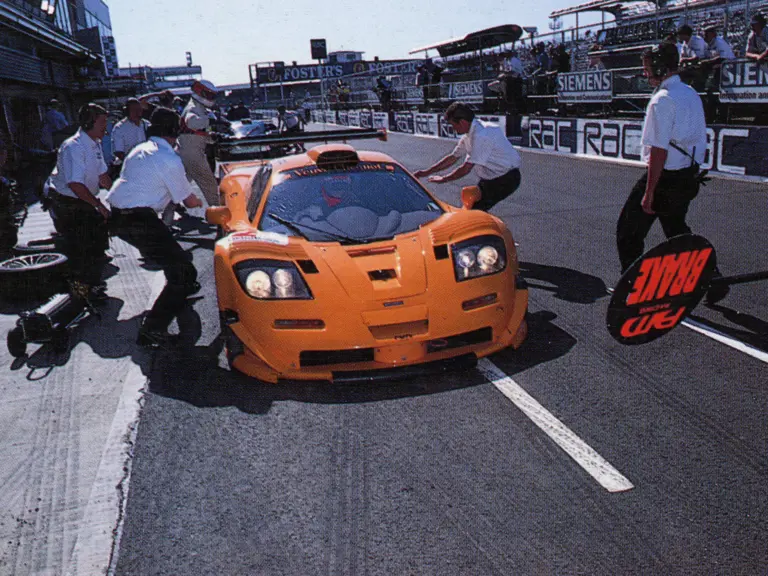
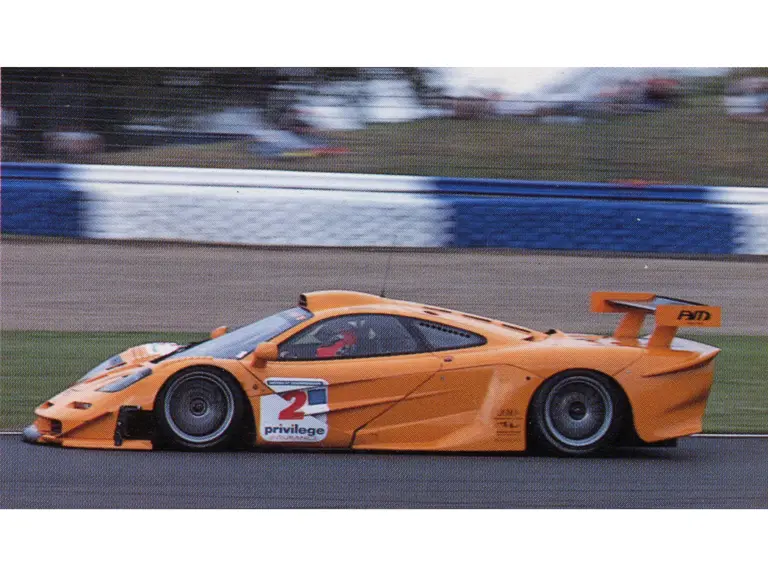
Although Parabolica submitted entries for the first two rounds of the 1998 FIA GT Championship—as well as for Le Mans pre-qualifying and the 24 Hours itself—these did not materialise, with Morrison eventually offering 27R for sale later that year. In a deal reputedly brokered by McLaren themselves, the car was acquired in late 1998 by James Munroe of Wokingham, Berkshire, whose nascent collection already included an F1 road car. Despite only minimal competition experience, Munroe intended to compete in the 1999 British GT Championship in conjunction with historic race team AM Racing; the news being announced at a lavish launch party in London. Star guests in attendance included singer Paul Young, American supermodel Caprice—and a by now Papaya Orange 27R.
Fittingly, Chris Goodwin was recruited as AM’s professional driver. While predictably several seconds a lap slower than his far more experienced teammate, Munroe at least managed to avoid incident in races; the pair completing the first five rounds of the Championship, with best results of third at Oulton Park and second at Snetterton.
However, thereafter, matters began to unravel for Munroe. When quizzed as to the source of his wealth, he had claimed that he had sold his multimedia company to educational publishers McGraw-Hill for £50 million, and was intent on enjoying the proceeds. In fact Munroe—real name James Cox—worked for McGraw-Hill as head of its Accounts department, and over a four-year period had embezzled no less than £2,885,722 from the company via a network of ghost companies and a series of self-approved bogus invoices. If ever there was a case of a “Walter Mitty” lifestyle, this was it: Respectable and entirely unremarkable accountant during the week; self-styled millionaire playboy—and downright fantasist—at weekends. These are the lengths someone will go to own McLaren F1 GTR - 027R
Following an internal McGraw-Hill investigation, which had been prompted by a senior executive recognising Munroe during televised British GT coverage, and further enquiries by Thames Valley Police, he was arrested and his assets frozen. The team disappeared from the British GT grid from mid-season onwards, with Munroe subsequently pleading guilty to all charges. In September 2000 he was sentenced to five years imprisonment, thereby ending a colourful chapter in 27R’s history.
POST-COMPETITION HISTORY
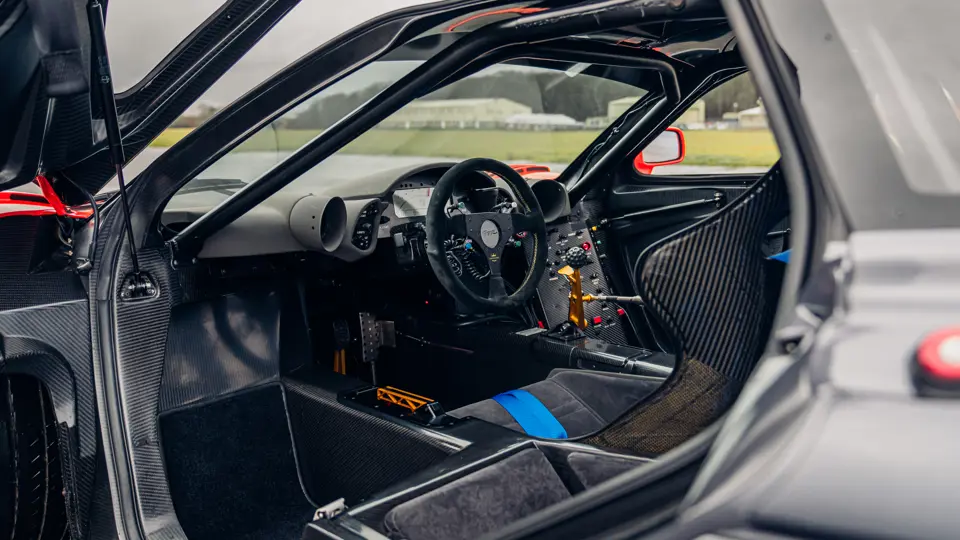
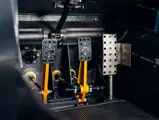
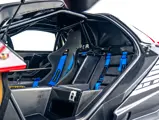
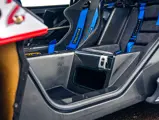
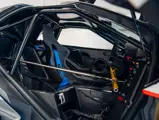
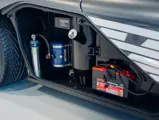
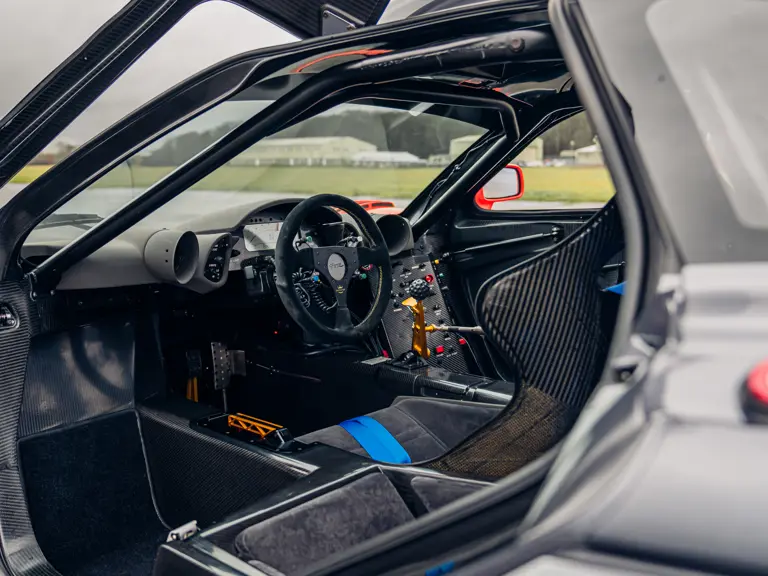
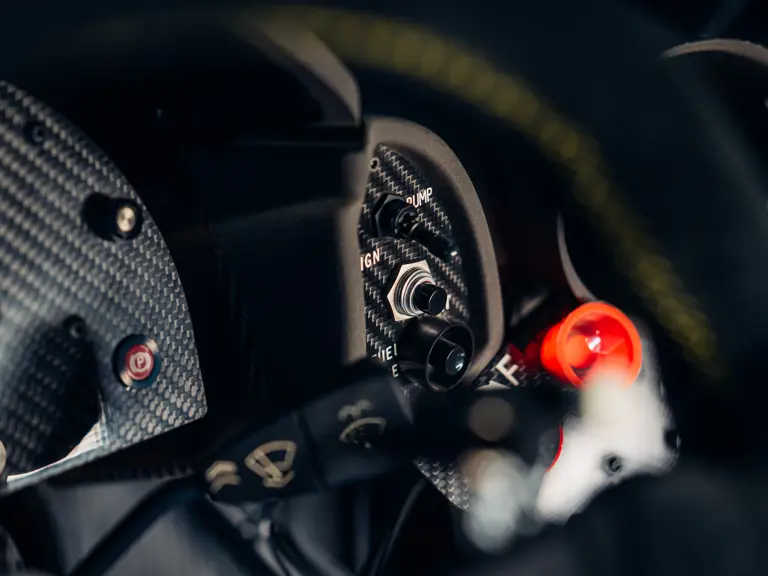
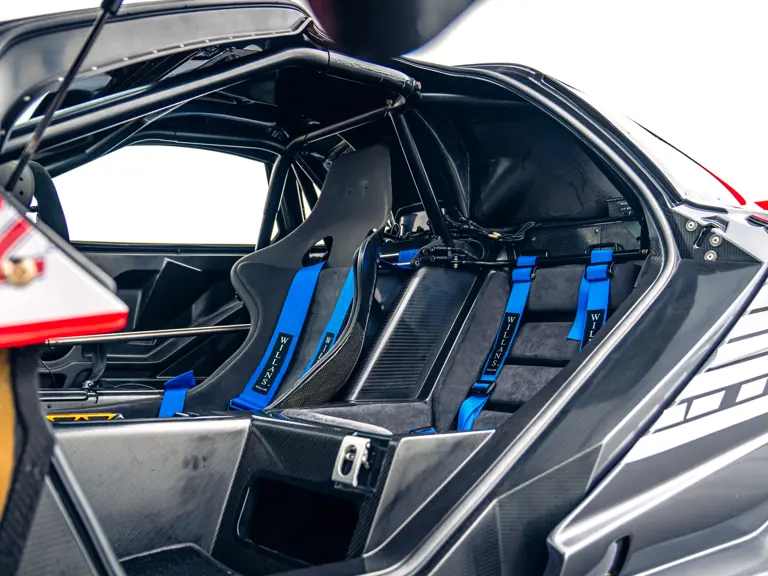
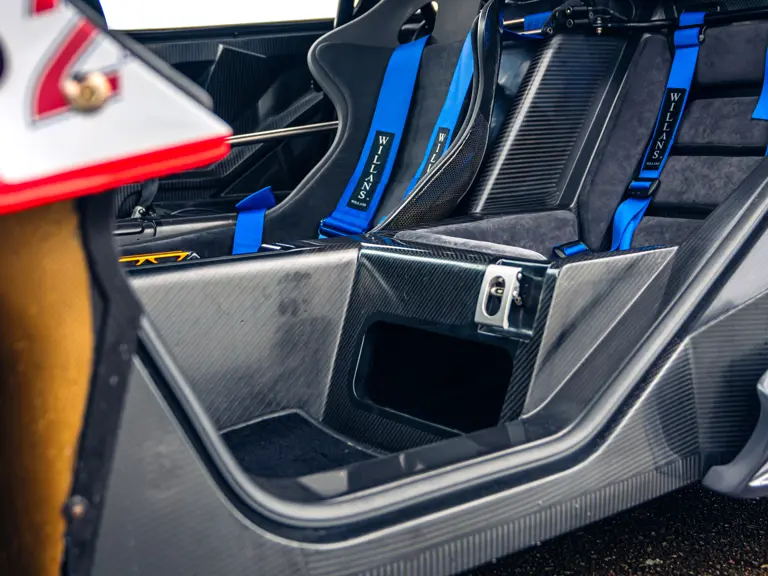
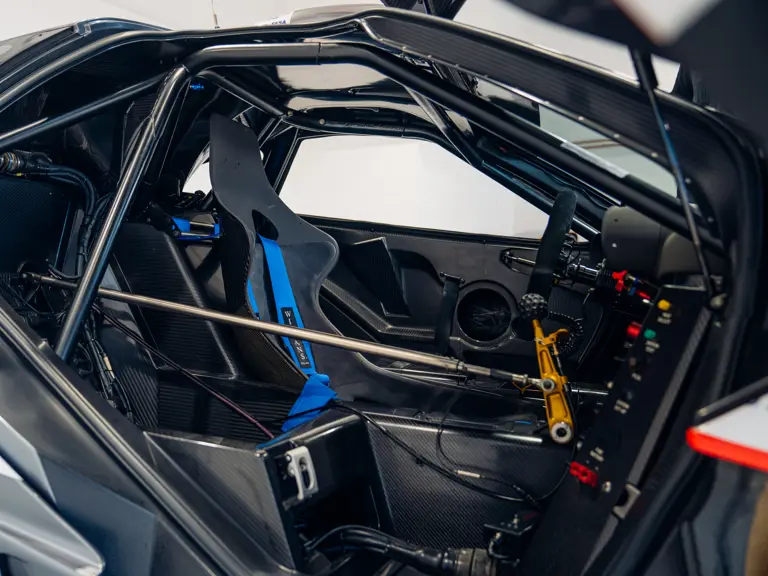
Subsequently sold at auction in 2000 at the behest of Munroe’s creditors, 27R was acquired by Paul Osborn’s Cars International Limited, in whose care it was displayed at the 2005 Goodwood Festival of Speed. In 2009, Osborn sold the car to Nottinghamshire-based, sometime Ferrari racer Jeff Leadley, who promptly entrusted it to F1 specialists—and 1995 24 Hours of Le Mans winning team—Lanzante Limited for a full rebuild, at a cost of some £110,000. The remit of the rebuild included reinstating the yellow-and-blue Parabolica livery, converting the car to full road specification, and obtaining UK registration. Upon completion 27R was demonstrated by Dean Lanzante at the 2011 Goodwood Festival of Speed.
In 2017, 27R was acquired by Limerick-based financier and car collector Gerry McManus, younger brother of Irish racehorse magnate and erstwhile Manchester United co-owner J.P. McManus. As an existing owner of a road specification F1—something of a recurring theme throughout 27R’s ownership history—27R yet again found itself in appropriately elevated company. However, evidently McManus kept the car only briefly, and it was sold to the consigning owner in 2018.
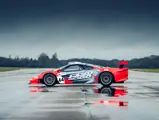
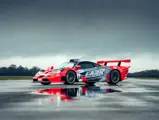
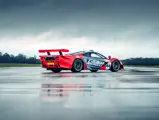
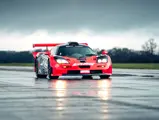
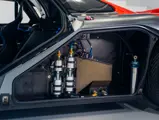
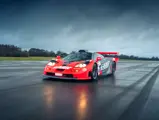
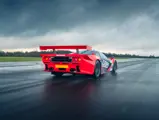
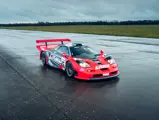
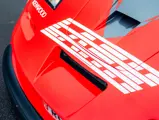
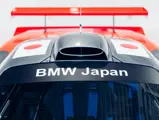
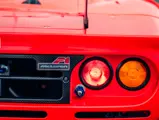
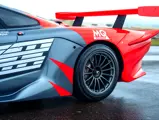
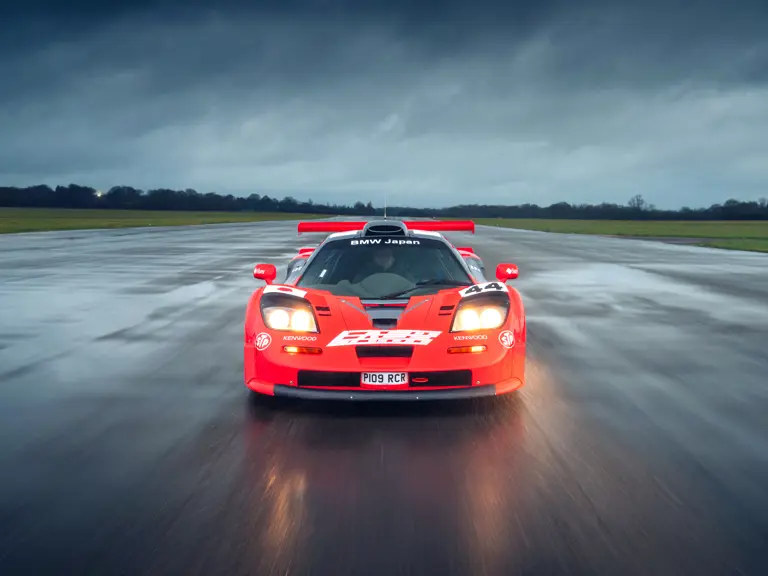
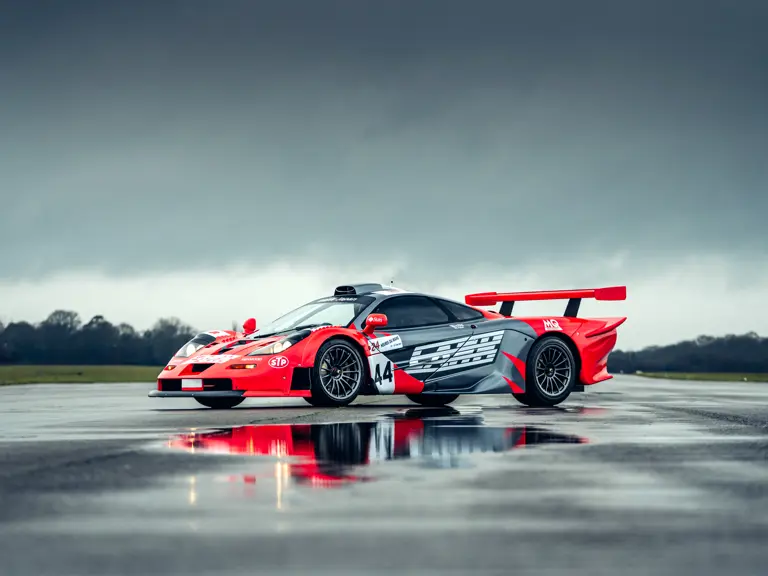
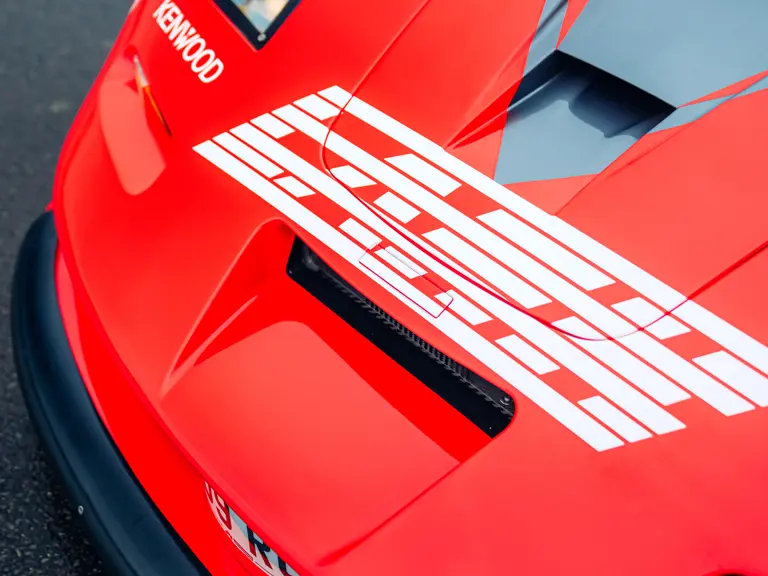
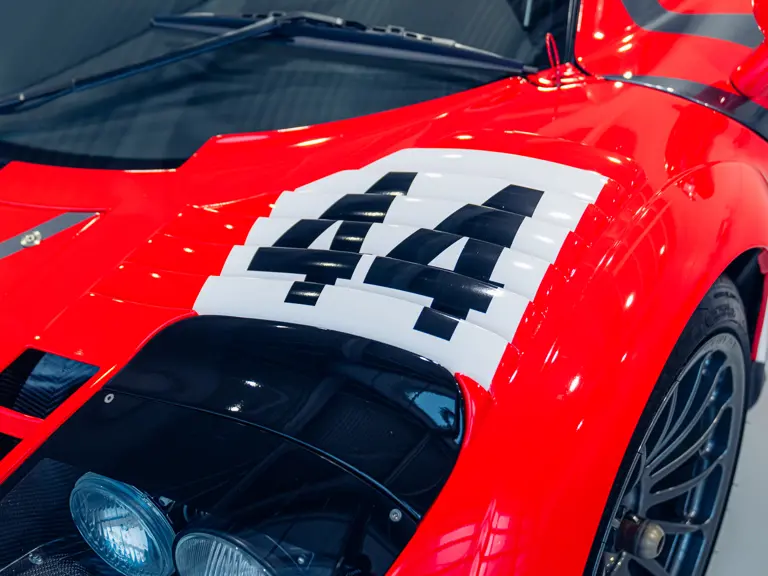
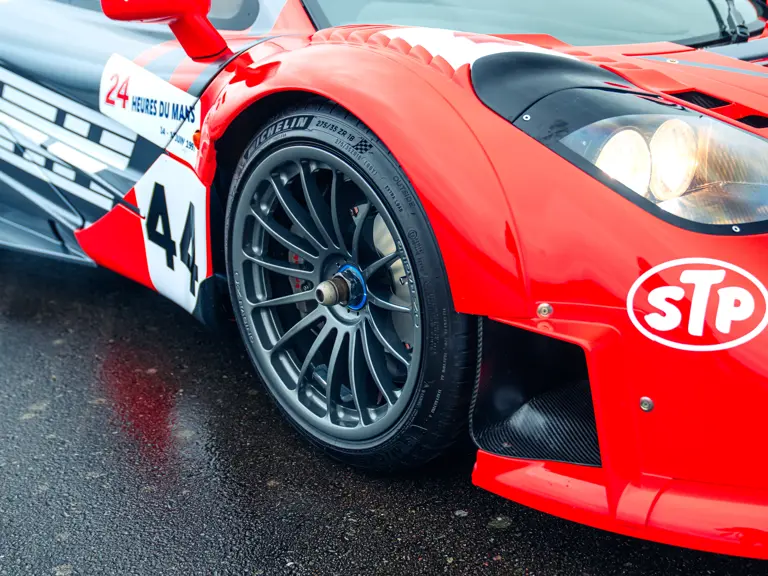
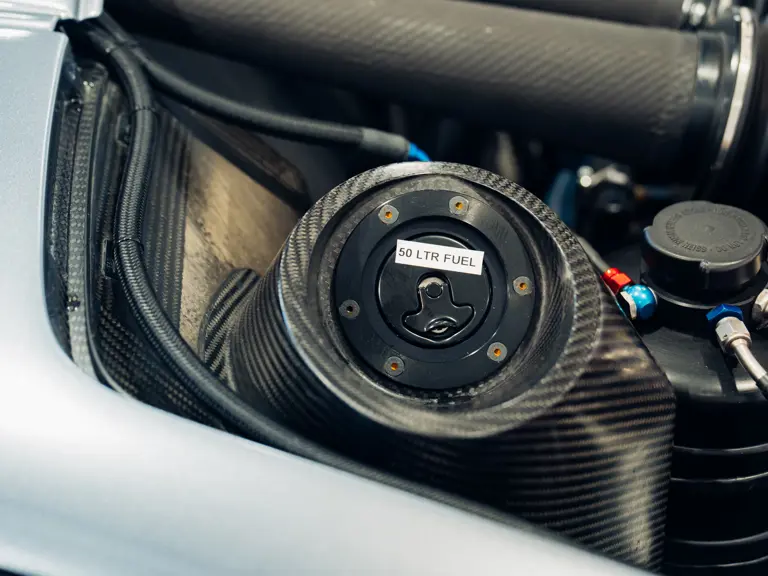
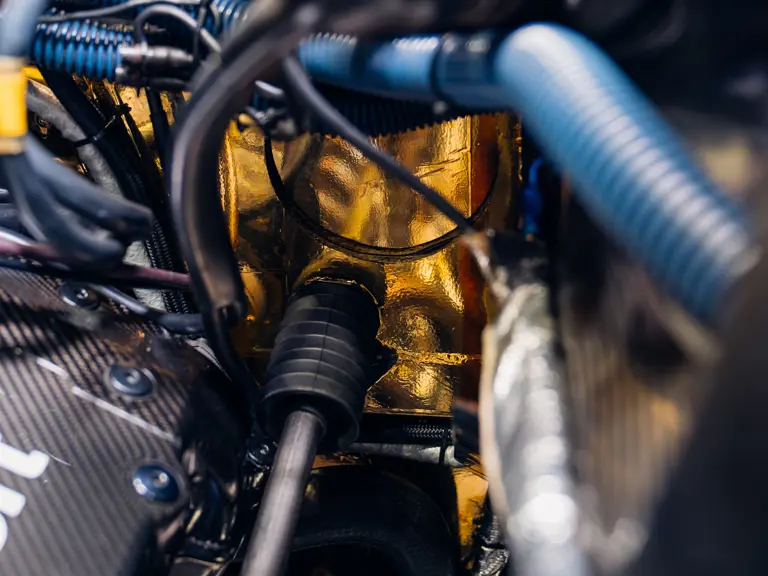
Throughout its current ownership, 27R has participated in some of the world’s most prestigious motoring events, including the 2022 Hampton Court Concours of Elegance and the 2023 Pebble Beach Concours d’Elegance. The latter encompassed the fabled Pebble Beach Tour d’Elegance, and one can only imagine the sound of the car’s wailing BMW V-12 engine as it sped along Highway One from Carmel to Big Sur. An appearance at the 2024 Goodwood Festival of Speed represented another highlight, as it saw Gary Ayles—appropriately, after a hiatus of 27 years—once again given the opportunity to exercise 27R up the hill in suitably enthusiastic fashion. As recently as February 2025, 27R benefitted from a comprehensive service by Lanzante Limited at a cost of some £53,000, which included the renewal of its fuel tank and ancillary fuel system components, engine bay heat shield material, fire suppression system, and the fitment of a new starter motor. Most recently, the car has been wrapped to match its striking LARK livery of Rocket Pink and Obsidian Grey as it appeared in the 1997 24 Hours of Le Mans. Entirely reversible, the car’s Parabolica yellow and blue paintwork remains underneath.
Across the F1 GTR’s three-year production cycle, just 28 examples were constructed, rendering subsequent sales opportunities and consequent admission to that most exclusive of car clubs, necessarily extremely rare and highly coveted. Significantly, of those 28, only three chassis—02R, 12R, and 27R—claimed debut race wins for their particular GTR “evolution”. This, in conjunction with the car’s heroic efforts both at Le Mans and in the 1997 FIA GT Championship, defines 27R as one of the most historically significant McLaren F1 GTRs ever to be offered for sale.
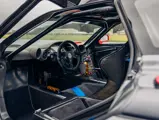
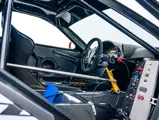
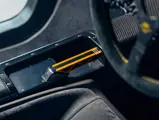
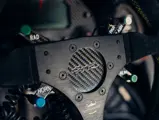
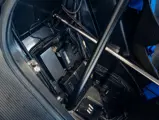
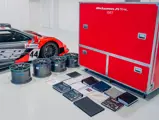
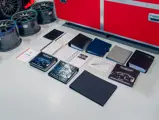
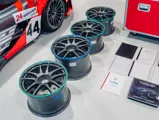
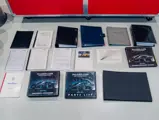
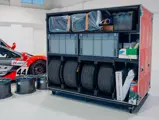
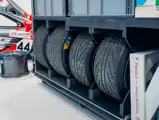
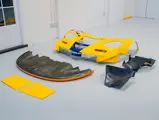
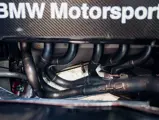
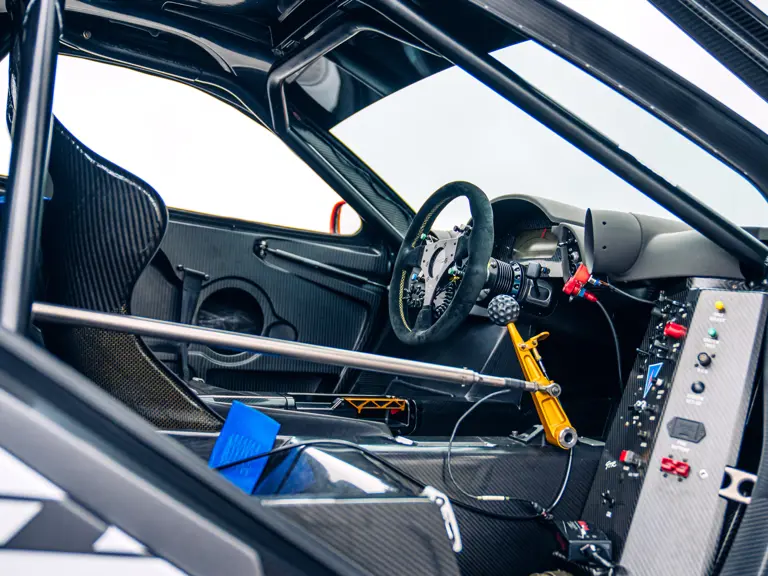
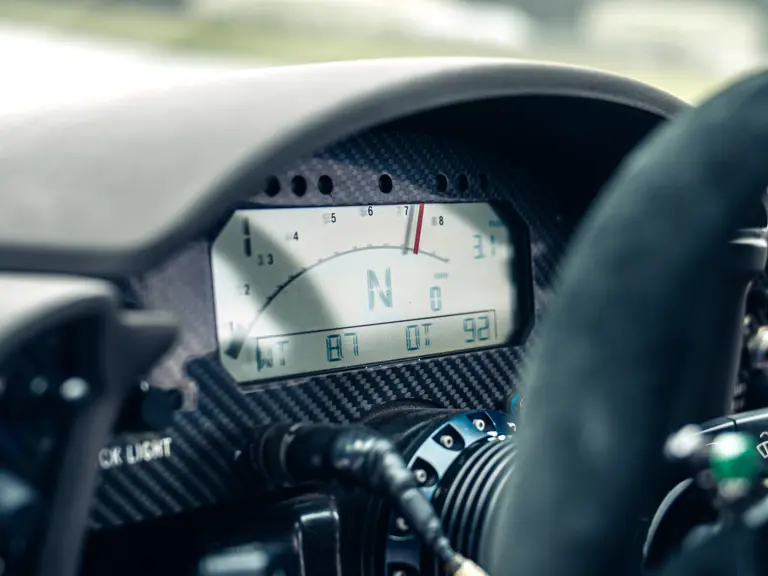
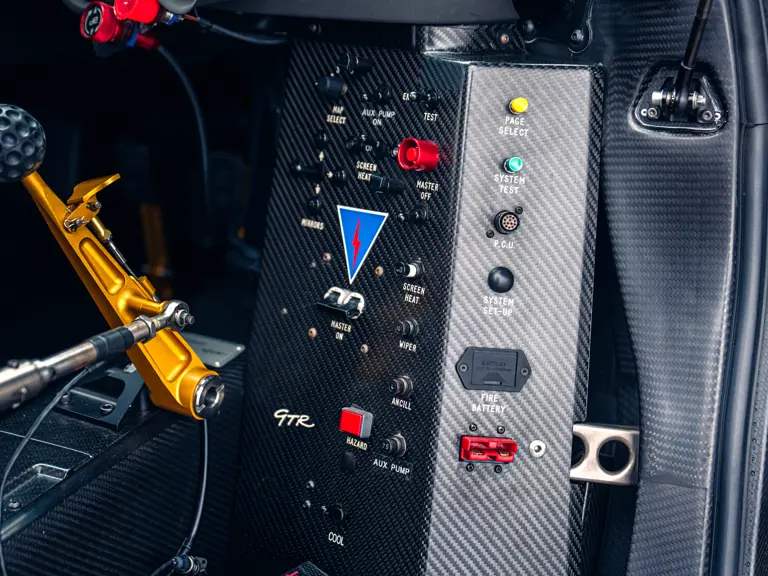
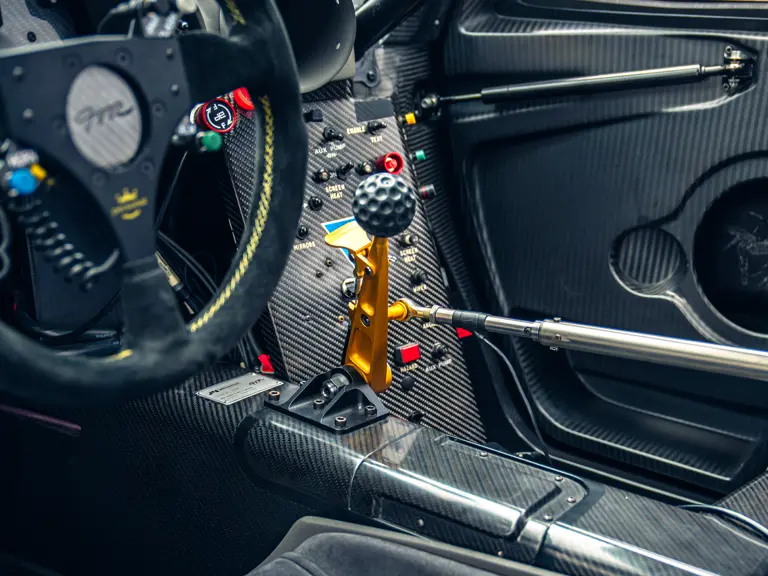
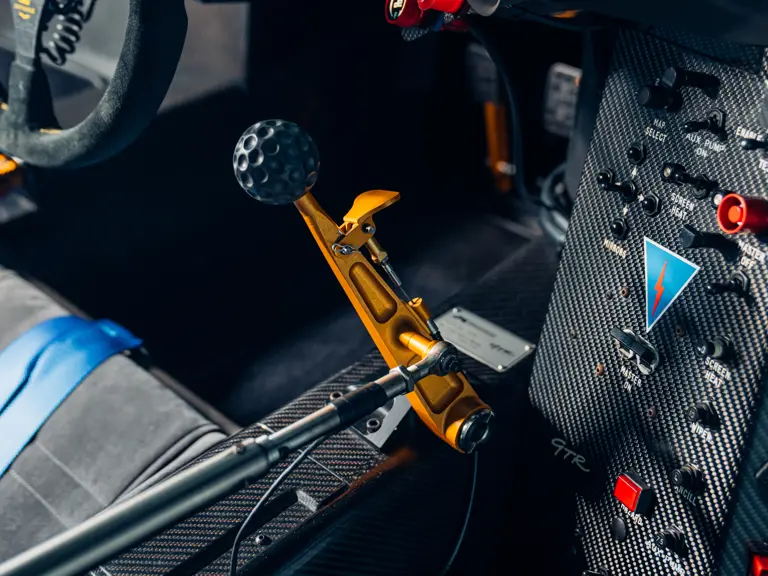
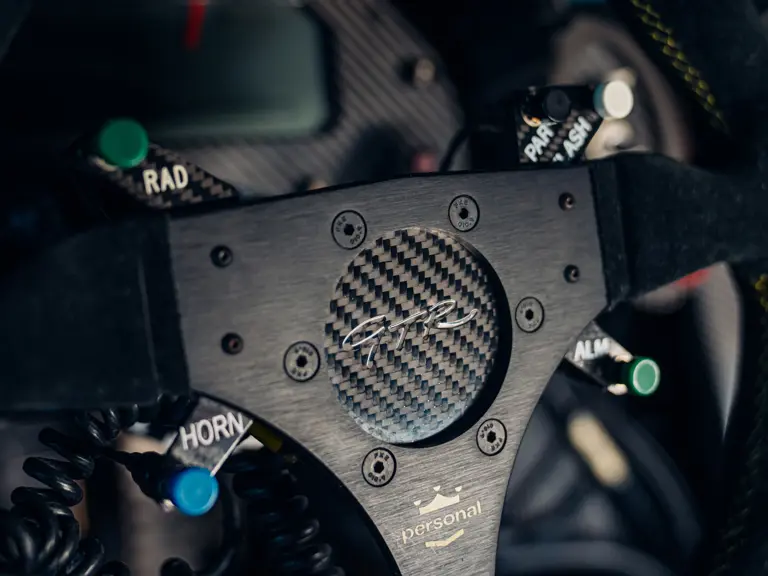
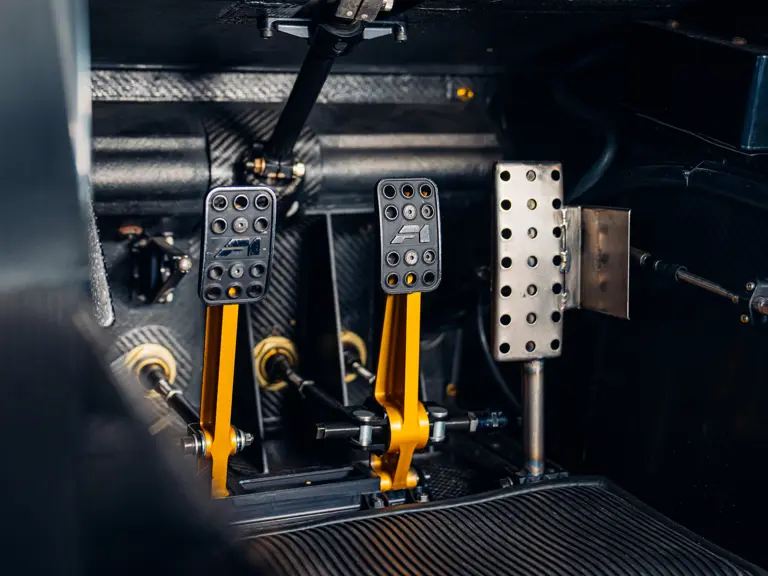
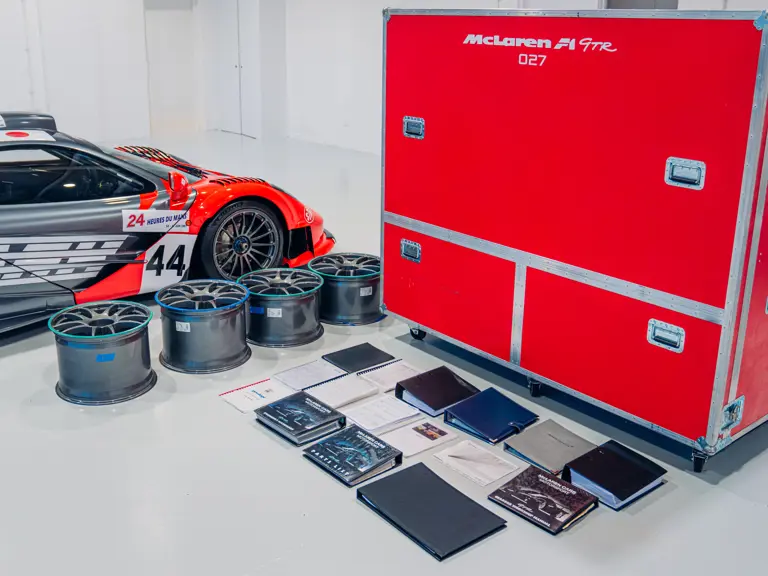
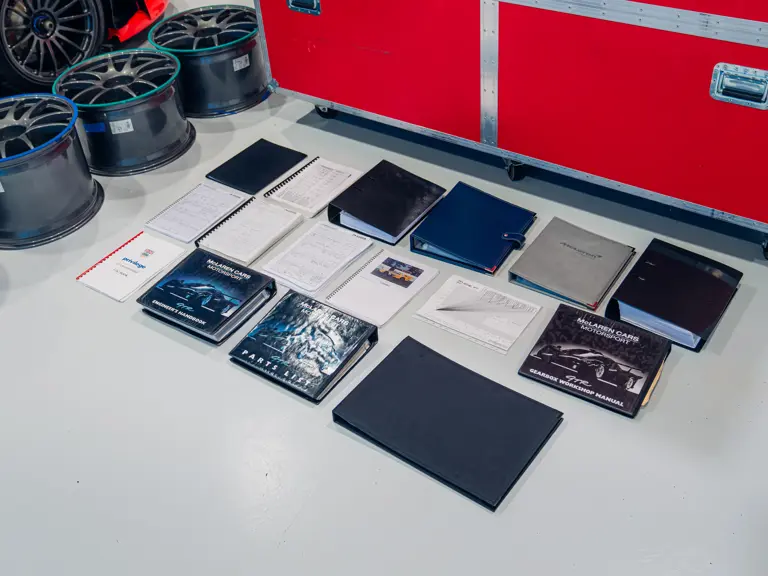
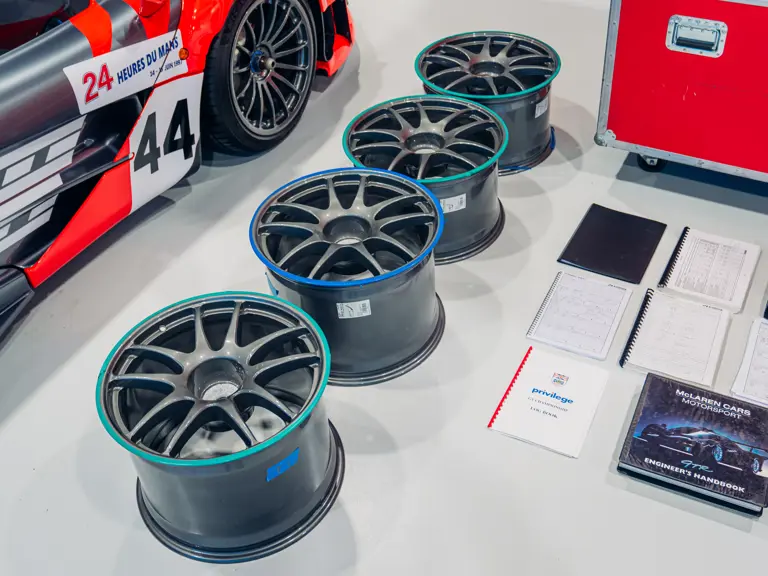
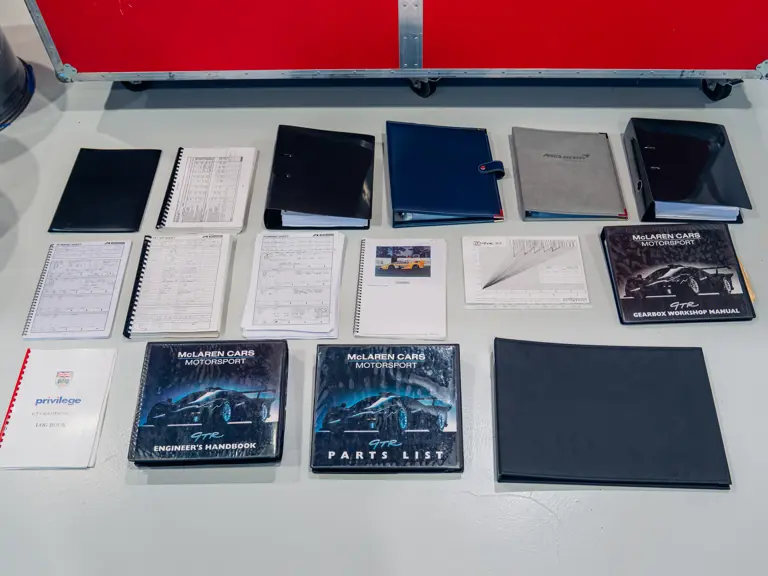
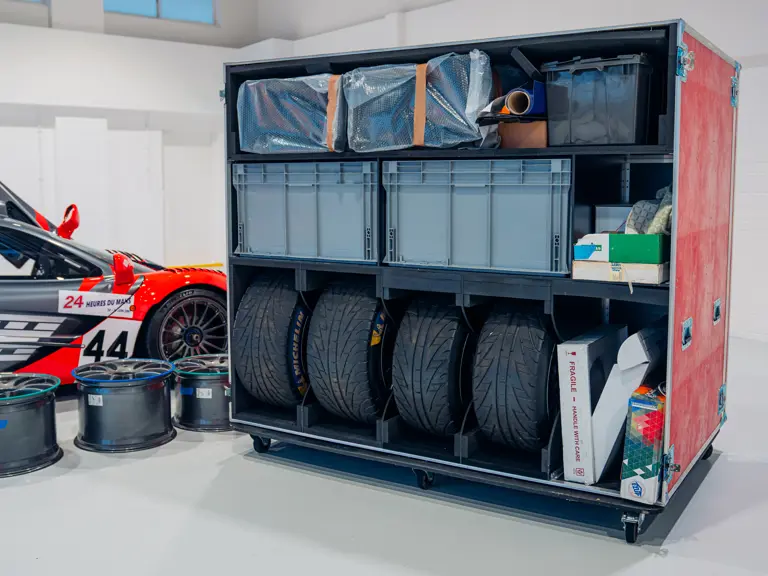
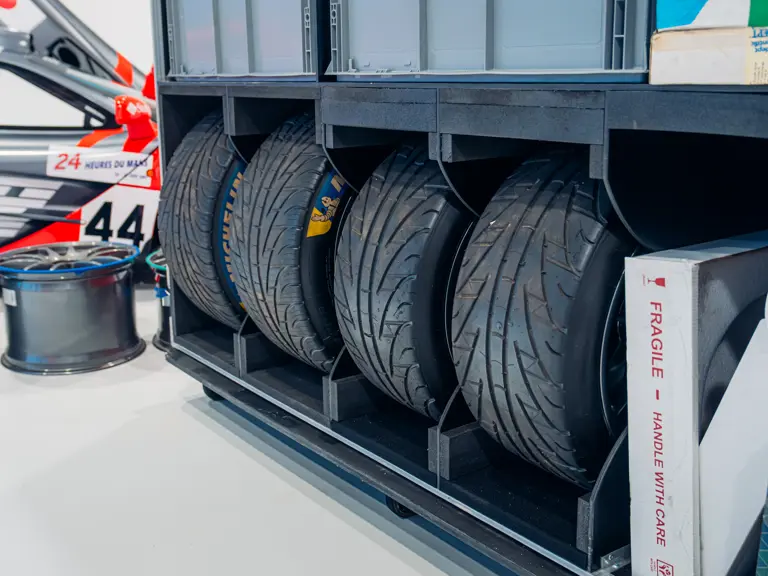
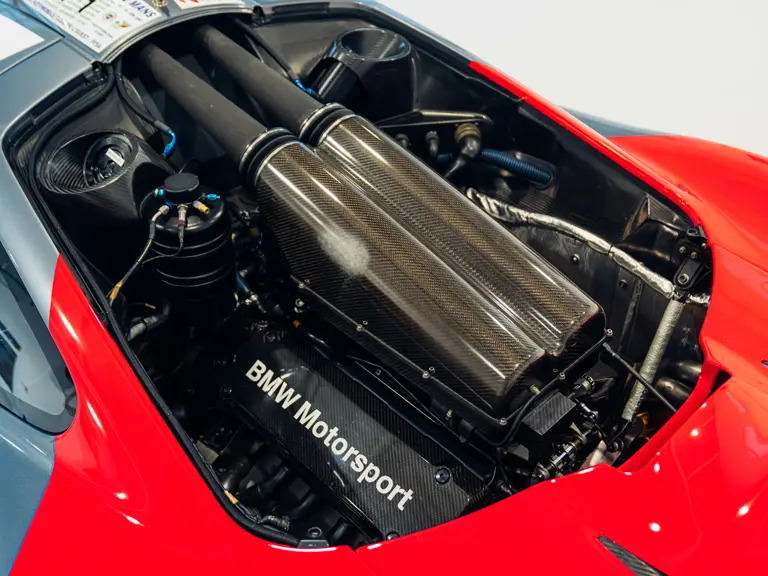
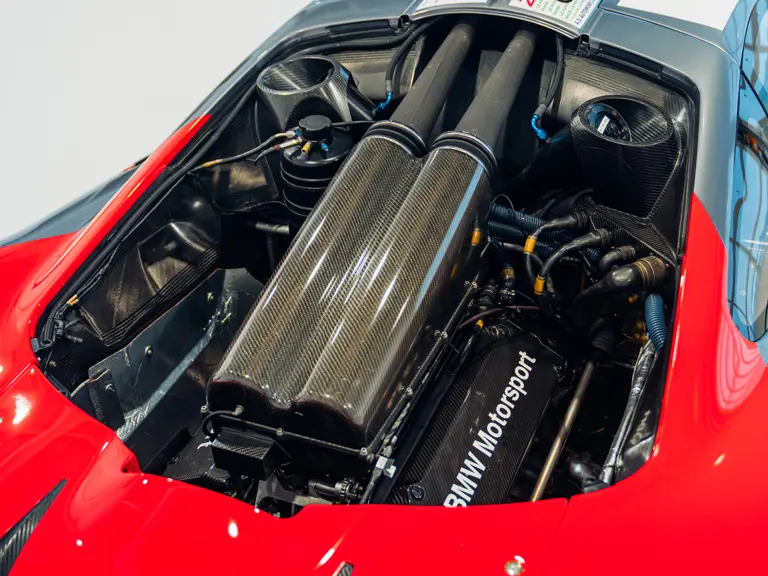
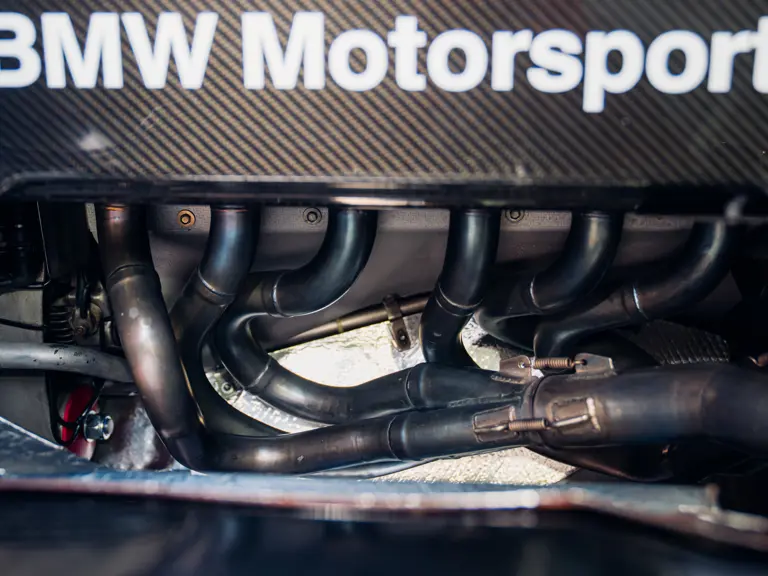
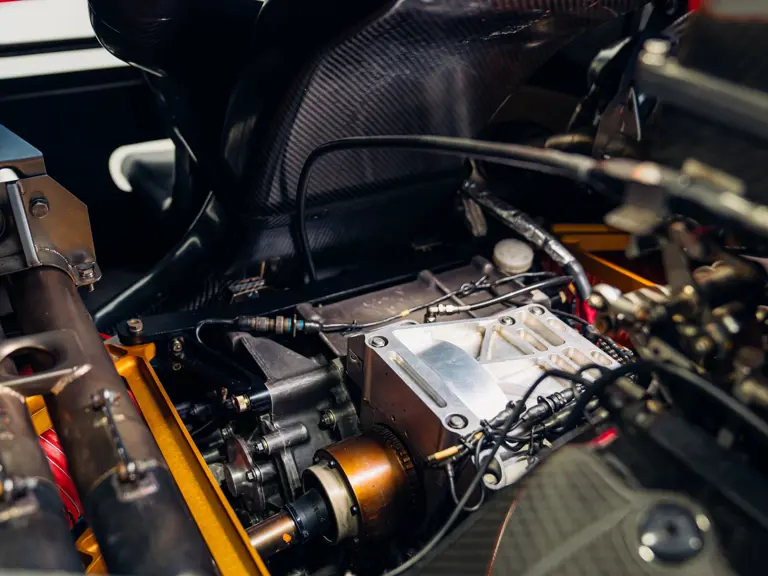
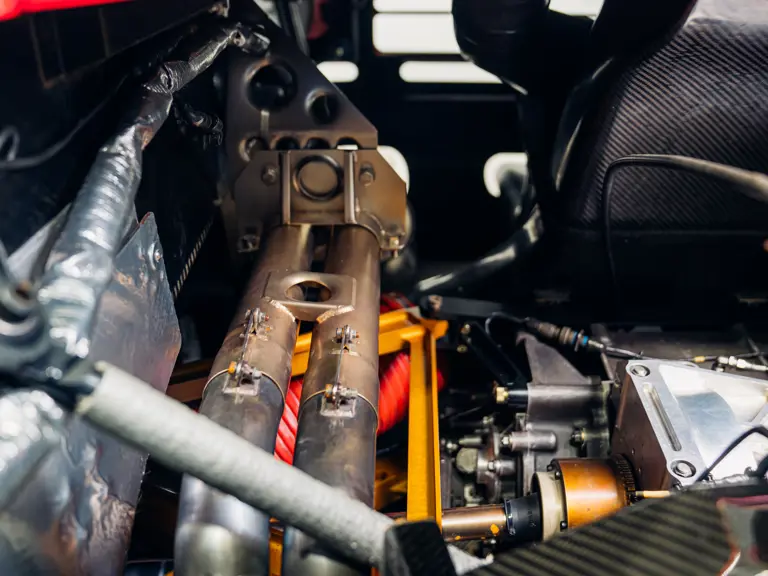
In retaining its original Type-S70/3 BMW engine, 27R is highly unusual amongst GTRs—and indeed competition cars in general—while its exacting restoration and sympathetic road conversion by Lanzante Limited have commendably focused on technical accuracy and enhanced everyday practicality. Supported as it is by an extensive spares package, history file, and a wealth of contemporary setup data, 27R is fully UK road registered and UK taxes paid so is equally ready for a spectacular and immediate return to either road or track, and would undoubtedly be afforded star billing in whichever arena it appears in the future.
 | Oxford, United Kingdom