
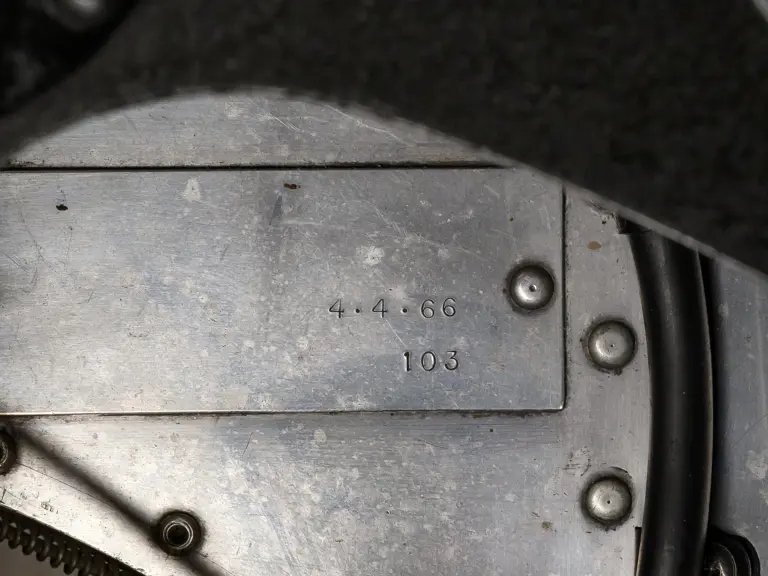
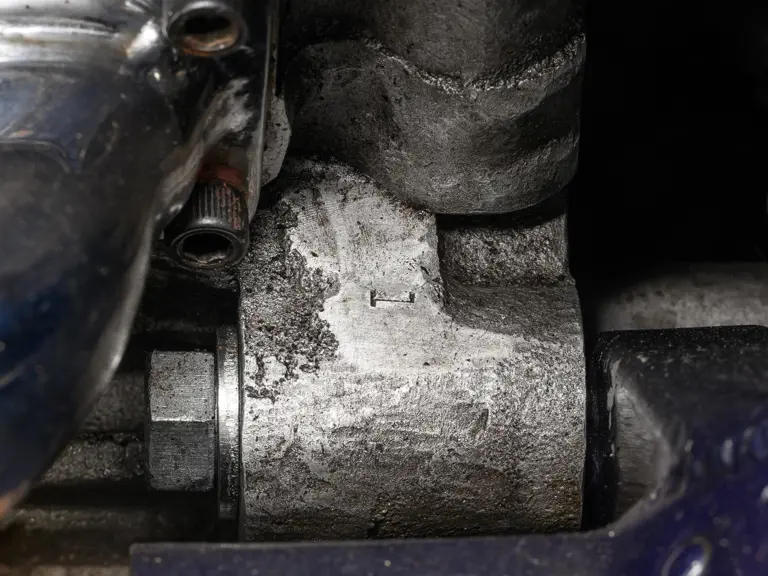
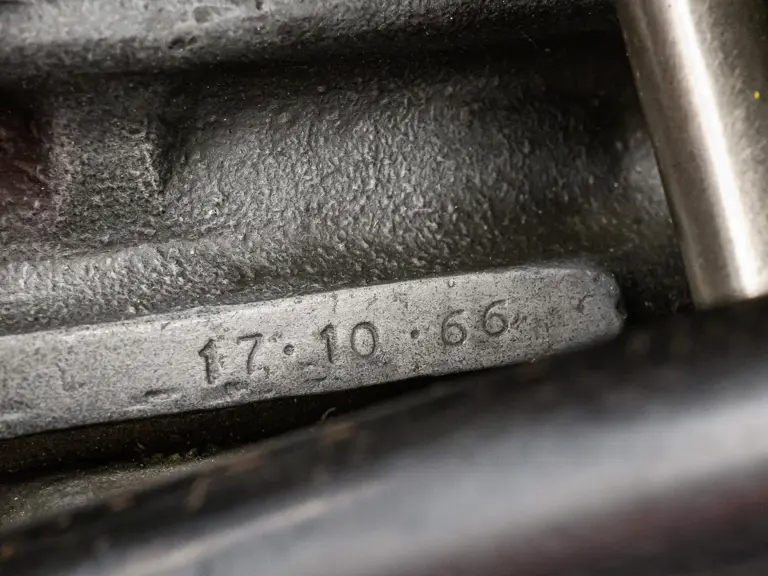
Chassis No.
103
{{lr.item.text}}
{{bidding.lot.reserveStatusFormatted}}
DAN GURNEY AND THE ALL-AMERICAN RACERS
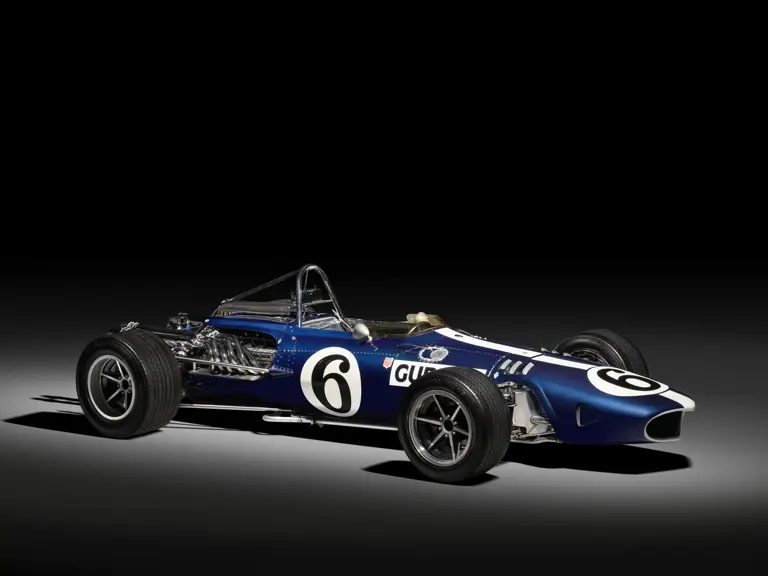
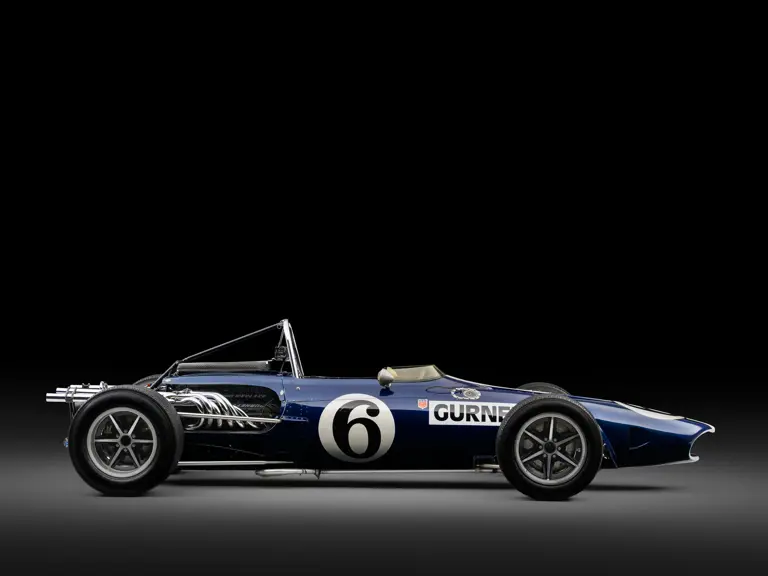
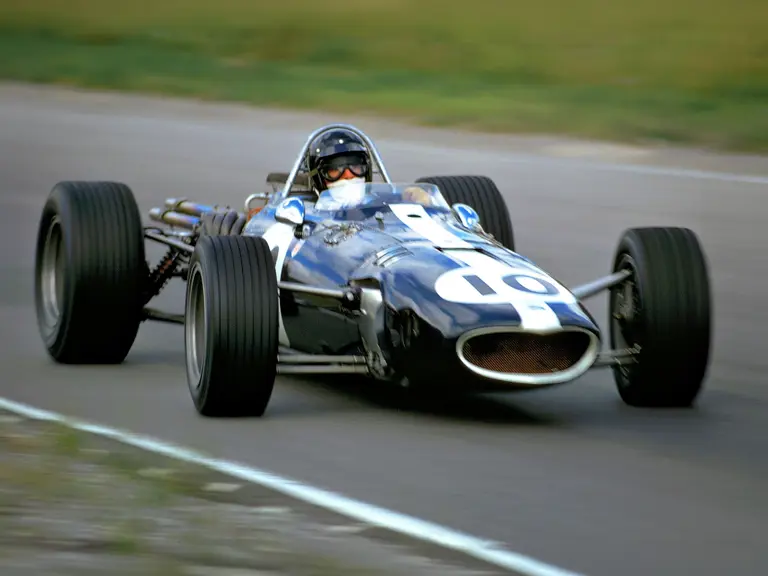
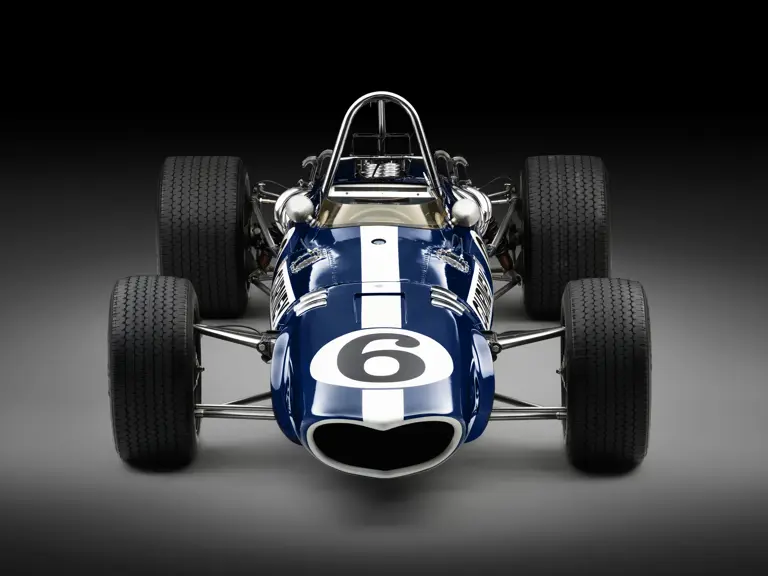
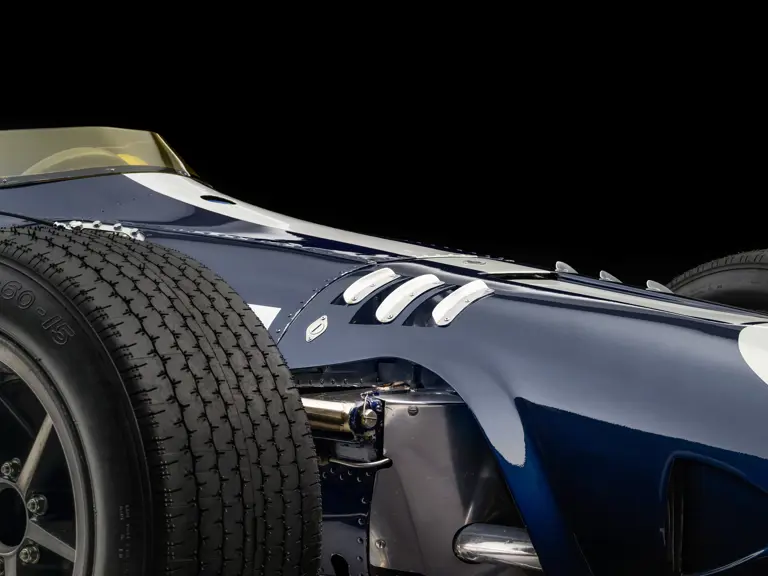
Over the past century or more of Grand Prix motor racing, a handful of cars have emerged which might be termed “game changers”, their place in motoring folklore forever assured by the technical innovation which they showcased, and the sporting success which they achieved. Cases in point include the Bugatti Type 35, Cooper T51, Lotus 25 and the Lotus 78. However, a related and arguably even more fascinating grouping are those cars which failed to quite live up to their original promise, yet which still, even decades on, cause the pulse to quicken. Several designs from Formula 1’s serial underachievers, BRM, might conceivably fall into this category, but in terms of its engineering, aesthetic appeal, fleeting competition success and tantalising sense of “what might have been” there is surely one car which surpasses all others in this respect: the All-American Racers Eagle Mk I.
The genesis of All-American Racers goes back as far as 1964, and to lengthy discussions between Carroll Shelby and Dan Gurney. Both were old friends and former racing adversaries, and Gurney had proved instrumental in Shelby American Inc.’s success with their Cobra Daytona Coupe project. Goodyear had been a primary backer of the programme, and Shelby himself learned that the corporation were keen to expand their existing involvement in motor racing. Specifically, this centred around challenging Firestone’s unbroken run of victories at the Indianapolis 500, which at the time, incredibly, stretched back as far as 1920.
Formal introductions were made by Shelby, with a view to Gurney establishing a Goodyear-funded race shop in Santa Ana, California. Initially, AAR employed Lotus and Shrike cars to contest selected races of the 1965 USAC season, but by the autumn of that year work had commenced on a new “in house” Eagle design with which they intended to compete in USAC events the following year. Although not strictly part of the original Goodyear brief, Gurney – ever the road racer – also earmarked the design as the basis of a car with which to simultaneously contest the 1966 Formula 1 World Championship.
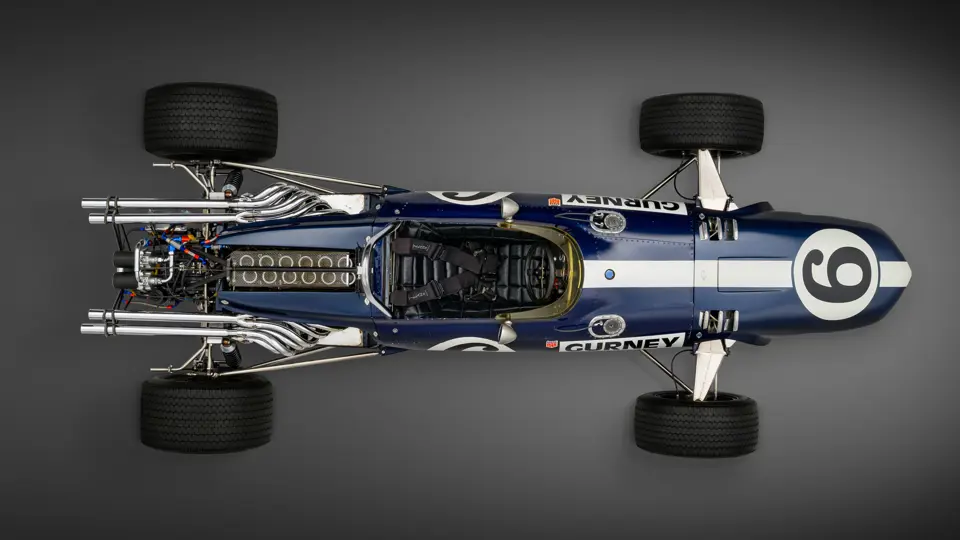
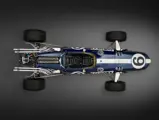
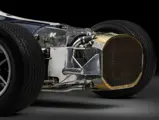
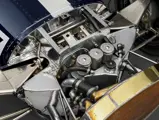
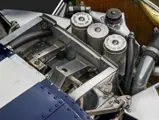
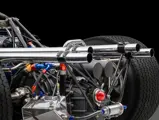
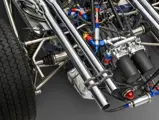
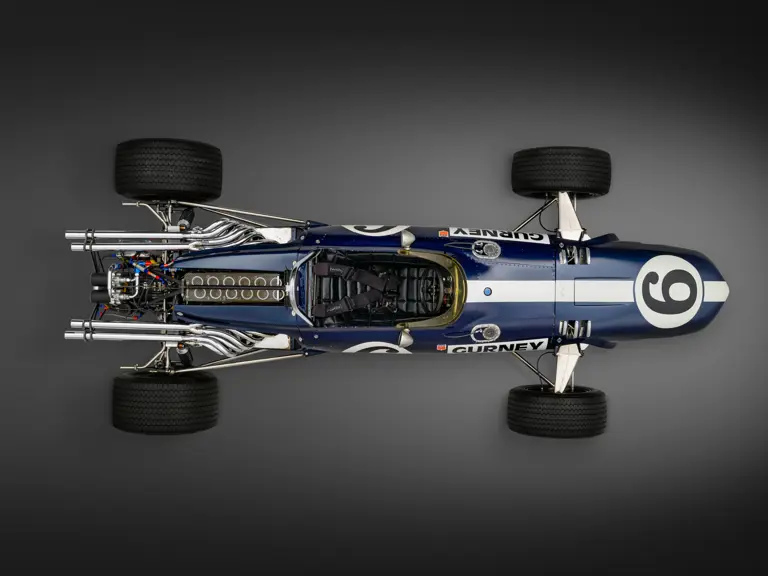
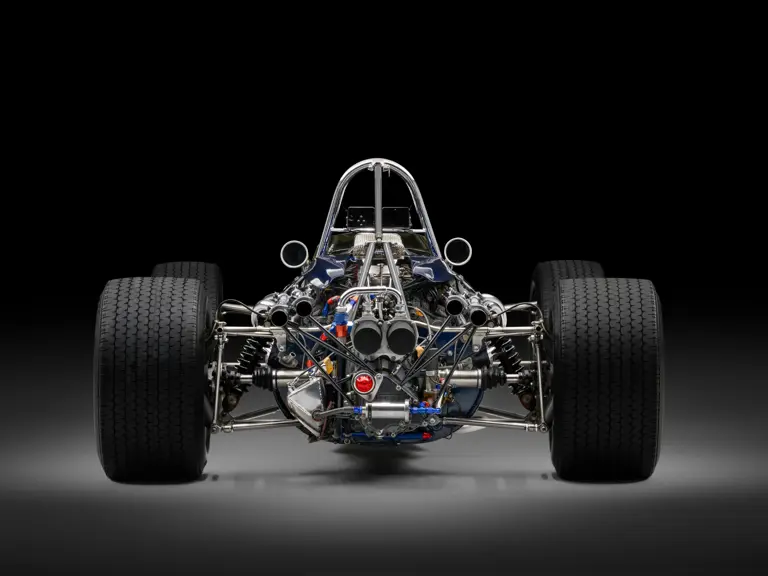
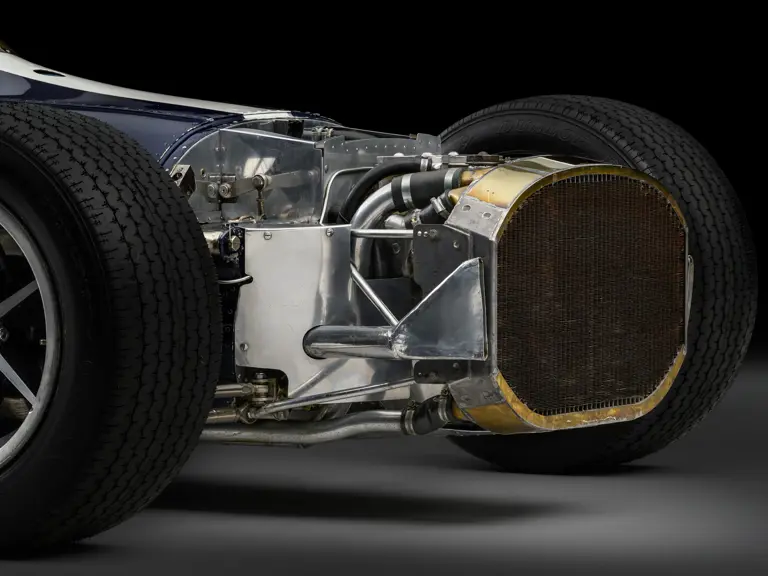
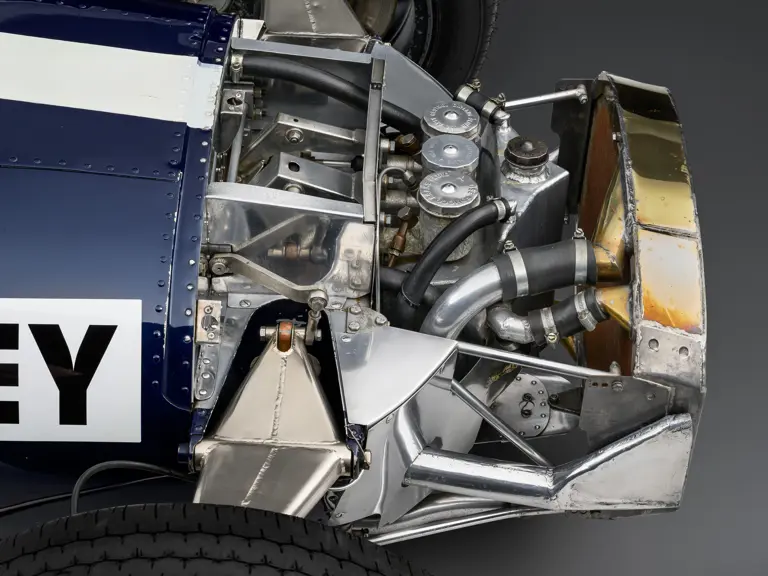
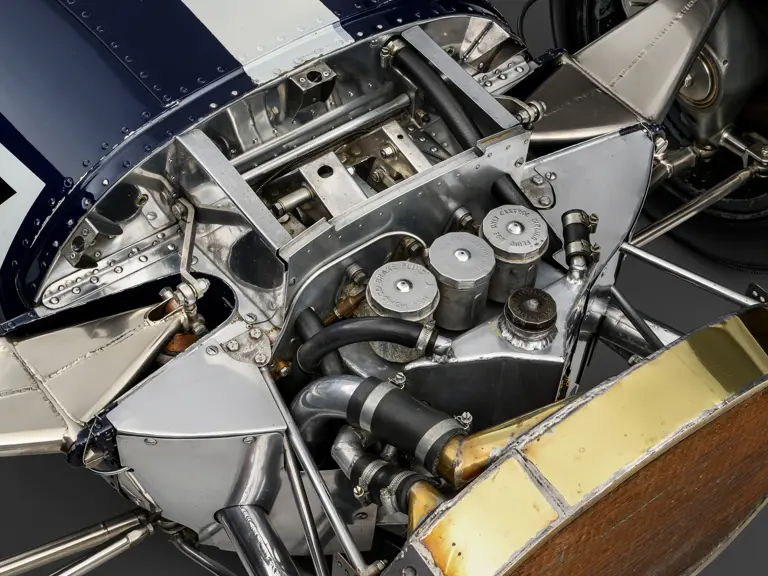
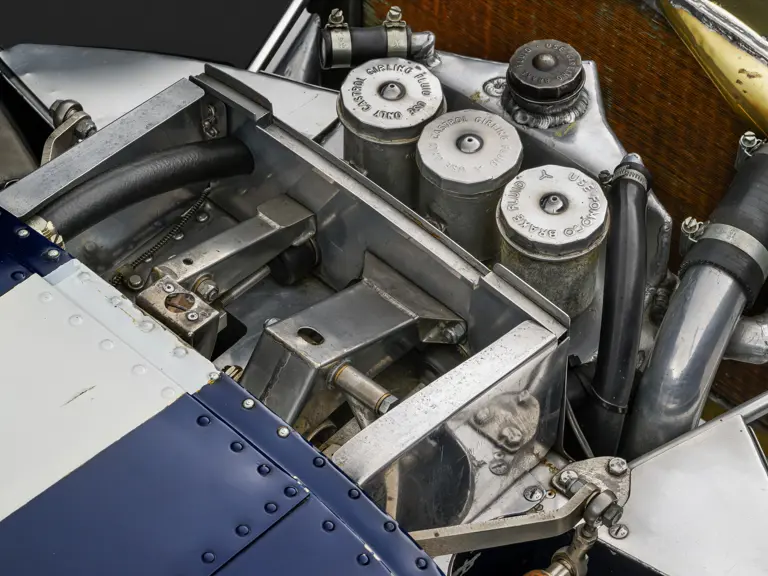
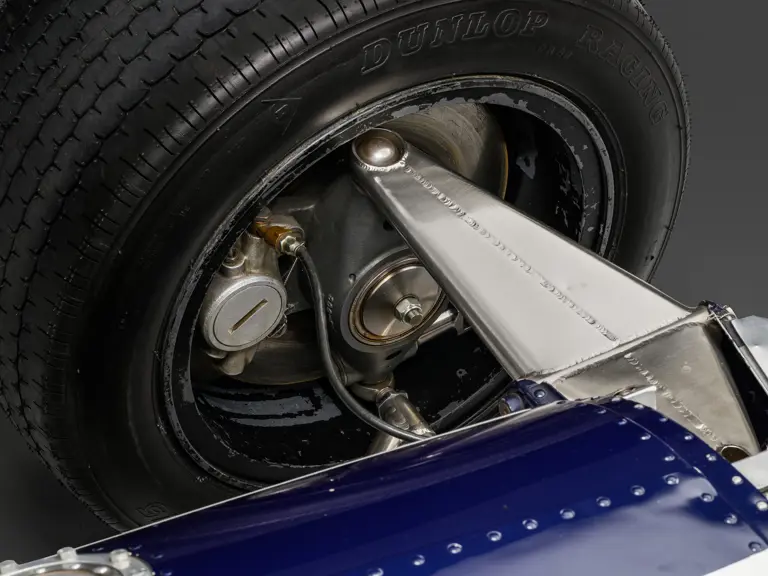
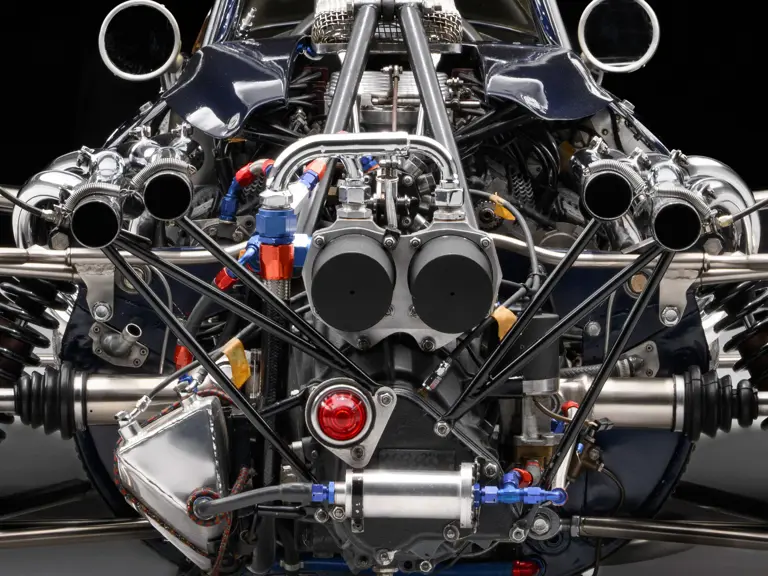
Design responsibilities for the new Eagle were entrusted to Len Terry, whose Lotus 38 had won the 1965 Indy 500 in the hands of Jim Clark. Unsurprisingly, the new car borrowed from Terry’s previous design and featured a full length monocoque chassis fabricated from 16-gauge aluminium, a 4.2-litre Ford four-cam V-8 engine and a Hewland two-speed gearbox. Front suspension was via top mounted rocker arms, inboard-mounted coil/ spring damper units and conventional bottom wishbones, while at the rear reversed lower wishbones, top links and twin radius arms were employed.
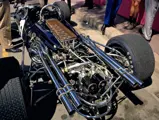
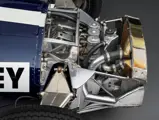
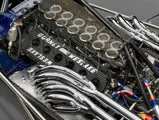
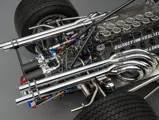
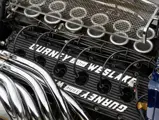
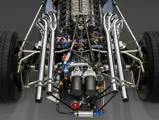
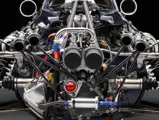
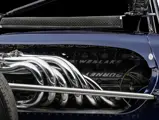
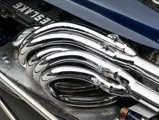
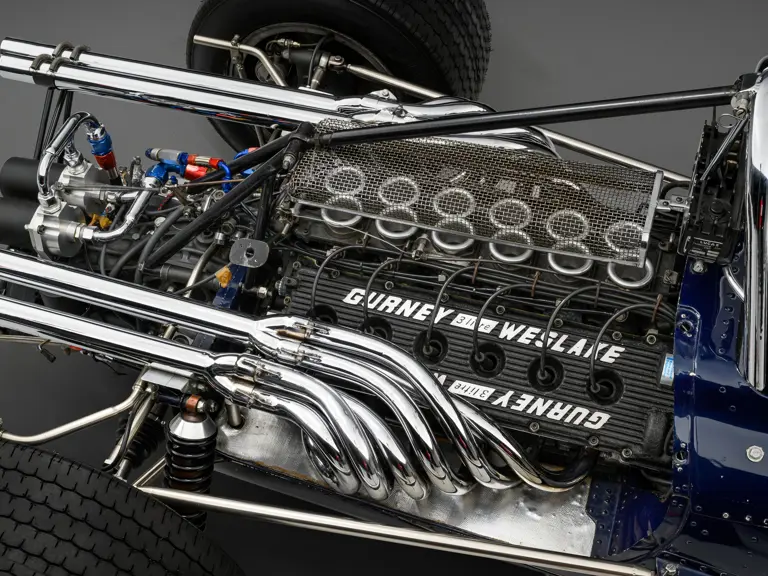
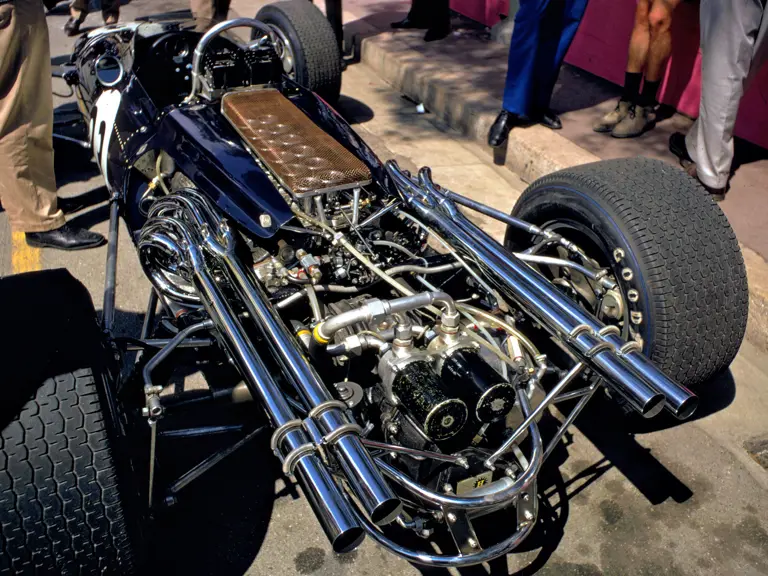
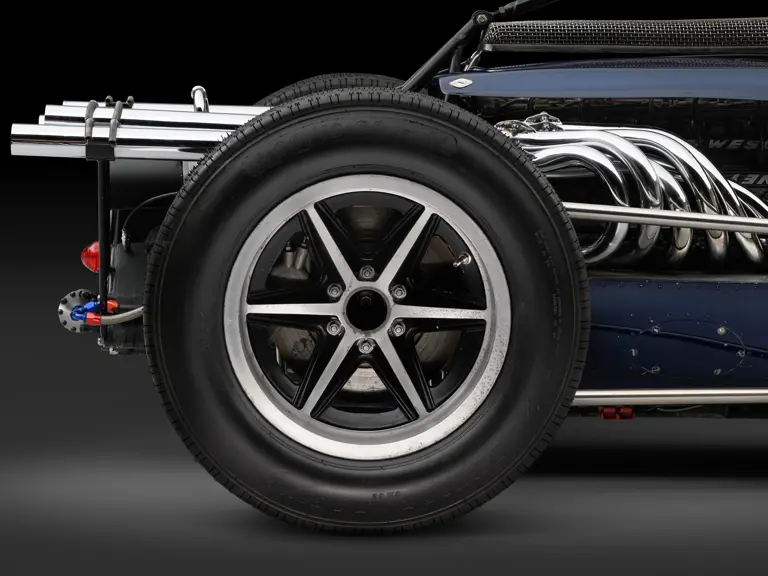
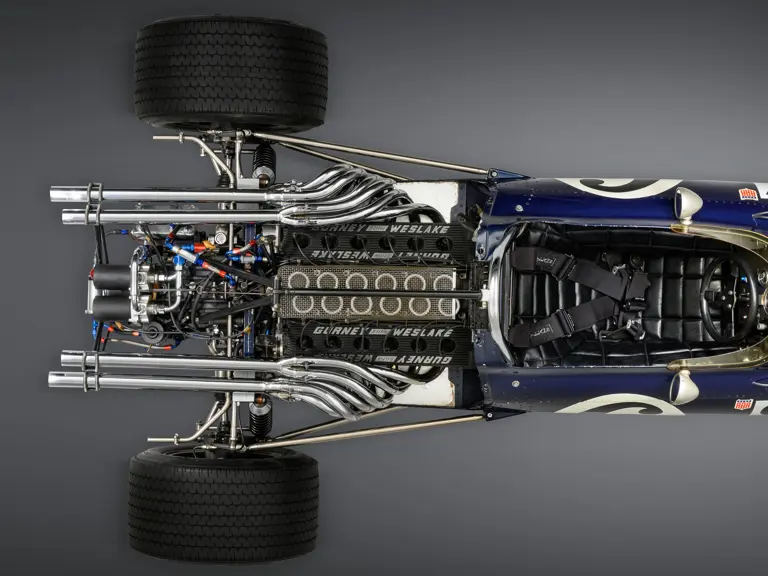
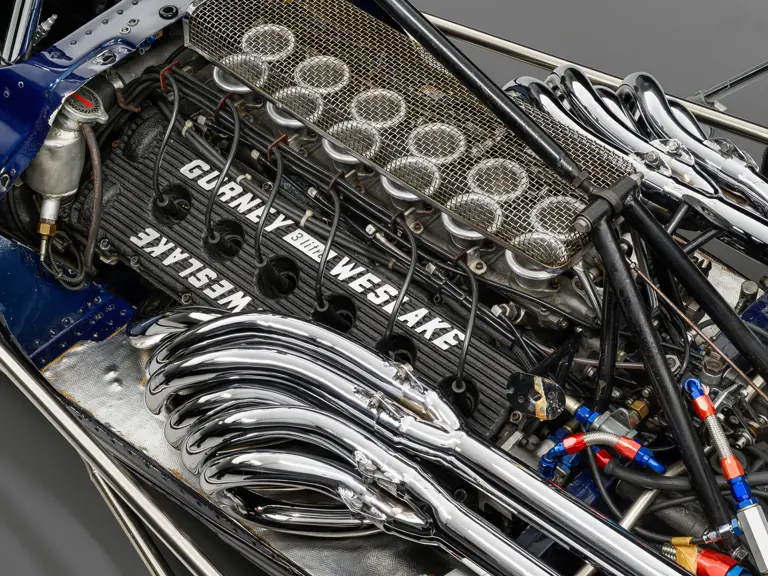
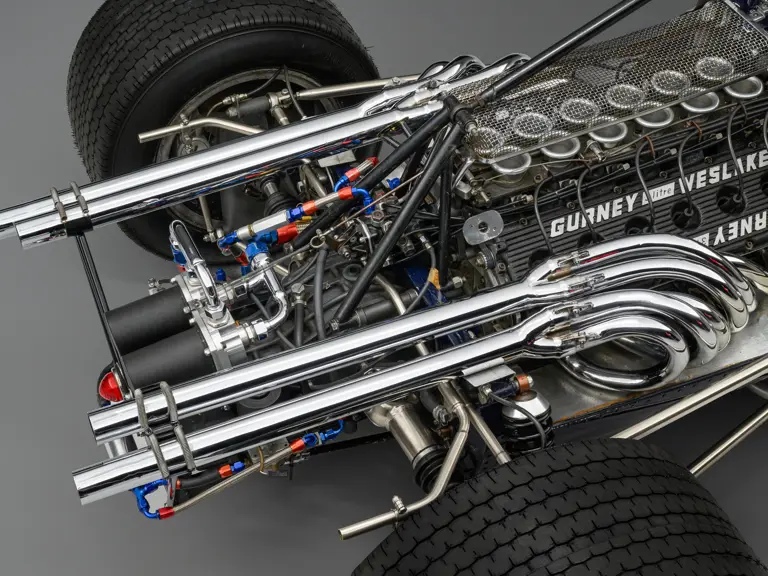
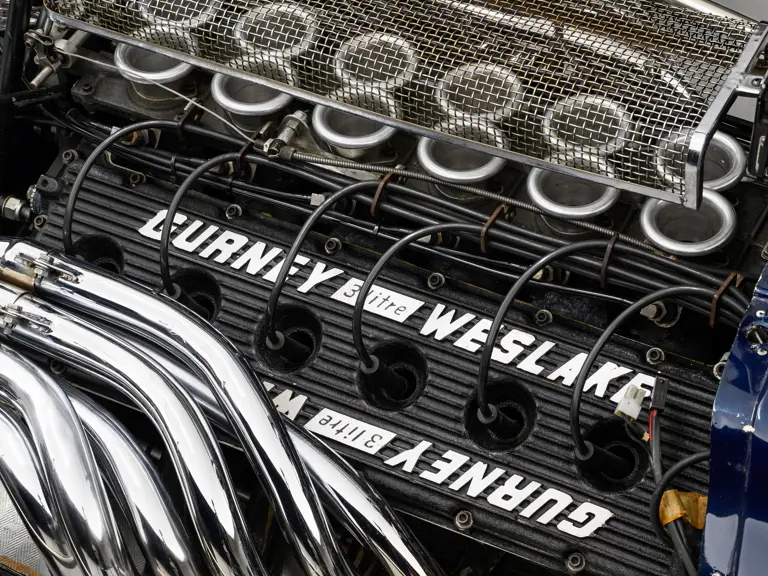
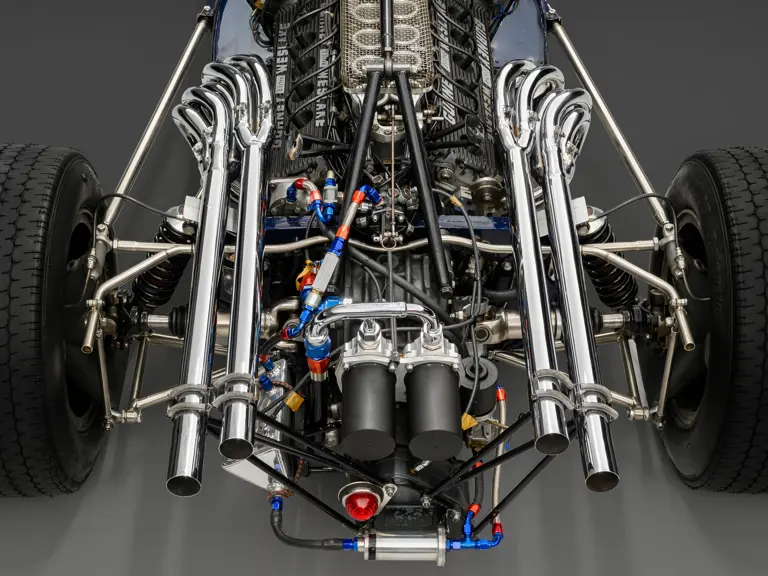
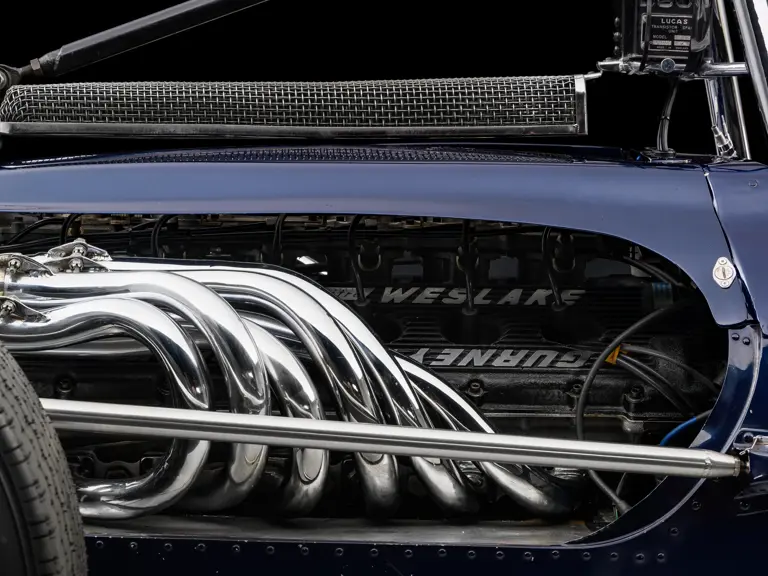
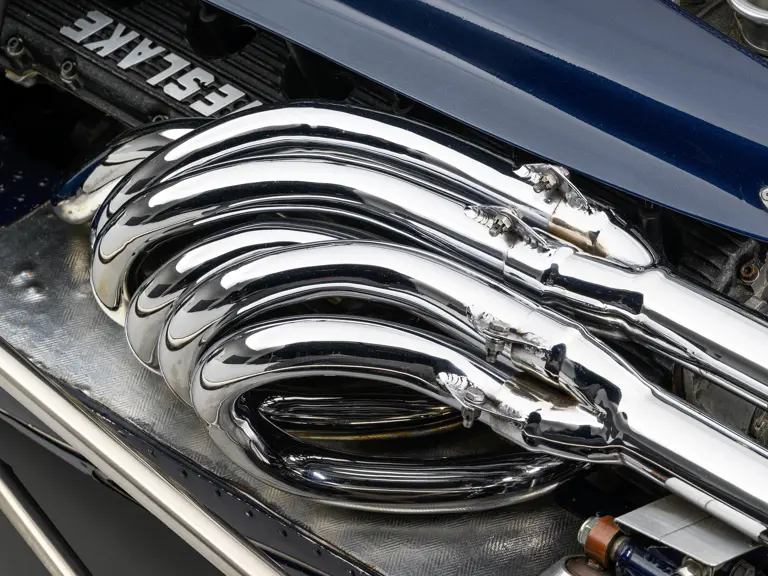
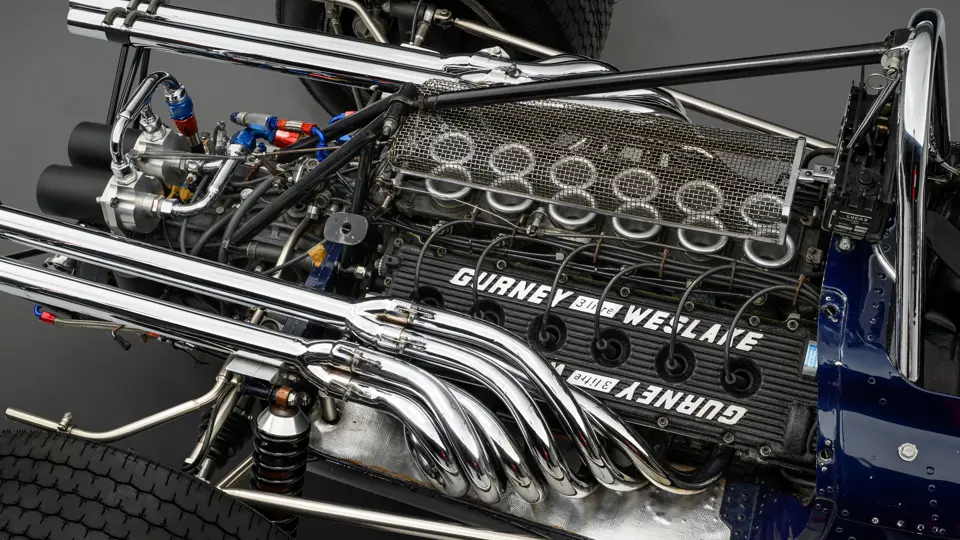
The 1966 USAC season proved a difficult one for AAR, but despite challenges on one side of the Atlantic, Gurney was determined to press ahead with his Formula 1 aspirations on the other. A satellite race shop was established in the UK; the premises subsequently taken in Rye, East Sussex, neatly bearing the name of the “other” AAR: Anglo-American Racers. Instrumental in the factory’s location was its proximity to Weslake and Co. Ltd., who had been tasked with building a bespoke 3-litre, 48-valve, V-12 engine to power the new Formula 1 car. Weslake Chief Designer Aubrey Woods had formed a positive working relationship with Gurney during the latter’s spell driving for BRM in 1960, and an order was duly submitted for six engines in October 1965.
Four new Formula 1 specification monocoque chassis were laid down in Santa Ana in early 1966, the design of which was identical to the USAC cars save for the employment of 18-gauge – as opposed to 16-gauge – aluminium in their manufacture. Engine apart, perhaps the most significant departure was the installation of a five-speed Hewland DG300 gearbox, although minor revisions were made to the existing suspension design to accommodate the vagaries of European “road” circuits.
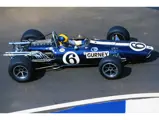
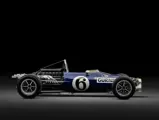
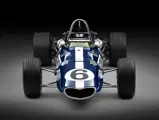
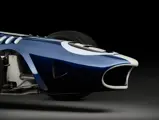
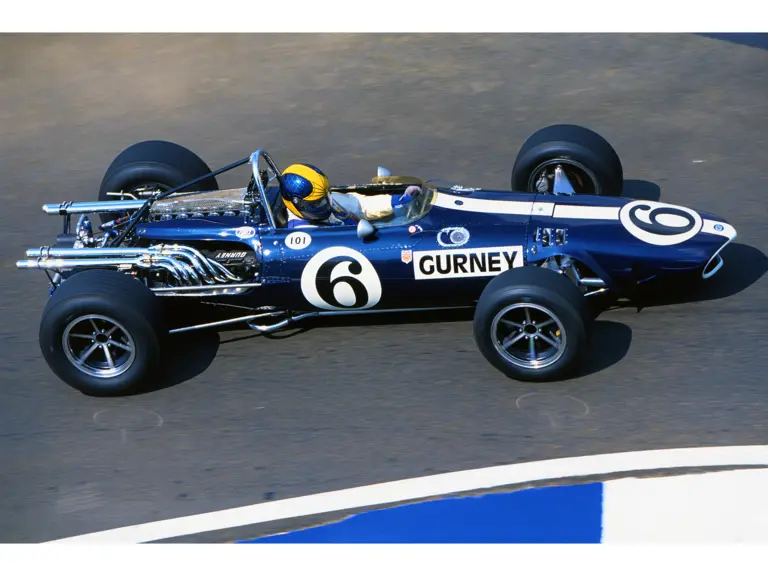
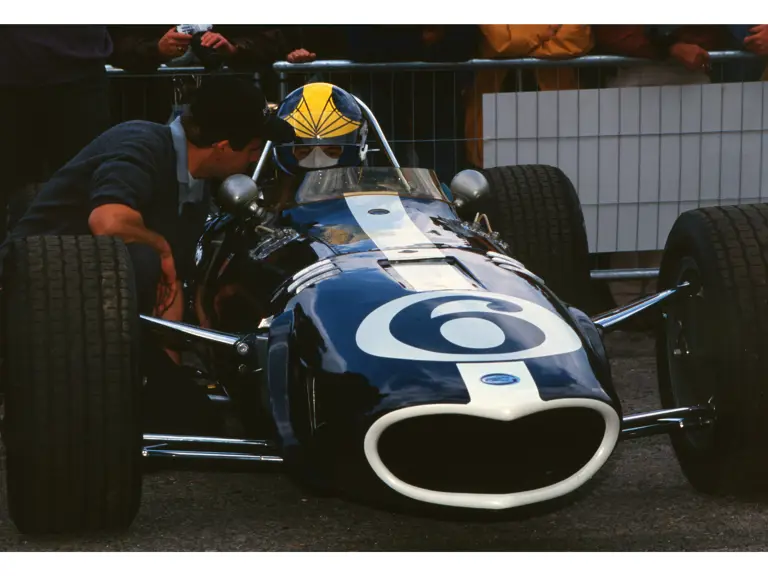
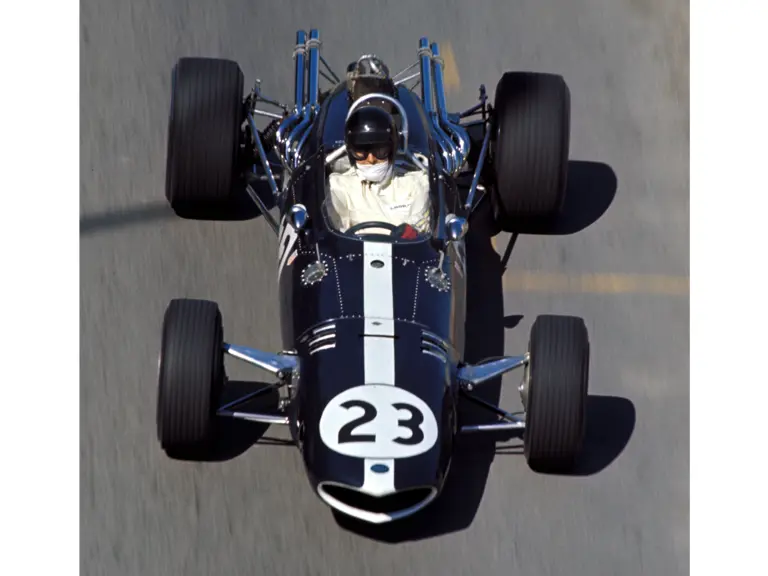
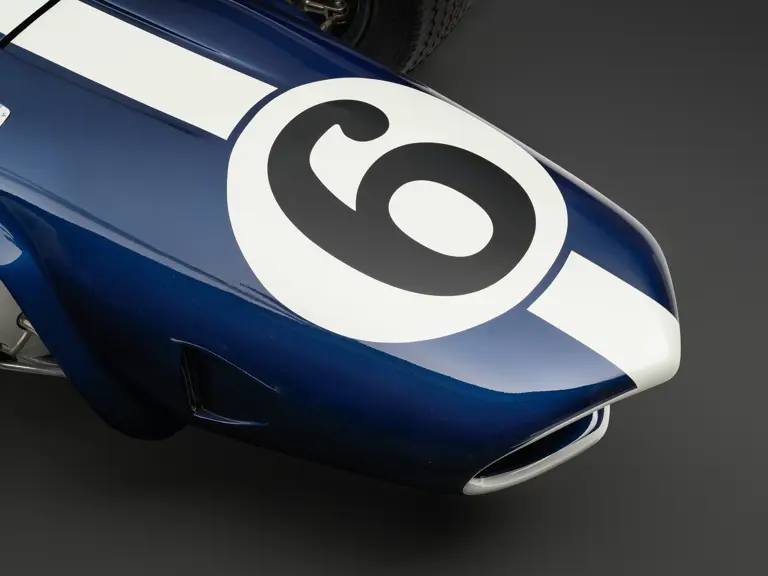
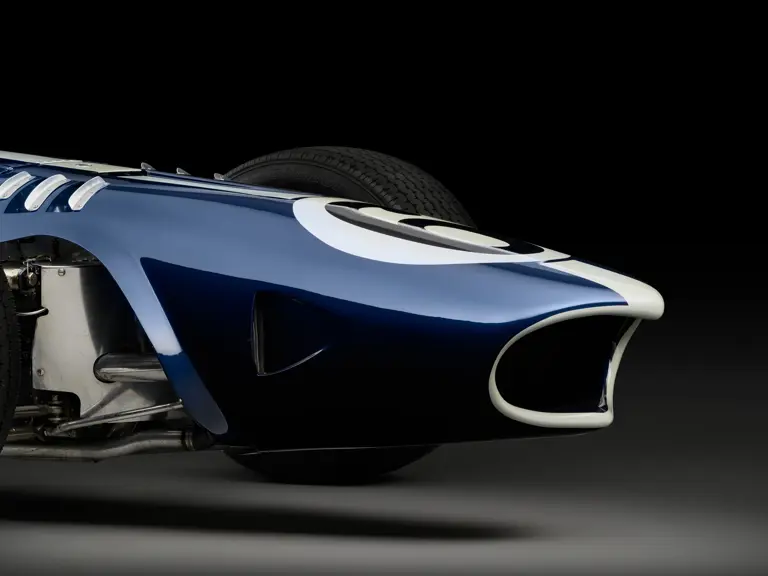
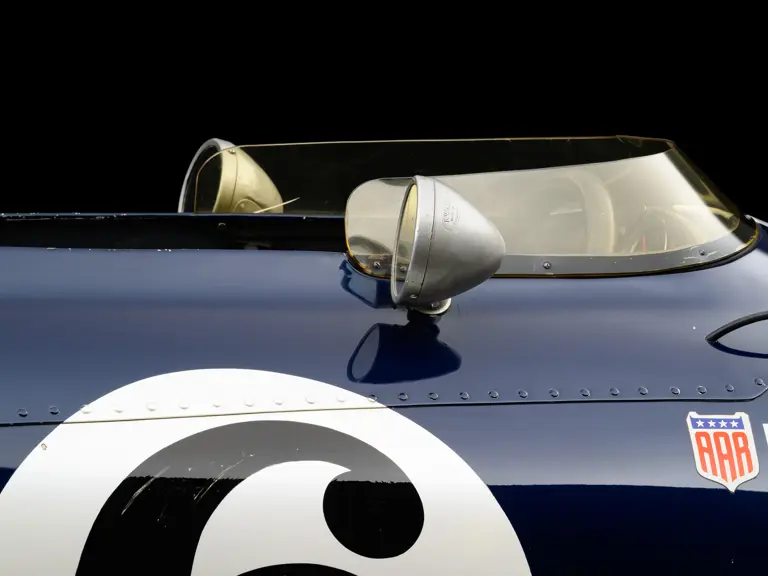
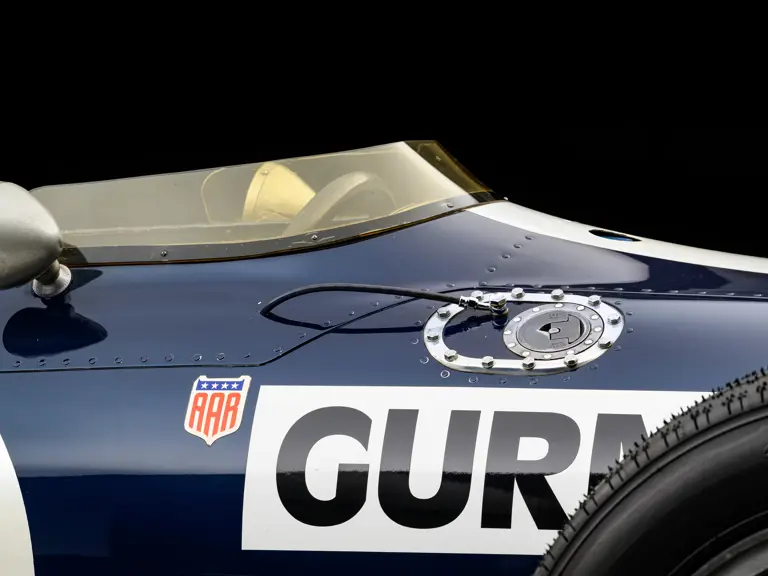
Initial progress on the Formula 1 project appeared positive, but it soon became apparent that the Weslake V-12 was behind schedule and that the car would not be completed in time for the first round of the 1966 World Championship at Monaco. To this end, the first Eagle Formula 1 car constructed – chassis 101 – was fitted with a stopgap 2.7-litre, four-cylinder Coventry-Climax engine, prior to the arrival of the V-12 later in the year. Exquisitely engineered and immaculately finished in the “reversed” American racing colours of blue with a white stripe, the new car made its debut at the Belgian Grand Prix in team boss Gurney’s hands, in which it finished an encouraging 7th.
Although evidently underpowered, the team scored its first World Championship points in the next race – the French Grand Prix at Reims – courtesy of Gurney’s fifth place there. It was hoped that the arrival of the V-12 engine from the Italian Grand Prix onwards would further improve the team’s fortunes but, despite a power increase of well over 100 horsepower, the newly-constructed chassis 102 enjoyed a troubled birth; failing as it did to finish the final three races of that year’s World Championship season.
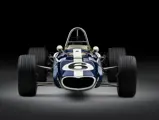
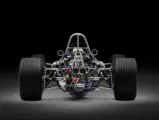
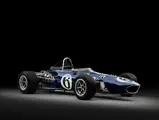
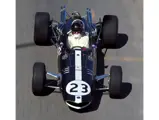
CHASSIS NUMBER 103 - THE SECOND WESLAKE V-12 EAGLE
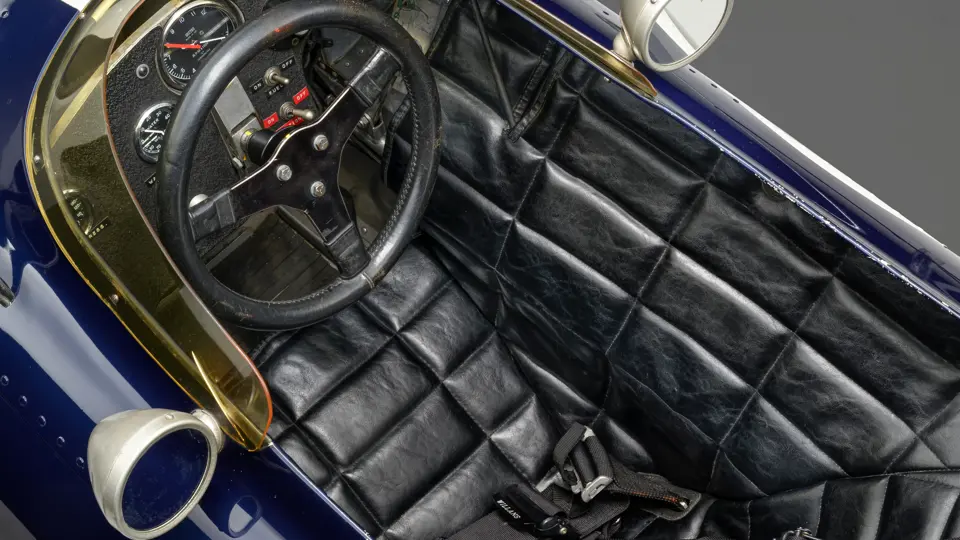
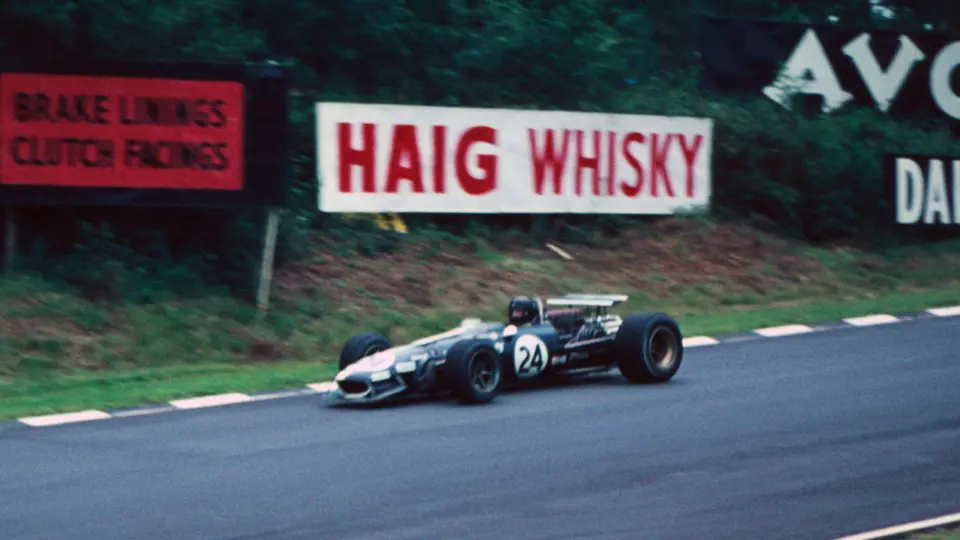
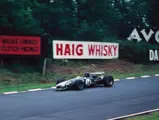
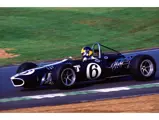
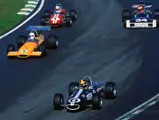
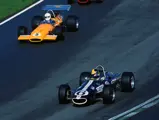
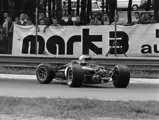
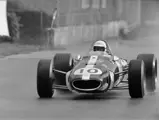
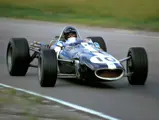
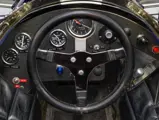
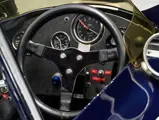
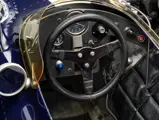
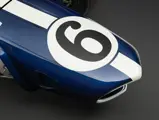
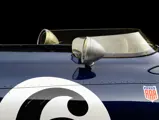
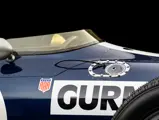
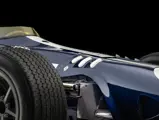
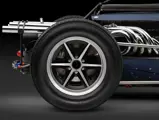
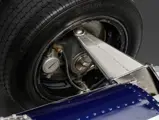
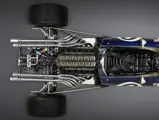
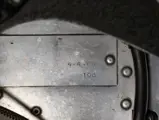
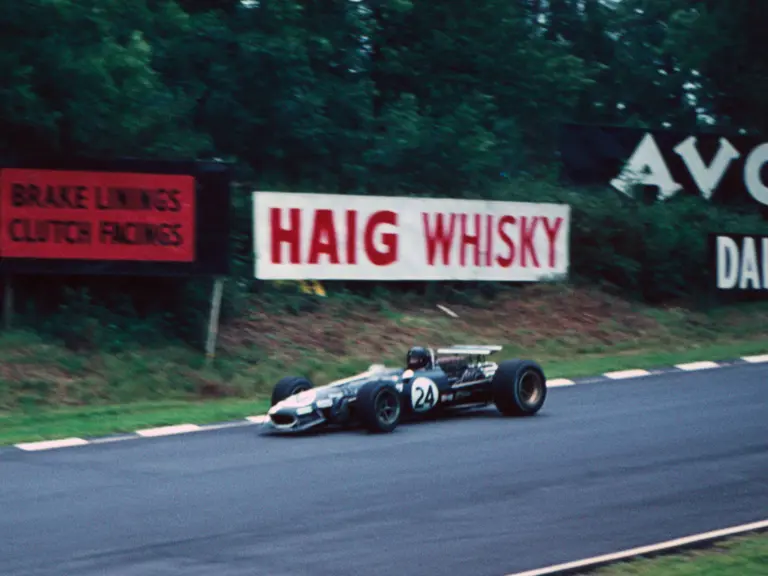
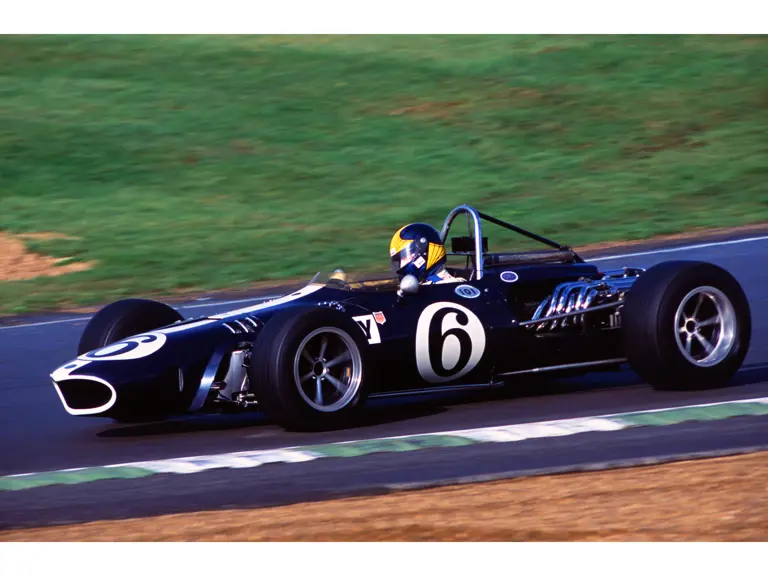
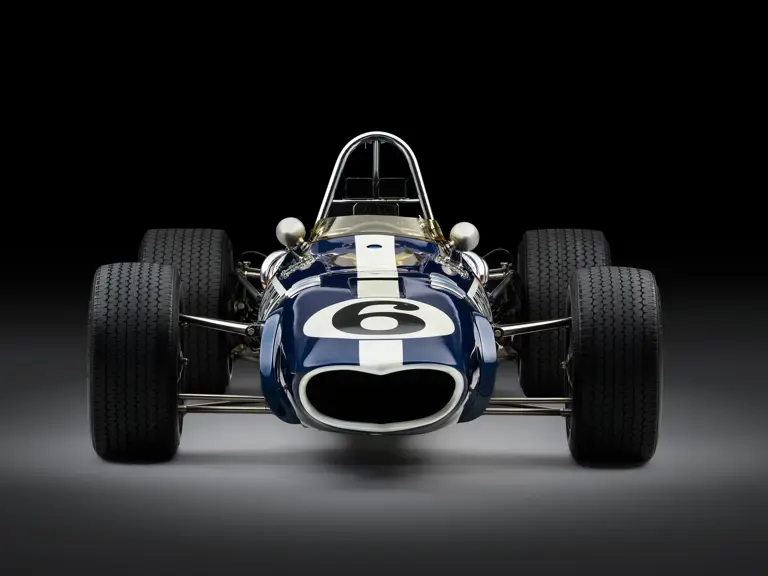
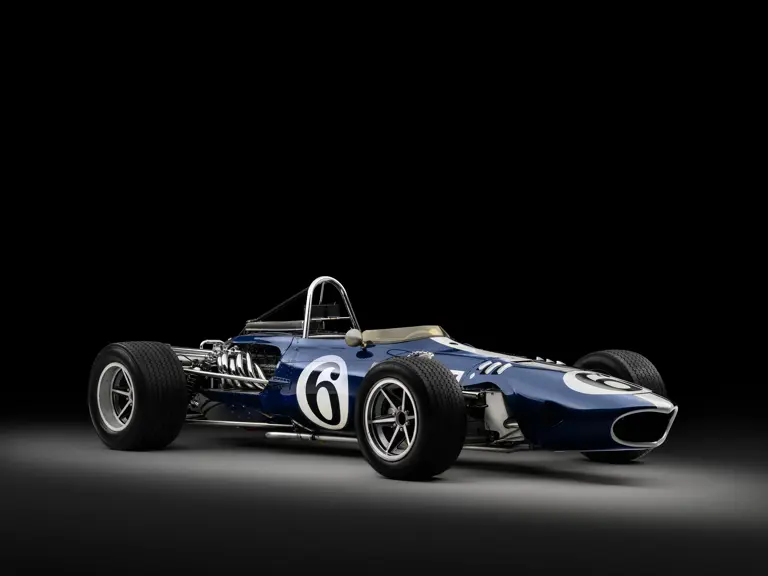
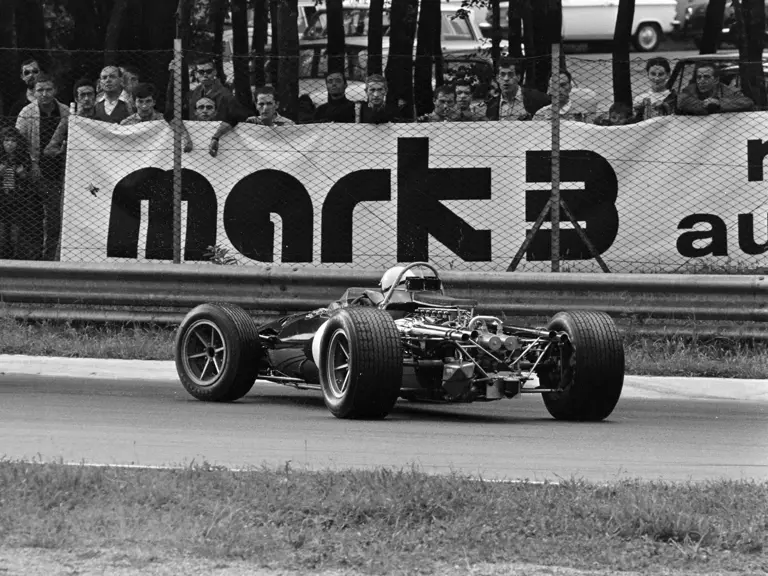
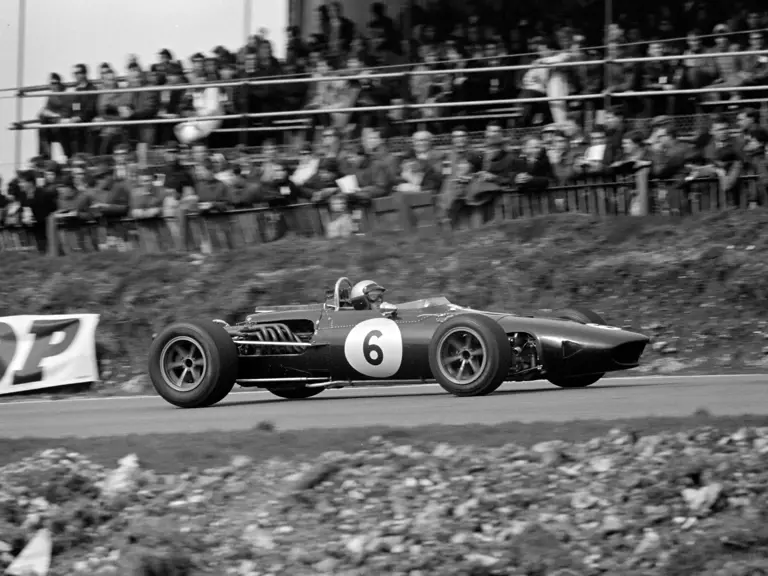
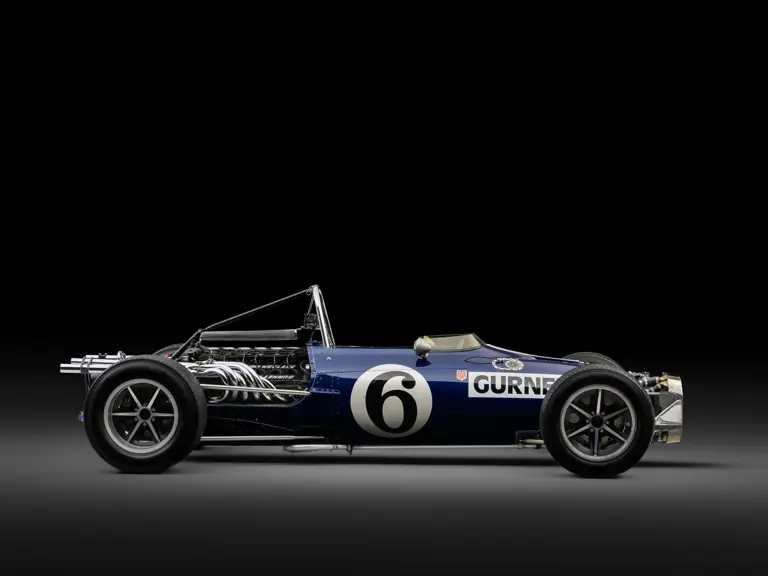
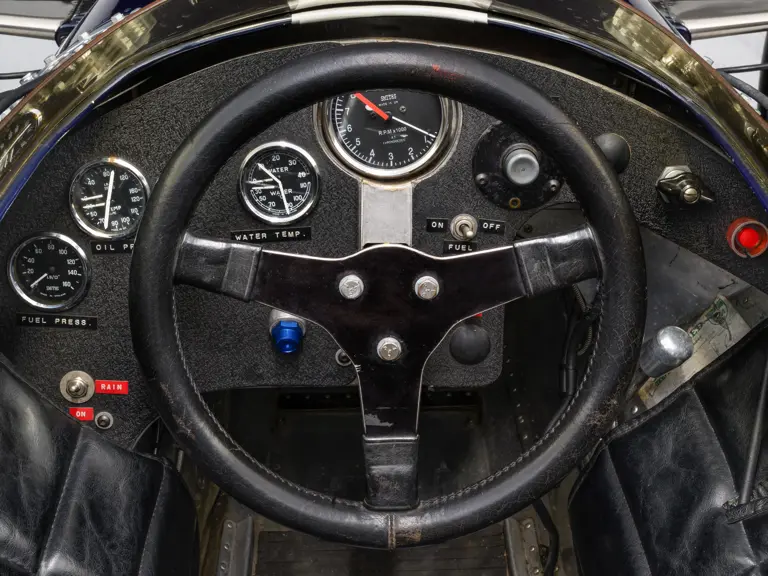
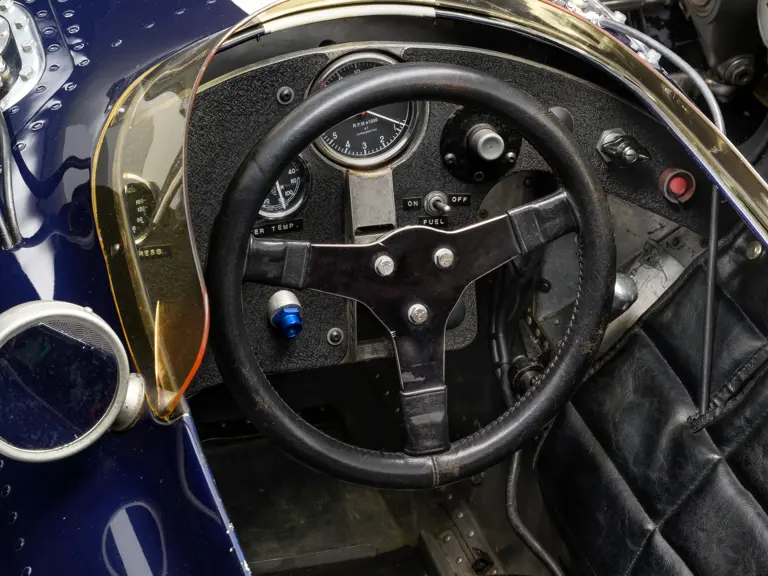
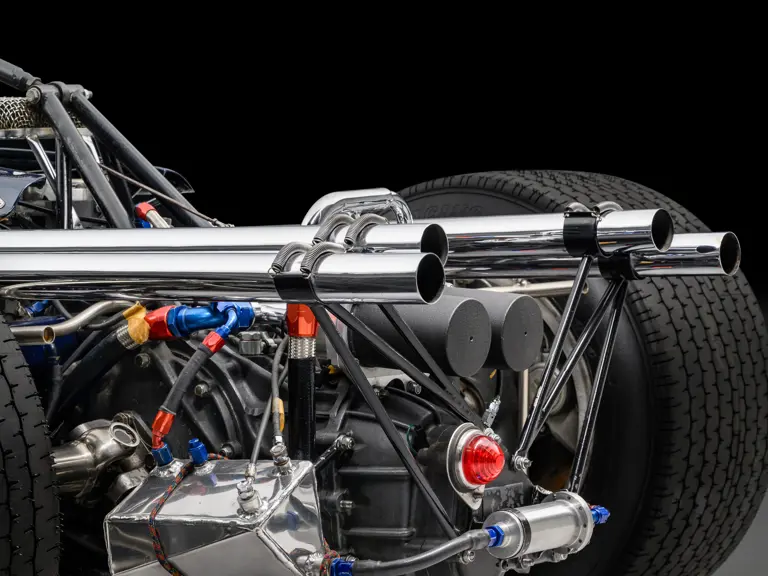
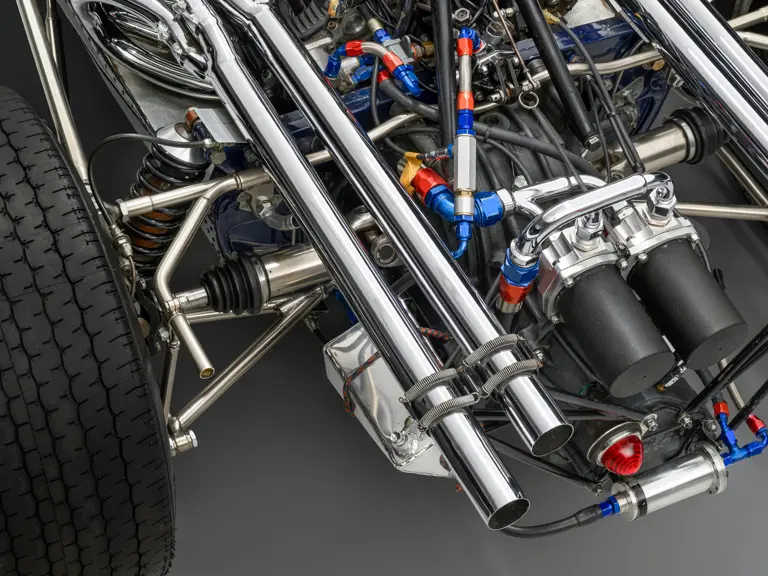
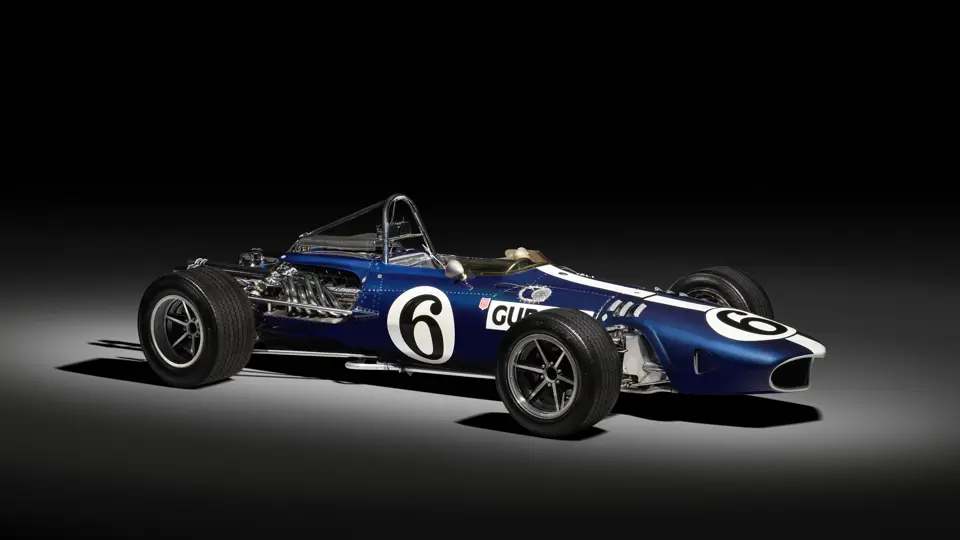
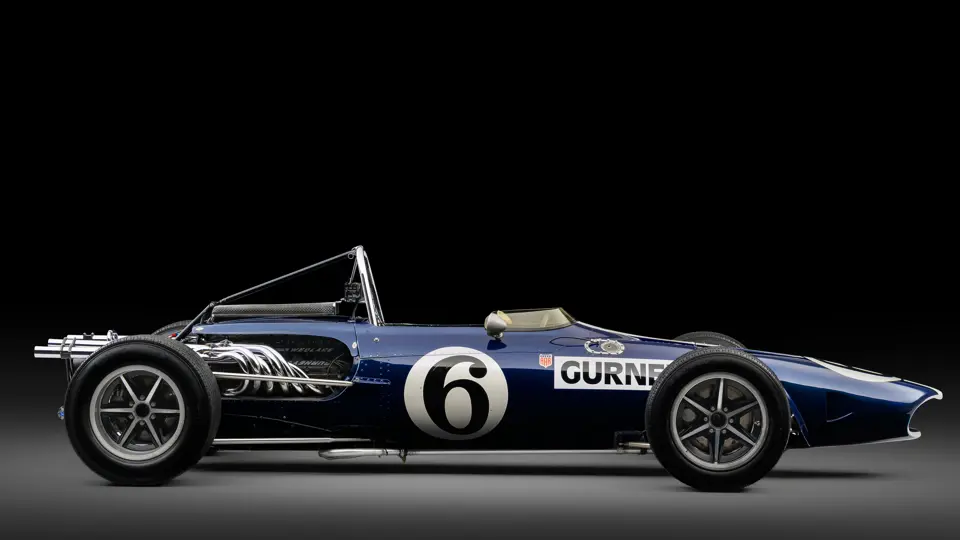
The second of the three V-12-powered Eagle chassis constructed, chassis 103 – the car which Sealed is delighted to offer here – made its race debut on 12 March 1967 at the Race of Champions, at Brands Hatch. Although that year’s Formula 1 World Championship had commenced in South Africa more than two months previously, for many the non-Championship race at the scenic Kent track represented the start of the season in earnest. Indeed, the entry for the event included works cars from Ferrari, Honda, Brabham, Cooper, Matra and Eagle; the likes of Amon, Rindt, Surtees, McLaren and Gurney all eager to lay down an early marker.
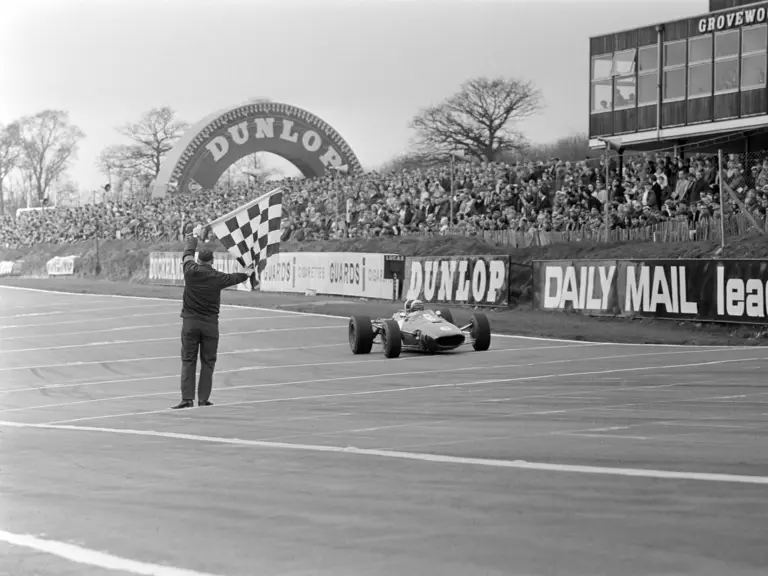
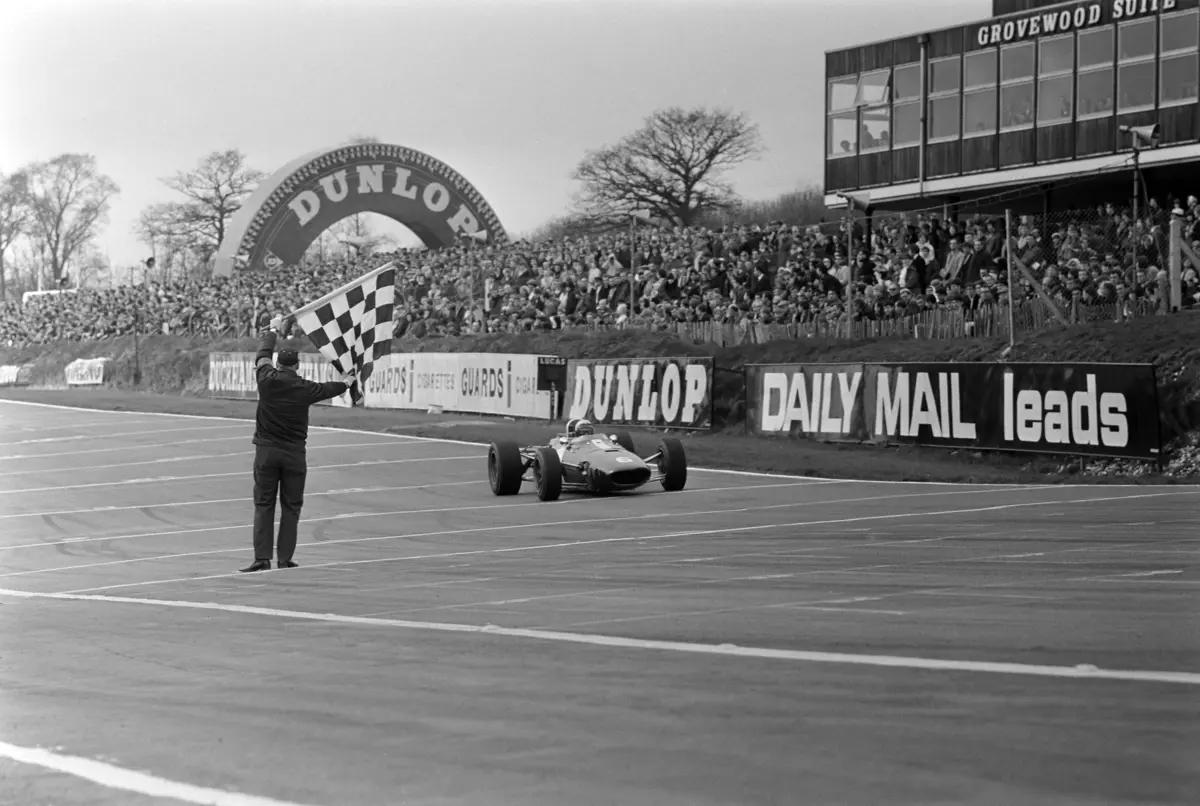
AAR entered two cars for the race, with Gurney taking the wheel of chassis 102 and fellow Californian Richie Ginther assuming 103. The day’s proceedings took the form of two 10-lap heats followed by a 40-lap final; the starting order of the latter being decided by the finishing positions of the second heat. Practice could scarcely have gone any better for AAR, with Gurney securing pole position with a lap more than a second faster than anyone else, and Ginther a promising third. In the first heat, Gurney underlined his pace by finishing some nine seconds clear of Surtees’ Honda, with Ginther a further three seconds behind. Significantly, this represented the first race finish for a V-12-powered Eagle, and a maiden race win for the nascent marque.
In the second heat, Gurney prevailed again, with Ginther just over three seconds adrift and Surtees third. However, the final proved to be one of contrasting fortunes for the two Americans, with Gurney once again taking overall victory – despite falling oil pressure allowing Bandini’s Ferrari to close to within a second at the chequered flag – while Ginther retired 103 from the race with brake issues just four laps from the end. Nevertheless, the diminutive Santa Monican was still classified in 10th place.
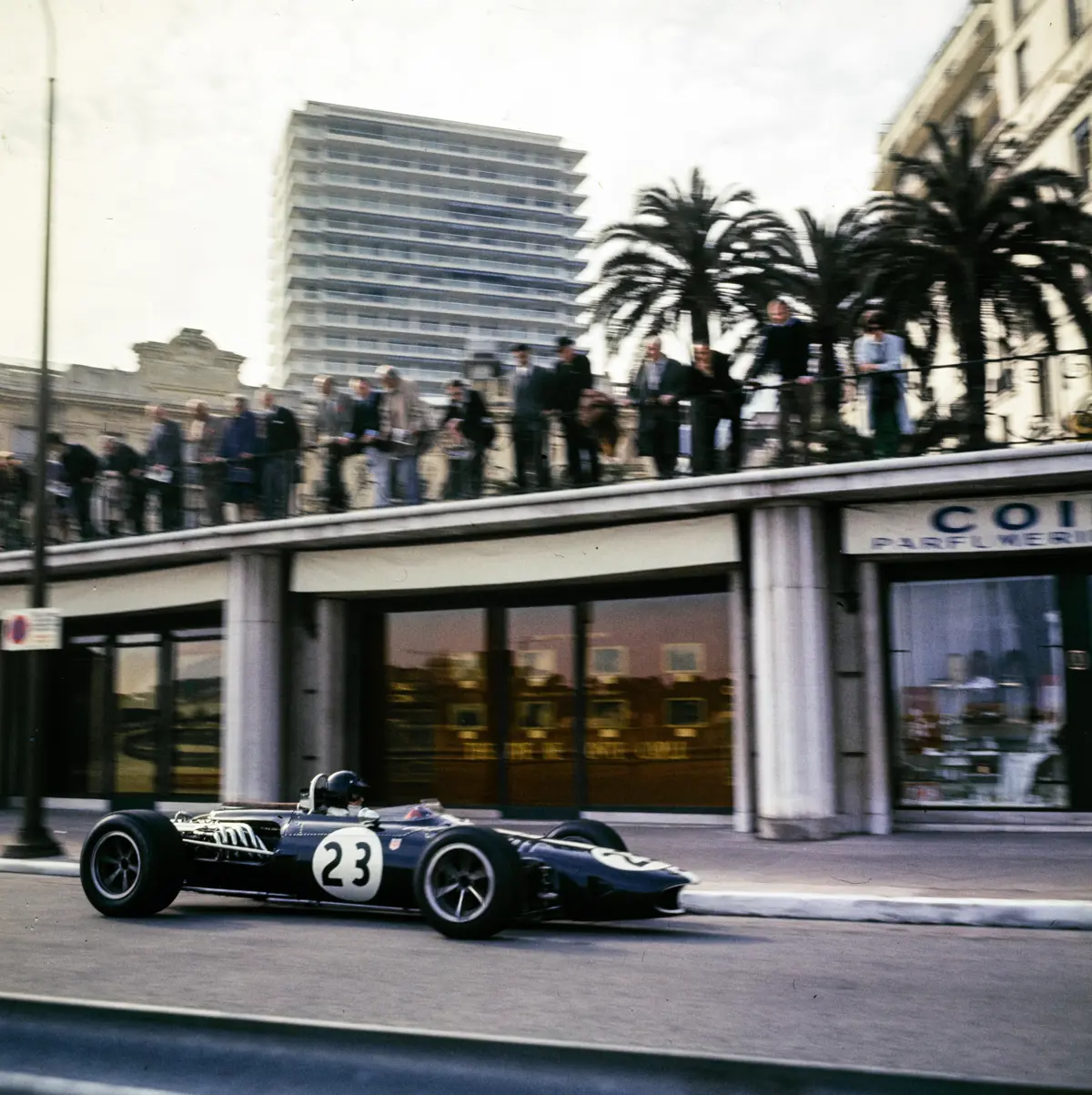
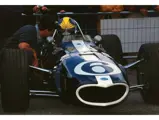
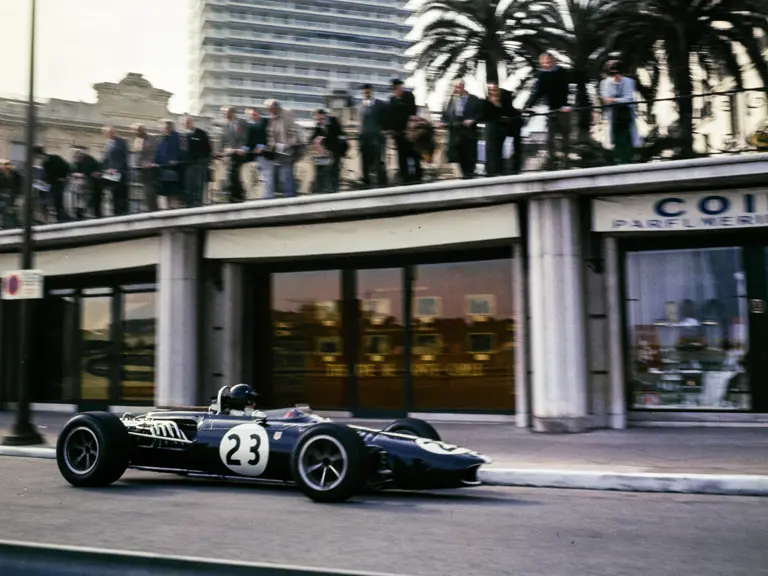
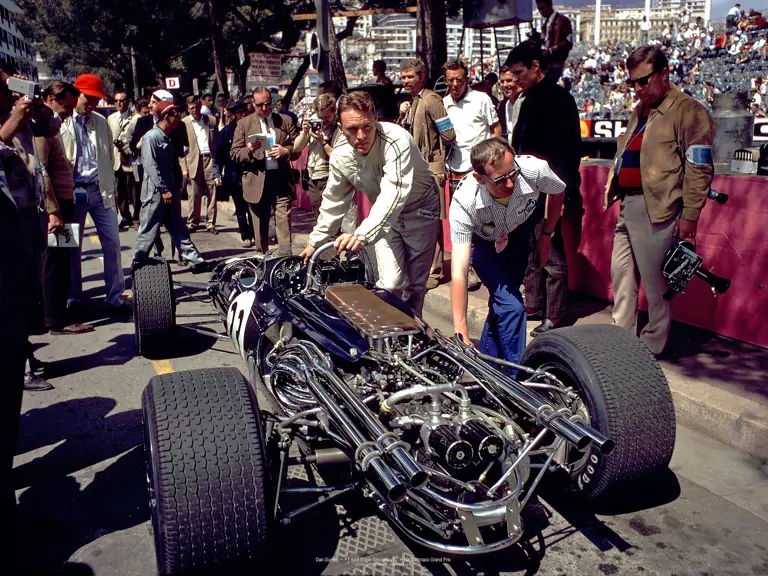
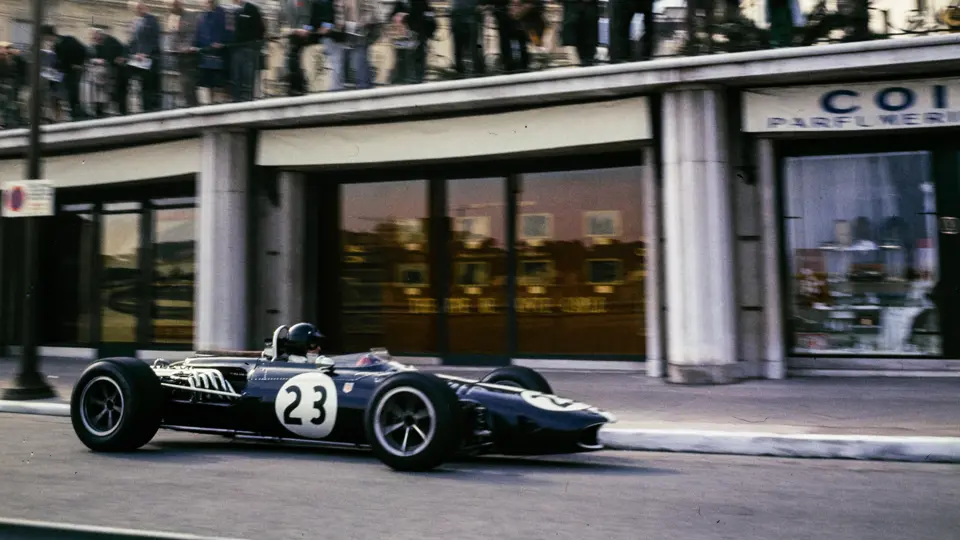
Then, as now, the Monaco Grand Prix represented the highlight of the season, and the Rye-based squad duly decamped to the South of France for the event’s traditional mid-May slot. Initially, chassis allocations remained unchanged from the Race of Champions, although these were reversed after first practice so that Gurney could benefit from what he felt was 103’s superior throttle response. The weekend proved to be something of a reality check after the elation of Brands Hatch, with Gurney qualifying seventh – almost two seconds off Jack Brabham’s pole-setting time – and Ginther failing to qualify at all. Cruelly, this was to prove the latter’s final appearance in a racing car; the former Mexican Grand Prix winner and 14-time Grand Prix podium finisher electing to retire from the sport with immediate effect thereafter. If qualifying had proved a disappointment for Gurney, then the race proved nothing less than disastrous, with the failure of 103’s fuel injection pump belt leading to retirement after just four laps.
Following the travails of Monaco, Gurney’s attention immediately shifted to a congested six-week period in which he was set to participate in three of the most prestigious races in the world: the Indianapolis 500, the 24 Hours of Le Mans and the Belgian Grand Prix, at Spa-Francorchamps. Despite qualifying an excellent second at Indy in one of his USAC-specification Eagle-Fords, Gurney’s race eventually ended in retirement after 160 laps, although he was still classified in 21st place. In fact, the rain-delayed race had not been completed until Wednesday 31 May, meaning that Gurney did not return to Europe until the weekend before Le Mans – with Spa scheduled just a week thereafter.
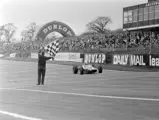
However, as back-to-back racing weekends go, the latter two “legs” of Gurney’s triple header certainly take some beating. The first saw him and recent Indy 500 winner A.J. Foyt take a memorable victory at Le Mans for Ford; the pair having dominated the race in their Mk IV to secure the only All-American victory in the great race to date. As if to cement Gurney’s reputation as an (Inter)National sporting hero, the following weekend also saw the great man take centre stage in a momentous Belgian Grand Prix, in which he took victory at the wheel of the newly-built lightweight “Mag-Ti” Eagle, chassis 104. Not only did this represent a maiden – and, ultimately, sole – Grand Prix victory for AAR, but it was also the first for an American constructor since Jimmy Murphy’s win for Duesenberg at the 1921 French Grand Prix.
Ginther’s sudden retirement post-Monaco necessarily left the second AAR berth vacant, and Spa had witnessed AAR run a single car for Gurney, with chassis 102 present purely as a spare. However, Gurney’s friend, fellow competitor and – incredibly – rival team owner Bruce McLaren gamely filled the void at the French, British and German Grands Prix, albeit on a temporary basis. Nevertheless, despite their formidable collective technical and sporting talents, an ugly sequence of double retirements ensued at each; the team boss having persisted with chassis 104 and McLaren with 102 during this time.
POST-COMPETITION HISTORY
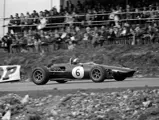
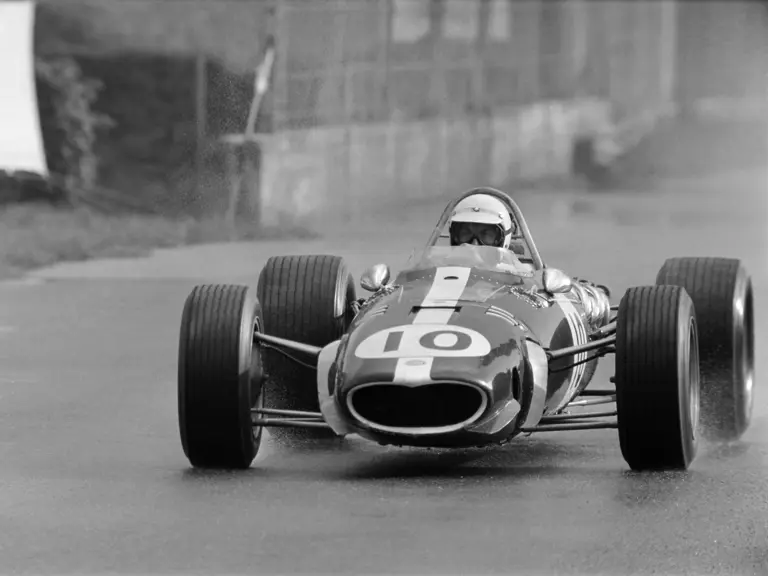
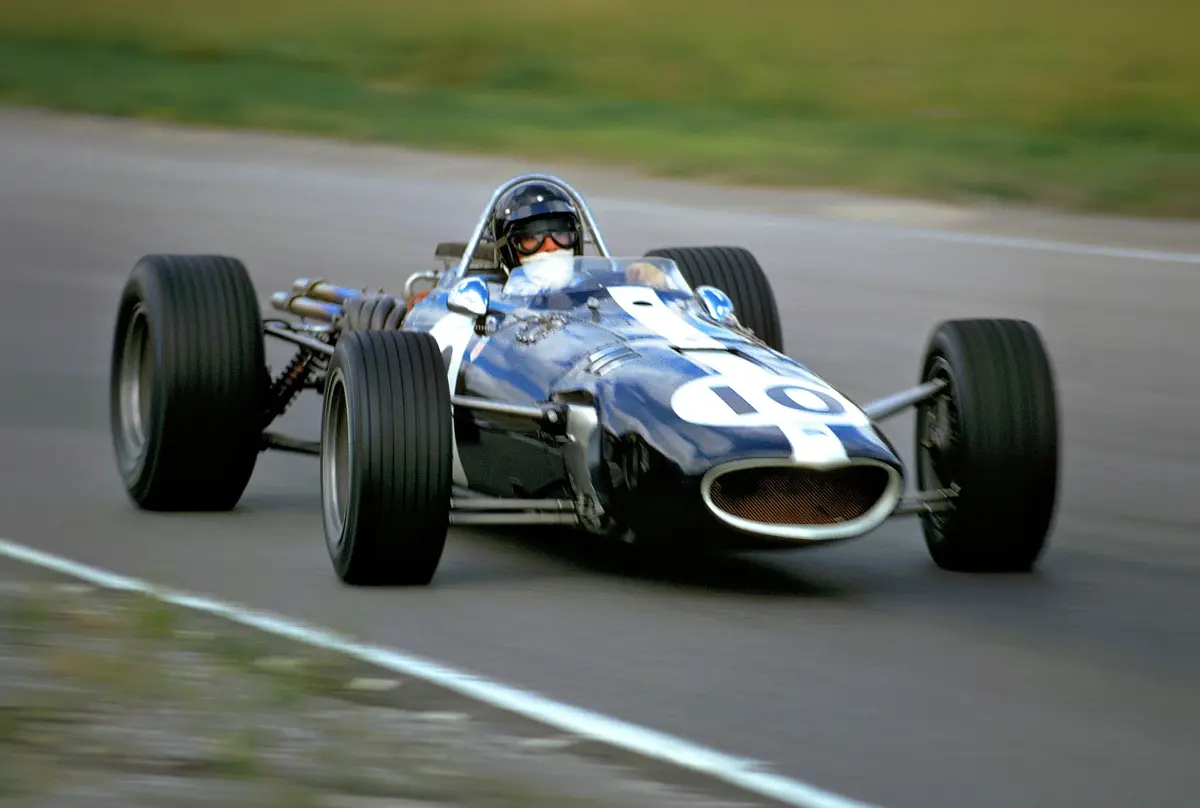
The proximity of the Canadian and Italian Grands Prix – held on 27 August and 10 September, at Mosport Park and Monza respectively – presented a significant logistical headache for the teams, with several opting to run different chassis for each to avoid potential Customs bottlenecks. Unused since Monaco, AAR elected to bring chassis 103 out of hibernation for its Trans-Atlantic trip, albeit with its suspension appropriately updated with sundry titanium components sourced from the “Mag-Ti” chassis 104. At Mosport, Gurney experienced fuel metering issues in practice, yet still managed to qualify in a respectable fifth place, barely a second behind Jim Clark’s new standard-setting Lotus 49. In the race itself, torrential rain played havoc with the order and necessitated that Gurney should stop twice for fresh goggles, but he navigated the various pitfalls masterfully and finished a superb third, behind the Brabham-Repcos of Brabham and Hulme.
Ironically, there were no such delays in returning chassis 103 to Europe, and it was promptly pressed into action at Monza in the hands of recent Ferrari Formula 1 refugee Ludovico Scarfiotti, with Gurney back at the wheel of chassis 104. On paper, the car’s Weslake V-12 appeared well suited to Monza’s super-fast layout, and Gurney’s fifth place after qualifying – and Scarfiotti’s tenth, ahead of the likes of Rindt, Spence and Siffert – gave the team cause for optimism. However, the race was another case of what might have been for AAR, with Gurney’s engine failing after just four laps – frustratingly, while leading – and Scarfiotti’s doing the same just a lap later.
Indeed, at the season’s conclusion, the bare statistics made for sobering reading for AAR: of the 15 Grands Prix they had started, just two had been completed. Furthermore, out of a possible 99 World Championship points available, a mere 13 had been scored – of which all were attributable to Gurney, and nine of which had been achieved that famous day in the Ardennes.
An uptick in AAR’s fortunes in USAC racing and orders for eight all-new Tony Southgate-designed USAC chassis for 1968 meant that Gurney’s attentions were increasingly in demand in Santa Ana. His partial 1968 World Championship campaign with chassis 104 was, in hindsight, under-funded and ill-advised, and once again poor reliability plagued the car. Ignominiously, following the car’s fourth retirement in five races at that year’s Italian Grand Prix, the difficult decision was taken to call a halt to AAR’s Formula 1 operation; thereby closing the book on one of the most ambitious and compelling of all Grand Prix programmes.
Following the disbandment of AAR’s UK-based operations in late-1968, chassis 103 was offered for sale; a deal finally being concluded with former NHRA Drag Racing Champion Danny Ongais in October 1969. Variously known as “The Flyin’ Hawaiian” and “On-the-Gas” on account of his fearless driving style, Ongais’ intention had been to convert the car for SCCA Formula A racing in 1970 but evidently such plans did not come to fruition. It is understood that Ongais exchanged 103 with Chuck Jones of Costa Mesa, California in 1974 in return for the latter’s Lola T300; Jones subsequently retaining the Eagle until 1981.
Prominent broker Mark Leonard of La Jolla, California acquired 103 from Jones, prior to selling it to fellow Californian and IMSA luminary Dick Barbour in 1985. The latter appears to have kept the car only very briefly, for later that year it was acquired by Jeffrey Keiner of Orlando, Florida. In Keiner’s ownership, the car was prepared for historic racing and it remained in his care until 1998.
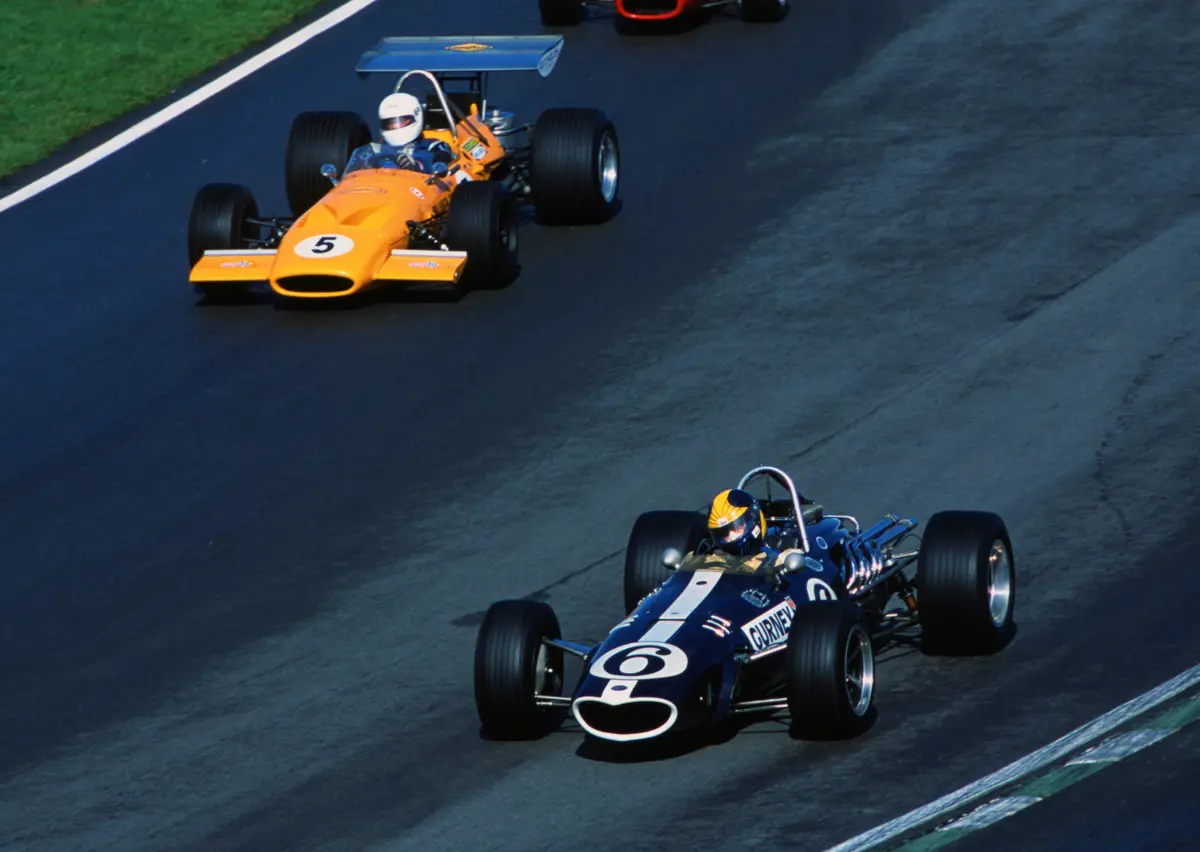
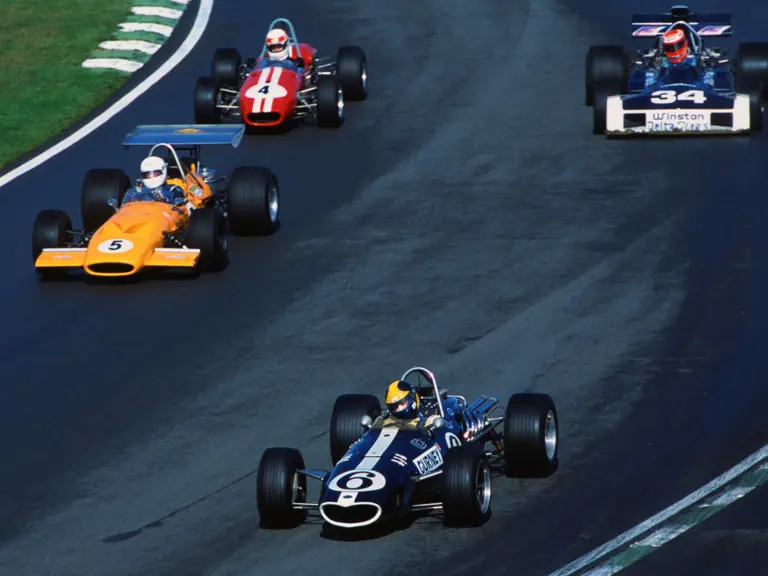
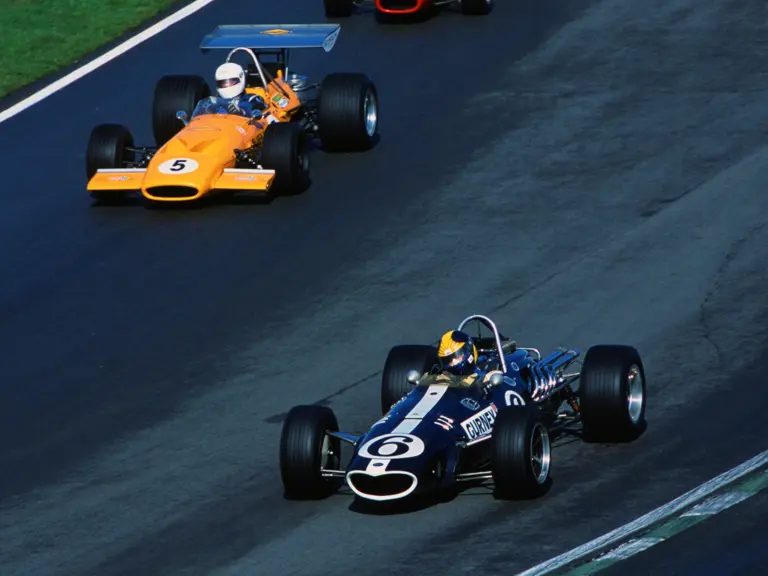
At this point, the car returned to British soil for the first time in almost 30 years, entering as it did the collection of keen historic racer Ben Liebert. In his hands it was raced enthusiastically; highlights including participations at the 1999 Goodwood Revival, 2000 Goodwood Festival of Speed and 2002 Monaco Historic Grand Prix. In the case of the last-named event, it was perhaps fitting that Liebert finished an excellent eleventh overall and first in class in the Pre-1979 Formula 1 race; 103 finally enjoying the untroubled run in the principality which had eluded Ginther some 35 years previously.
In 2002, 103 was acquired by the consigning owner in whose esteemed collection it has remained ever since. A notable participation in the 2006 Goodwood Festival of Speed aside, it is understood not to have run competitively since, and during the course of a recent inspection by marque experts Hall & Hall, it was identified that the car would benefit from proper race preparation prior to further use.
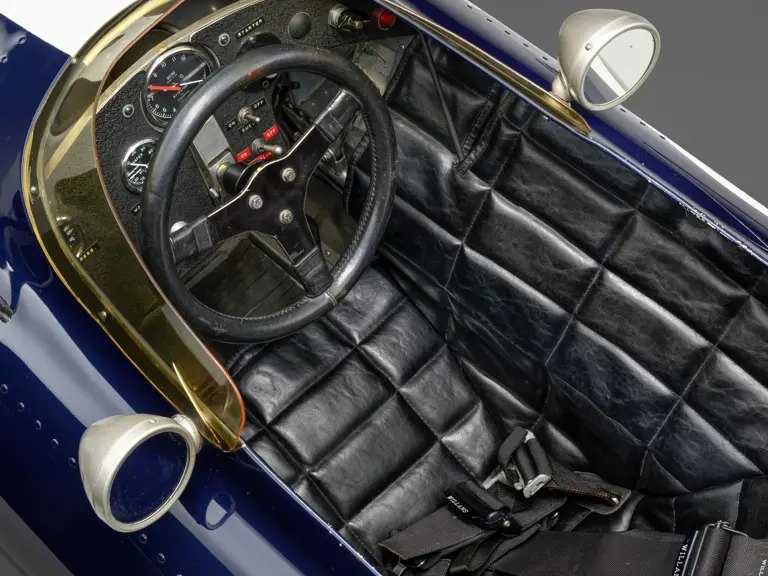
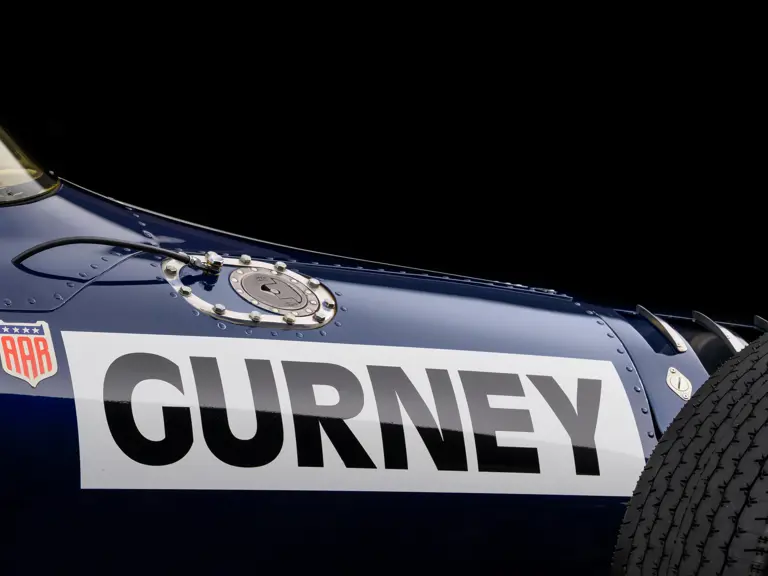
In an age where hyperbole pervades conventional and social media alike all too frequently, it is easy to overlook those genuine once-in-a-lifetime opportunities as and when they do actually occur. The present availability of chassis 103 – one of just two V-12-powered Eagles in private hands – is one such opportunity. Exquisitely engineered, impeccably finished, and blessed with a priceless association with the incomparable Daniel Sexton Gurney, this must surely rank as one of the most significant “pre-Wings and Slicks” 3-litre Grand Prix cars ever to be publicly offered for sale and should be afforded all due consideration by any appropriately committed prospective purchaser.
 | Culver City, California