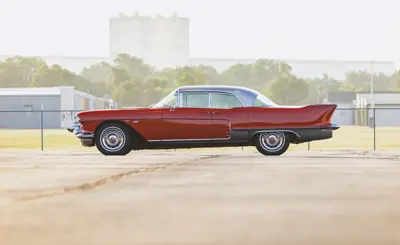
From a one-off Cadillac to an American Fiat, these are the lots catching our eyes.
Hershey is a town as serious about cars as it is about chocolate. The annual RMS sale brings together pre-war collectors, historians, and enthusiasts. But away from the serious academia, Brass Era cars, Auburns, and Chryslers, the sale contains some wonderfully strange machinery. The sort of stuff that would keep even the most iconoclastic of car enthusiasts entertained.
Keep reading for tales of European vehicles quietly built in America, Carroll Shelby’s least memorable car, and one of the earliest EVs ever made.
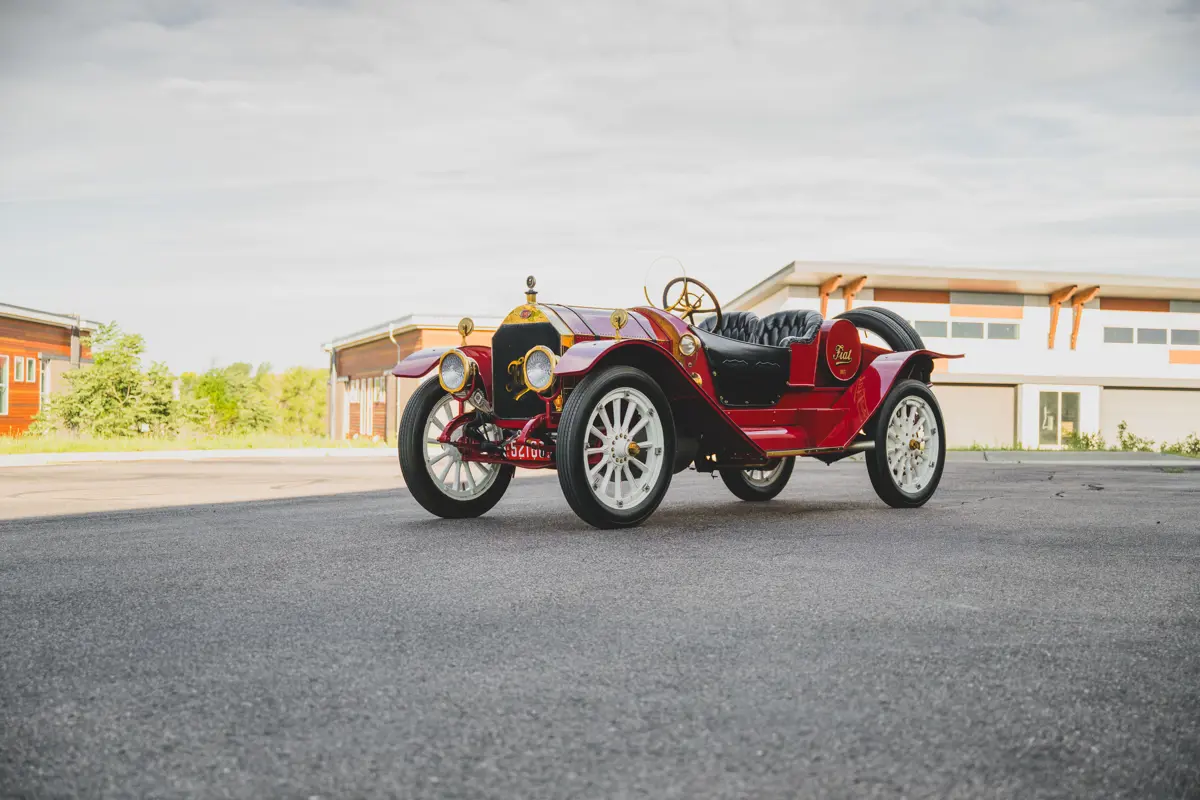
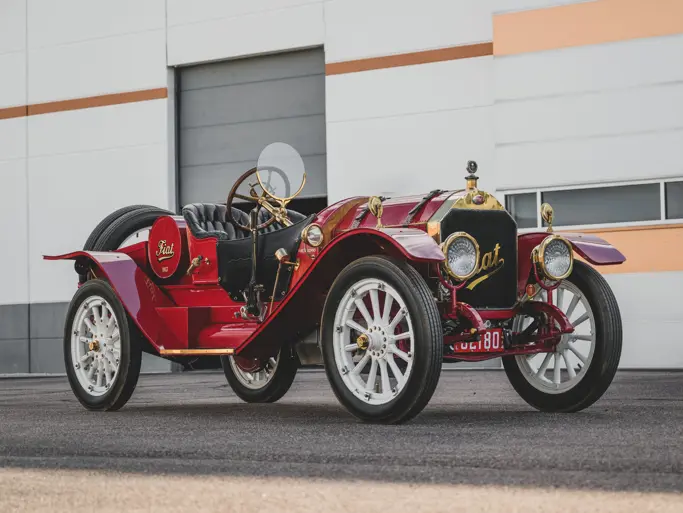
1913 Fiat Type 55 Speedster
The American Fiat. Long before the company’s associations with North America thanks to its takeover of Chrysler in 2014 and the subsequent creation of the 14-brand behemoth Stellantis in 2021, the Italian company was building cars in Poughkeepsie, New York.
In a bid to avoid onerous import taxes, Fiat produced its finest and most luxurious machines for wealthy American motorists from 1910 to 1918.
It offered several different American models under the memorable tagline “The Master Car”—but the Type 55 was something else. It was among the fastest luxury cars of its era, thanks to a nearly 9.4-liter four-cylinder engine delivering close to 60 horsepower through a four-speed selective-shift transmission.
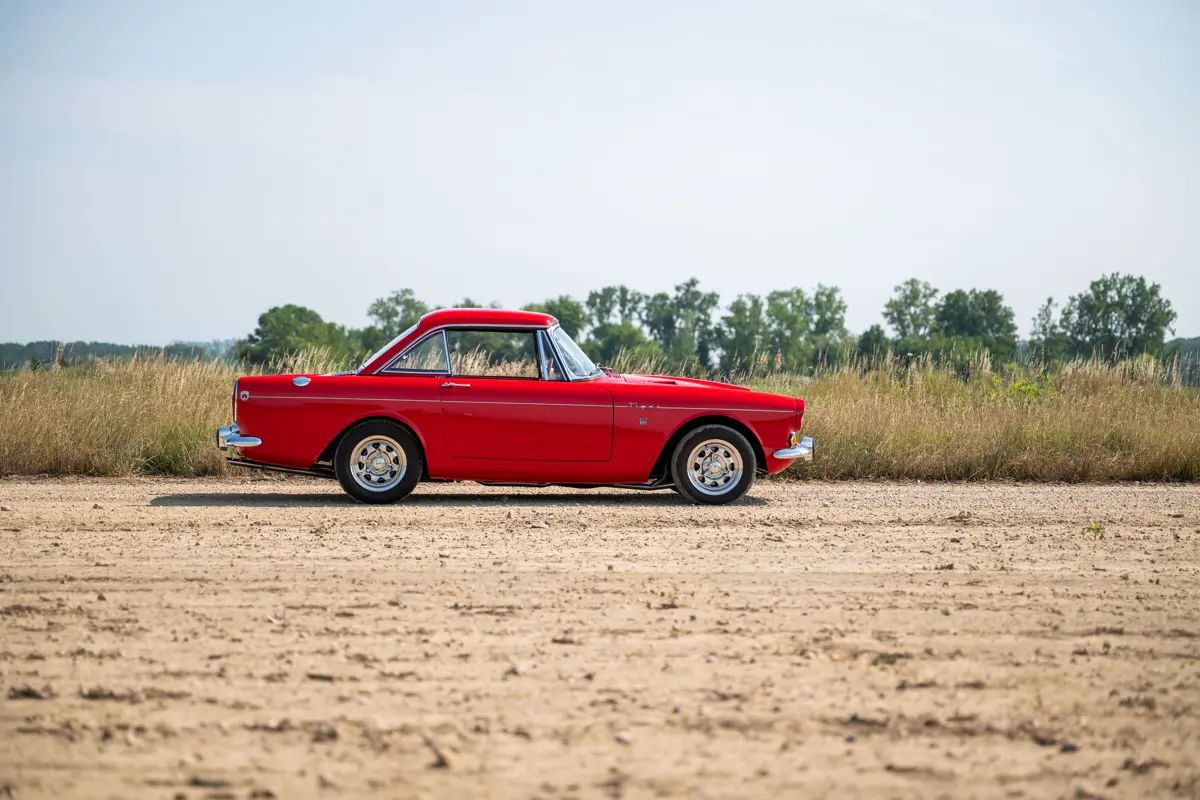
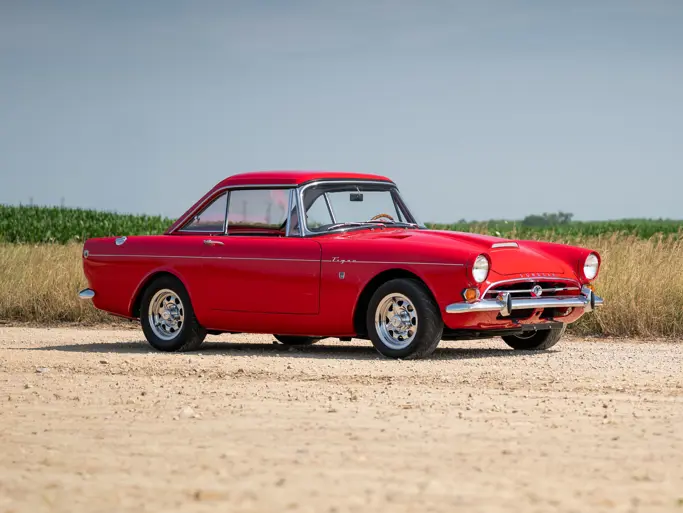
1965 Sunbeam Tiger Mk I
Shelby had shown what it could do with a V-8 and a British sports car. And Rootes wanted some of this magic for itself.
Having witnessed the Shelby Cobra from afar, the Rootes Group sought to endow its Sunbeam Alpine with more meaningful performance. After an unsuccessful attempt to get Ferrari to develop a more powerful version of its four-cylinder Alpine engine, Formula 1 World Champion Jack Brabham suggested getting in contact with Shelby himself.
Shelby determined that Ford’s compact V-8 would fit within the Alpine’s engine bay and agreed to build them—creating one of the most charismatic, and sadly forgotten, sports cars of the era.
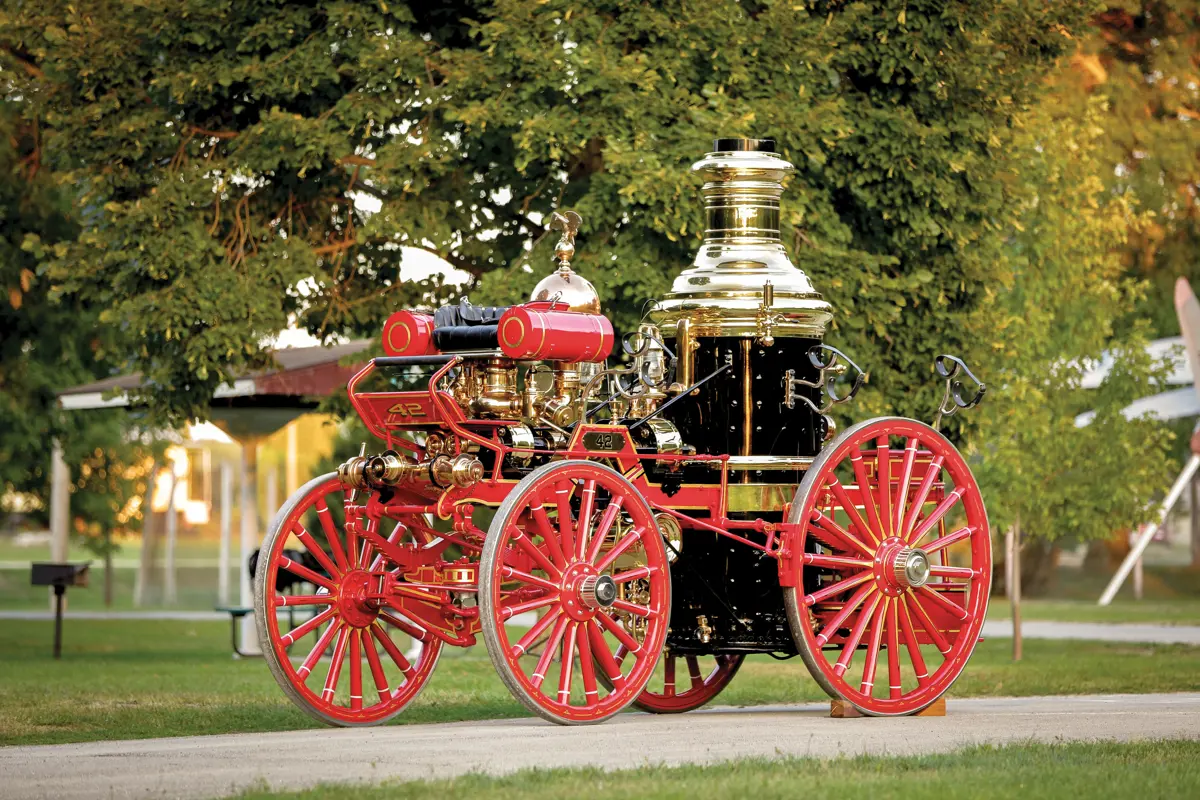
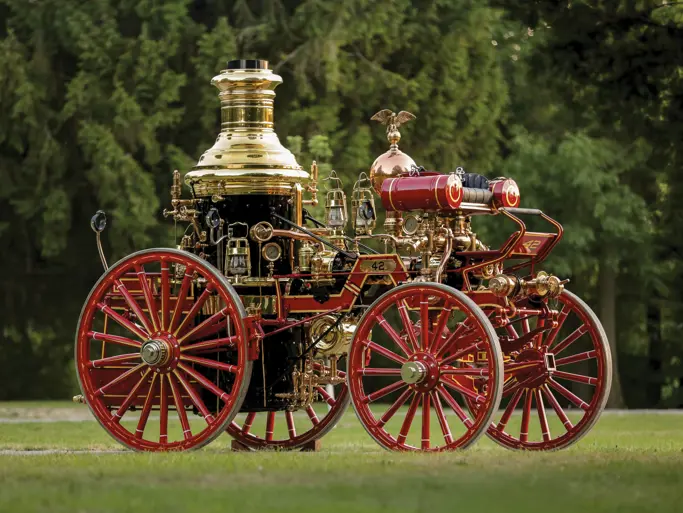
1894 Silsby/American LaFrance Fourth-Size Steam Pumper
There are three fire engines heading to Hershey. This is the most remarkable.
Silsby was among the most prominent manufacturers of steam fire engines—its main differentiator was that, instead of using old-fashioned reciprocating engines and pumps, Silsby employed an innovative rotary pump design. It was, in fact, so popular that the design would survive a parade of mergers that would see Silsby folded into the giant American LaFrance company, which would keep these designs in production for years to come.
This steam pumper was the company’s final design, with an arch-framed “crane” configuration and a pump capable of pumping 500 gallons per minute. The Philadelphia Fire Department became synonymous with Silsby models, purchasing 136 steamers over 59 years. This model is the only known Silsby pumper remaining from the Philadelphia units.
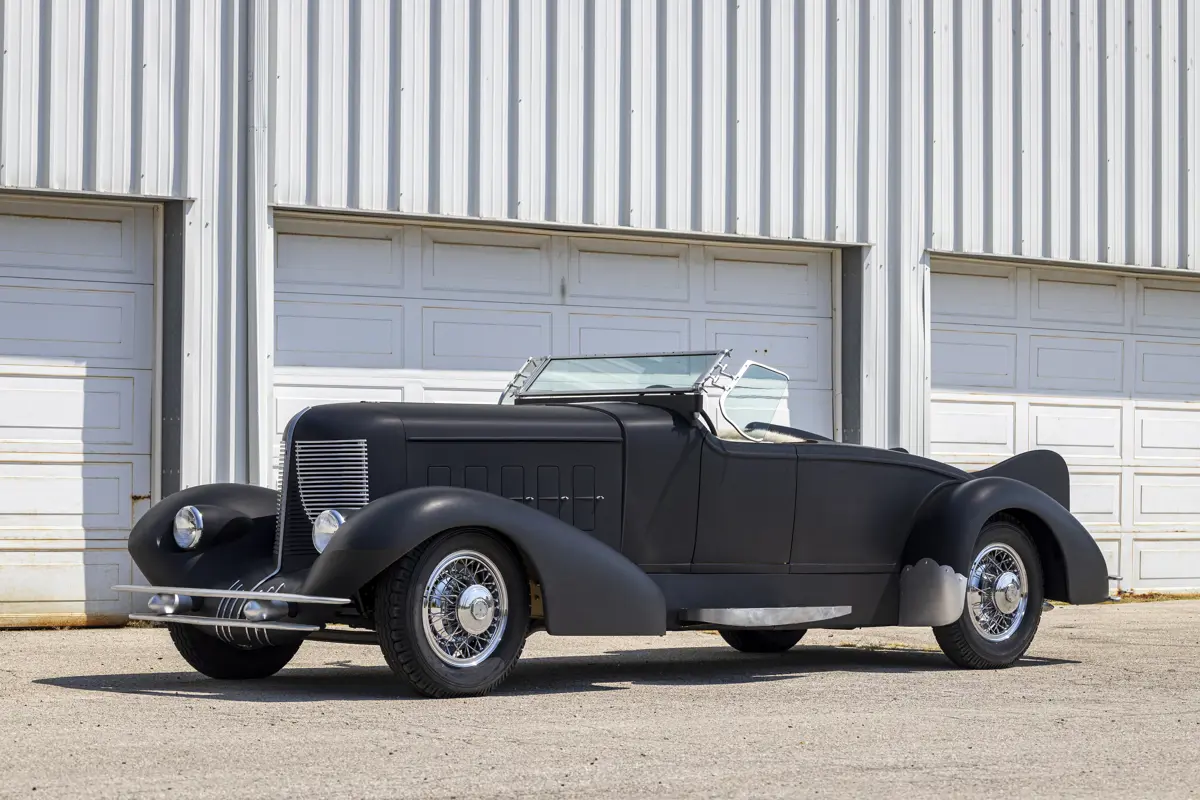
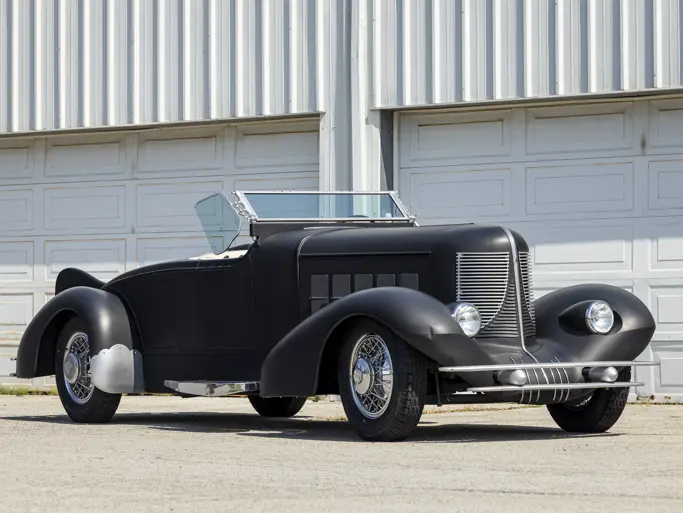
1931 Cadillac 370-A V-12 'Buck Jones Speedster'
A Classic Era custom Cadillac built for a film star. But built by whom?
The actor in question is Buck Jones, a former cowboy turned Western movie star. But the builder is harder to pin down. Buck’s widow, Dell, attributed the car as having been designed by Harley Earl and built by his family’s Earl Coach and Body Works. But by this time, the Earl firm was a thing of the past, with its scion fully employed by General Motors. It is more likely that the work was completed by another custom shop in the Los Angeles area, perhaps that of the Don Lee Cadillac dealership.
The car is based on a Cadillac V-12 limousine and incorporates a handmade streamlined radiator shell, modified 1934 Cadillac “biplane” bumpers, rounded pontoon-style fenders in an Auburn Speedster vogue, and a dramatic tapered, rounded tail that carried the spare wheel between two towering tailfins.
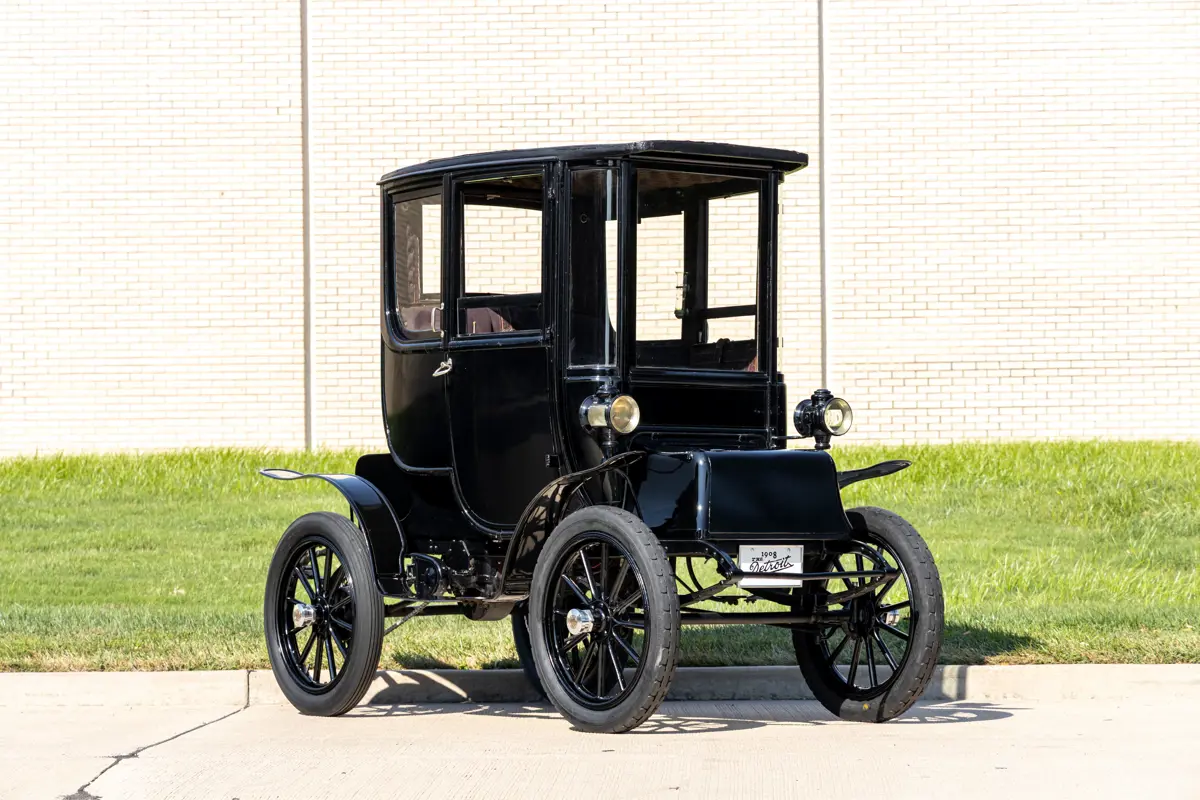
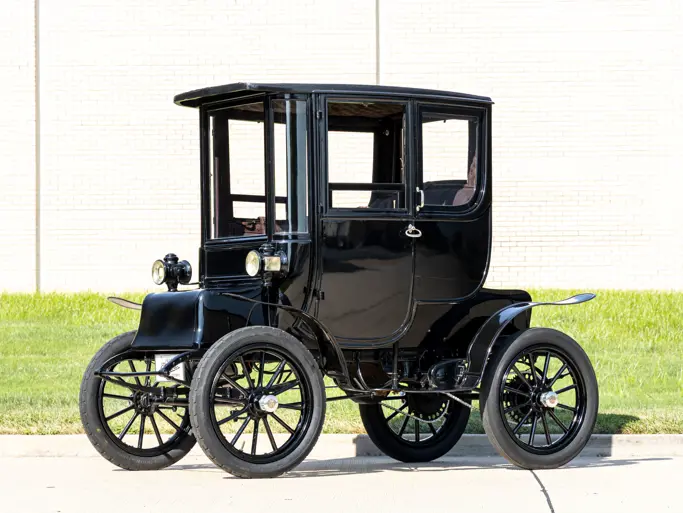
1909 Detroit Electric Model D, Type K Brougham
The earliest known survivor of what was the most famous US-built electric car. Detroit Electric was one of the largest makers of American EVs and, indisputably, the longest-lived, remaining in production from 1907 to 1939.
The reason for its downfall—slightly ironically, considering EVs are thought of as cutting-edge now—is not moving with the times. The company kept with its conservative horseless-carriage design at a time when Chevrolet Masters, complete with six-cylinder engines and yearly styling updates, were now the best-selling cars of the era.
The earliest were built to a design by George M. Bacon that featured dual chain drives to the rear axle, a chassis layout in use from 1907 until 1911. Only two Detroit Electrics equipped with dual chain drive are known to have survived—this is one of them.
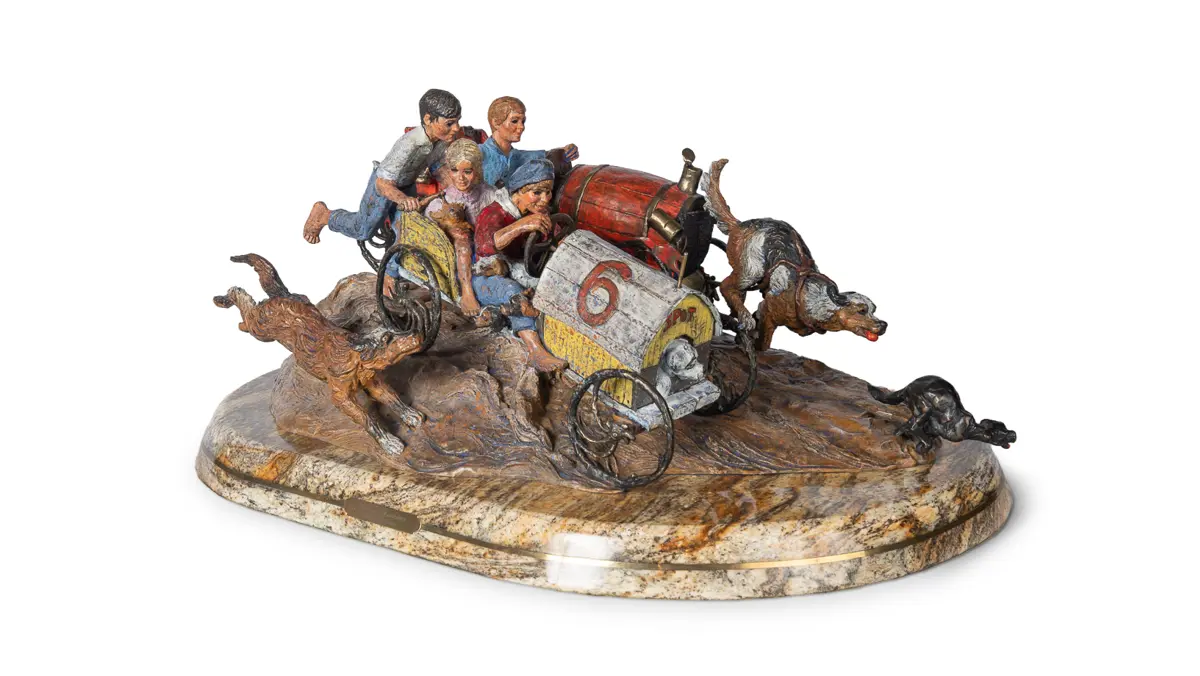
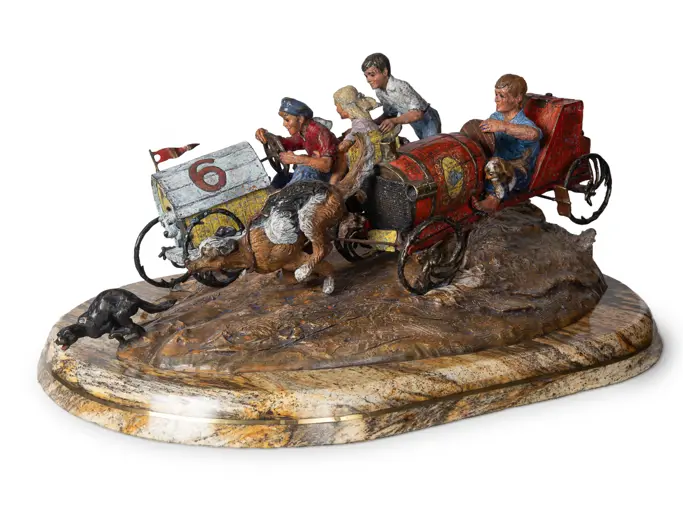
'Dream Machines' by Stanley Wanlass, 1989 Artist Copy
The artist Stanley Wanlass is best known for his sculptures depicting heroic moments in American history. Monuments made by Wanlass are found in memorials and universities across America.
But he is also famous for his automotive pieces of art. Dream Machines is considered one of the artist’s most visually interesting and involved automotive bronze sculptures. It depicts children gleefully barreling along in self-made box cars, with dogs racing by their side. This unique artist copy, signed “Wanlass 89,” features intricate hand-painted highlights.
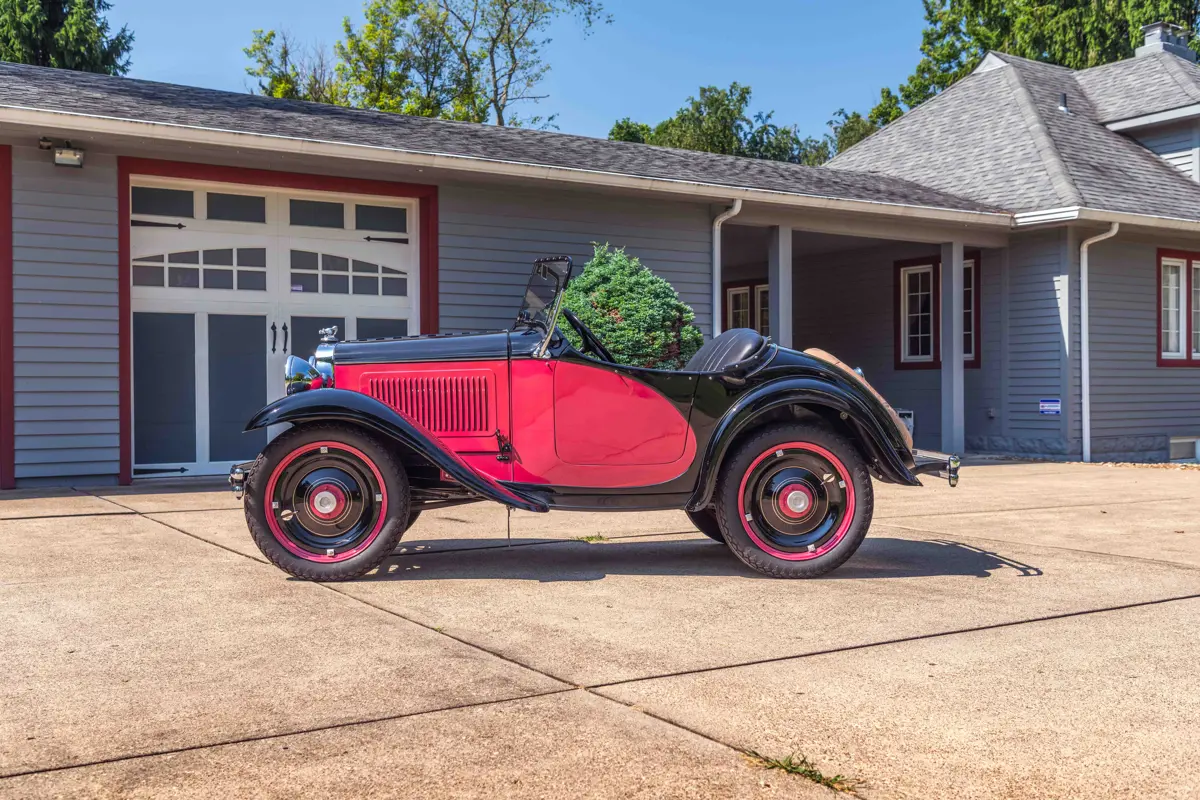
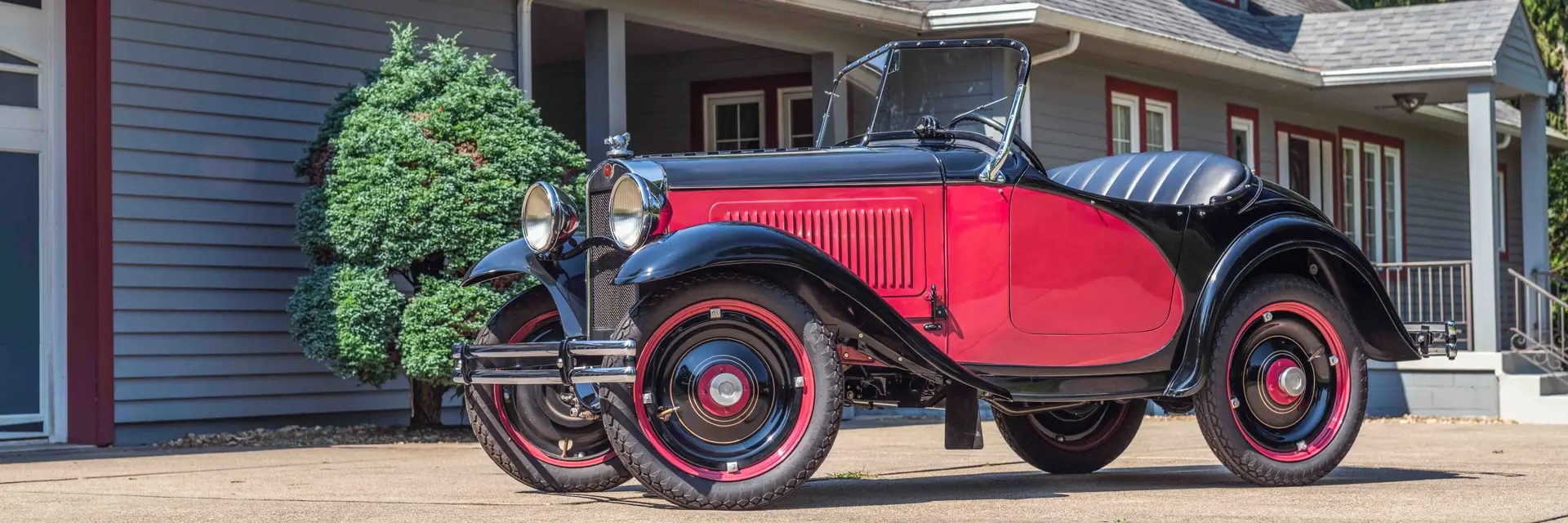
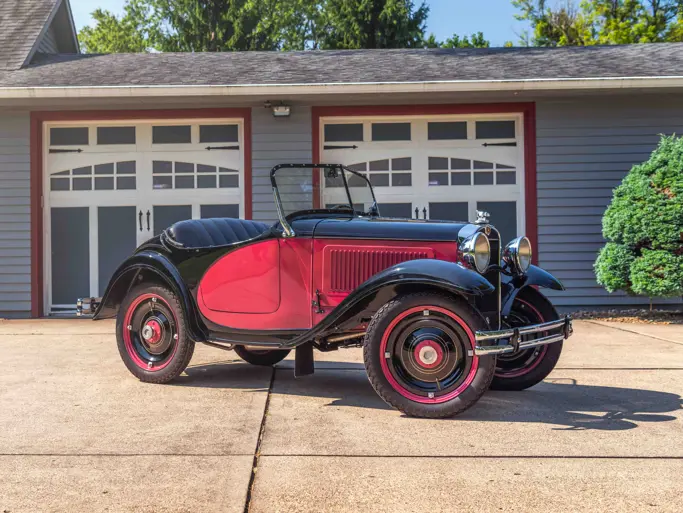
1934 American Austin Roadster
An Austin 7. But not as you know it.
The American Austin Company built Austin 7s under license from the British Austin Motor Company. Mechanically related to the Austin 7, it was among the earliest microcars offered in the United States but differed significantly in appearance from the British-made car. Its design, penned by Count Alexis de Sakhnoffsky, was supposedly inspired by Walt Disney’s depiction of a small roadster for Donald Duck.
Offered in several body styles, including a distinctive two-seat roadster, these diminutive automobiles attracted considerable attention for their unconventional proportions. Notable owners reportedly included Al Jolson, Ernest Hemingway, and Buster Keaton.
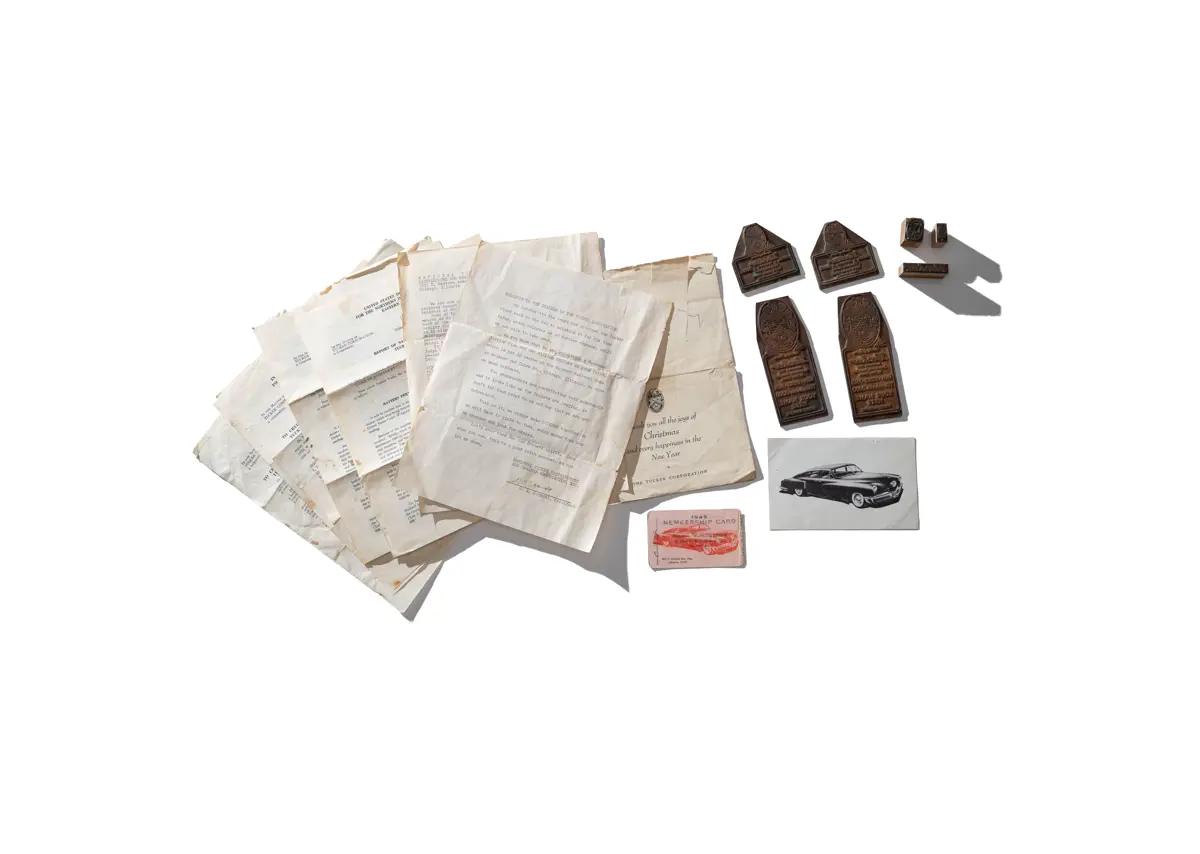
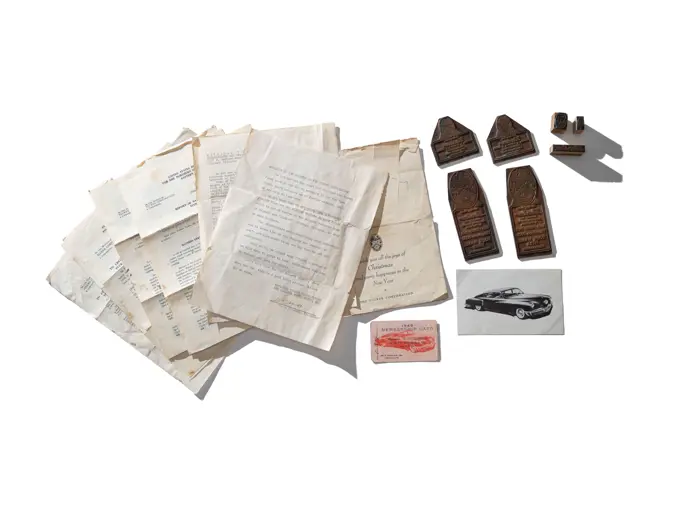
Tucker Dealership Printing Stamps, Association Card, and Documents
The paper trail of a failed revolution; the physical embodiment of a story depicting a company truly ahead of its time.
The “Car of Tomorrow,” the Tucker 48, was born from Preston Tucker’s audacious vision to reinvent the post-war automobile with technology that included seatbelts, turning headlights, and disc brakes. The doomed company was a symbol of ambition and innovation. Francis Ford Coppola and George Lucas even teamed up to make a film about it.
Only 51 Tuckers were ever made. This fascinating collection of Tucker memorabilia, including a dealer association card, dealership stamps, and court documents from 1956 detailing the company’s bankruptcy proceedings, brings the paper trail of an unsuccessful transformation to life.
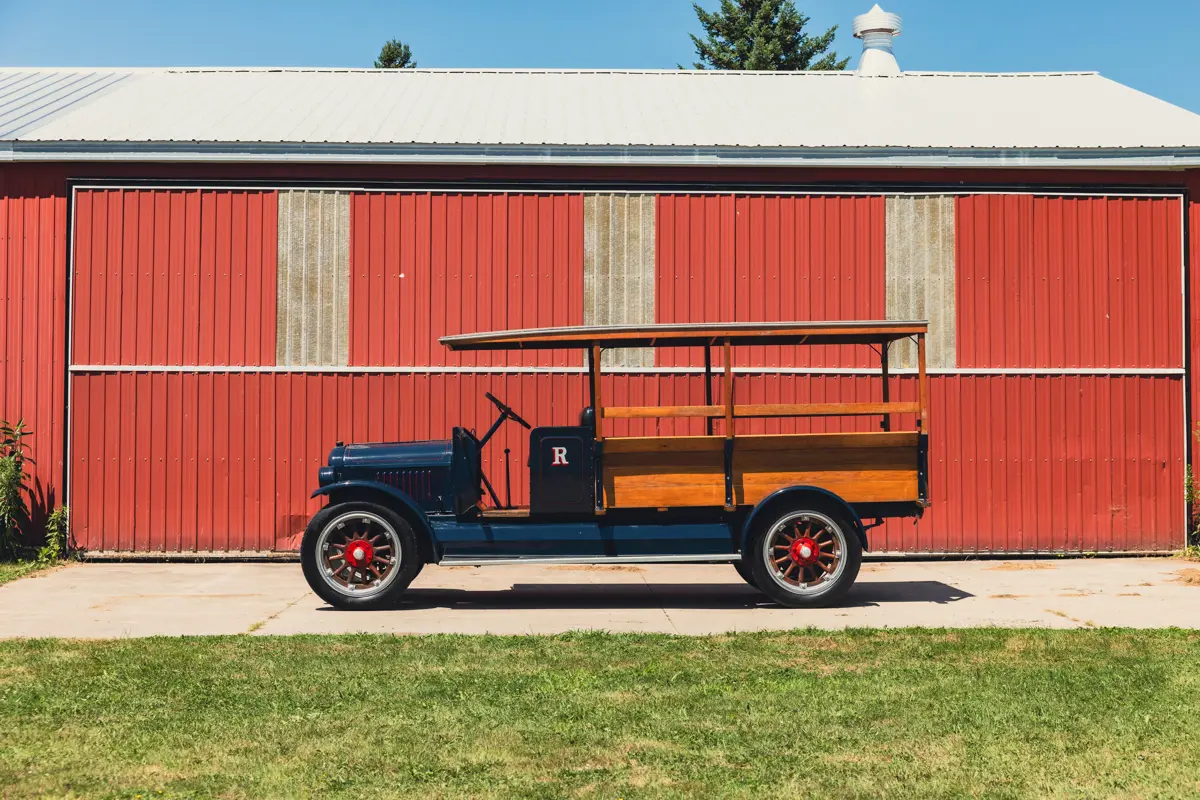
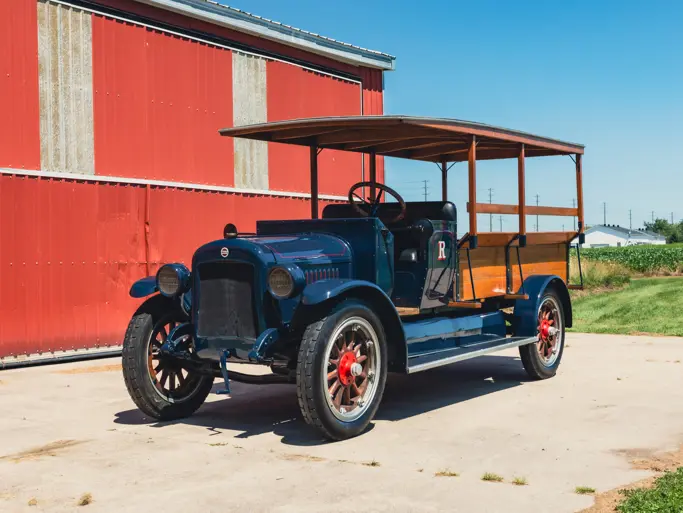
1923 Ruggles Canopied Top Express Truck
Obscure company? Full-size commercial vehicle? Wooden stake bed? If you’re after a weird pickup truck, this is it. Ruggles Motor Truck Company produced vehicles ranging from three-quarter-ton to three-ton capacity, as well as a bus chassis capable of carrying 16 to 29 passengers.
It operated successfully from 1920 to 1926, but the small independent manufacturers of the era soon found themselves squeezed by an increasingly saturated market. A significant loss of inventory during a hurricane in Coral Gables, Florida, compounded Ruggles’ problems, sending the company into receivership by 1927. The operation was fully shuttered by 1928.
Surviving Ruggles trucks are incredibly rare. The vehicle offered here represents a “Go Getter” Canopied Top Express, distinguished by its finely crafted wooden stake bed and full-length canopy, which complement its steel body.