Study Senna’s races, watch the documentaries—or sit where he sat and drive the car he chose.
Settling into a driver’s seat once occupied by one of your heroes is an eerie experience. Held in place by the bolsters and belts, you are perfectly co-located with them physically, and separated only by time.
You see what they saw and do what they did if you’re lucky enough to get to drive. Your feet work the same pedals. Your hands—usually bare when driving a road car—are in constant contact with the same leather or wood on the steering wheel and gear lever, and you wonder how much of their patina was contributed by your idol.
Back in 2010, I drove the Aston Martin DB5 used to film the action scenes on the Furka Pass in Goldfinger, just before it was sold at auction by RM Sotheby’s. The knowledge that the young Sean Connery’s somewhat firmer buttocks had once graced the same creased hide made it worth the premium being asked, to me at least.
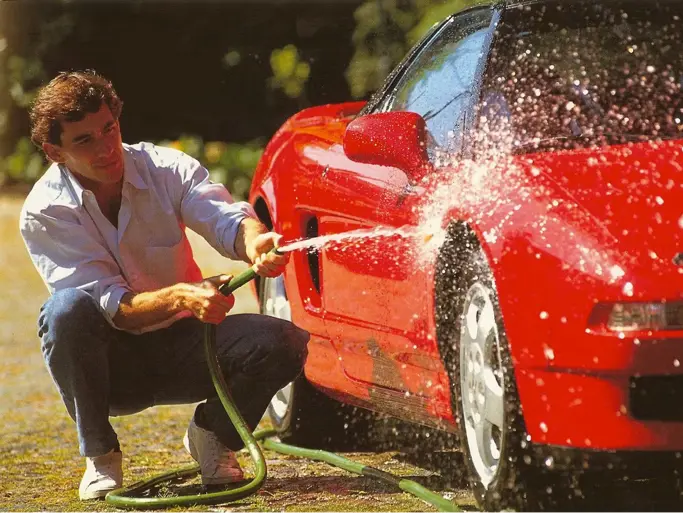
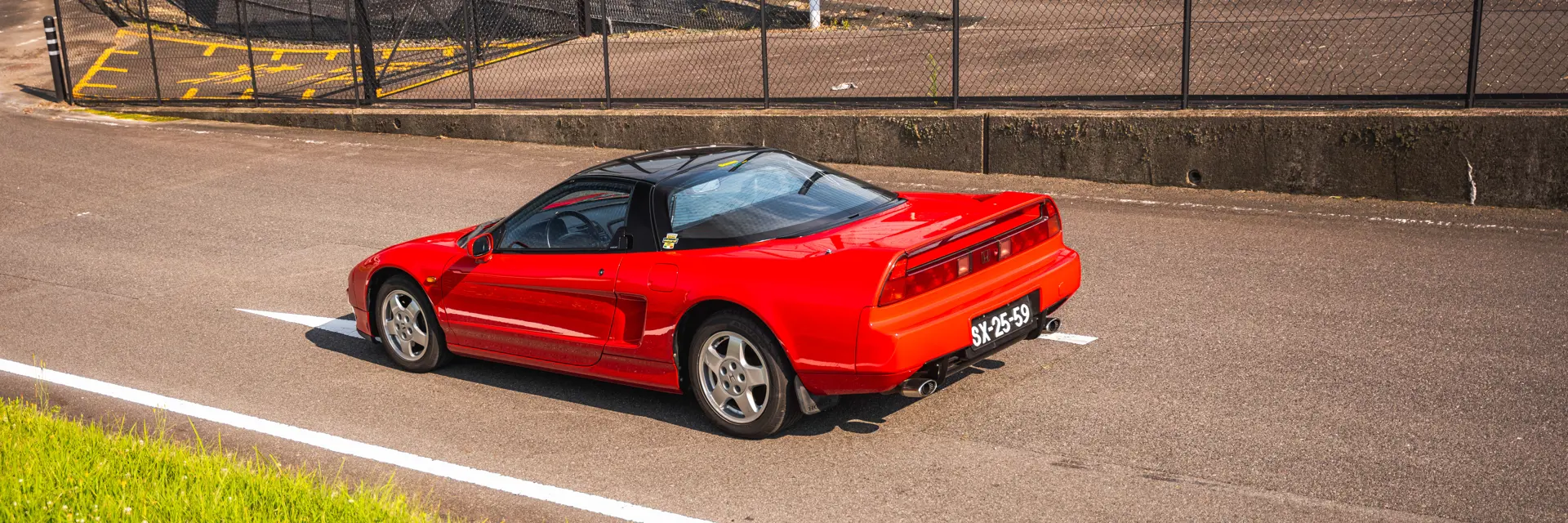
But that connection is more significant when you’re in a seat once occupied by one of the greatest drivers ever to turn a wheel, and one who was killed heartbreakingly early. The red 1991 Honda NSX being offered by RM Sotheby’s at its London sale was kept by Ayrton Senna for three years and driven by him for 5,000 kilometers. I was fortunate enough to drive it when it was last in the UK and, for a Senna fan—as we almost all are—it was a genuinely affecting experience and one of the most significant, memorable things I’ve done as a motoring writer. That experience and connection is what’s really being offered on 31 October, and not just a very fine example of a seminal and fast-appreciating modern classic supercar.
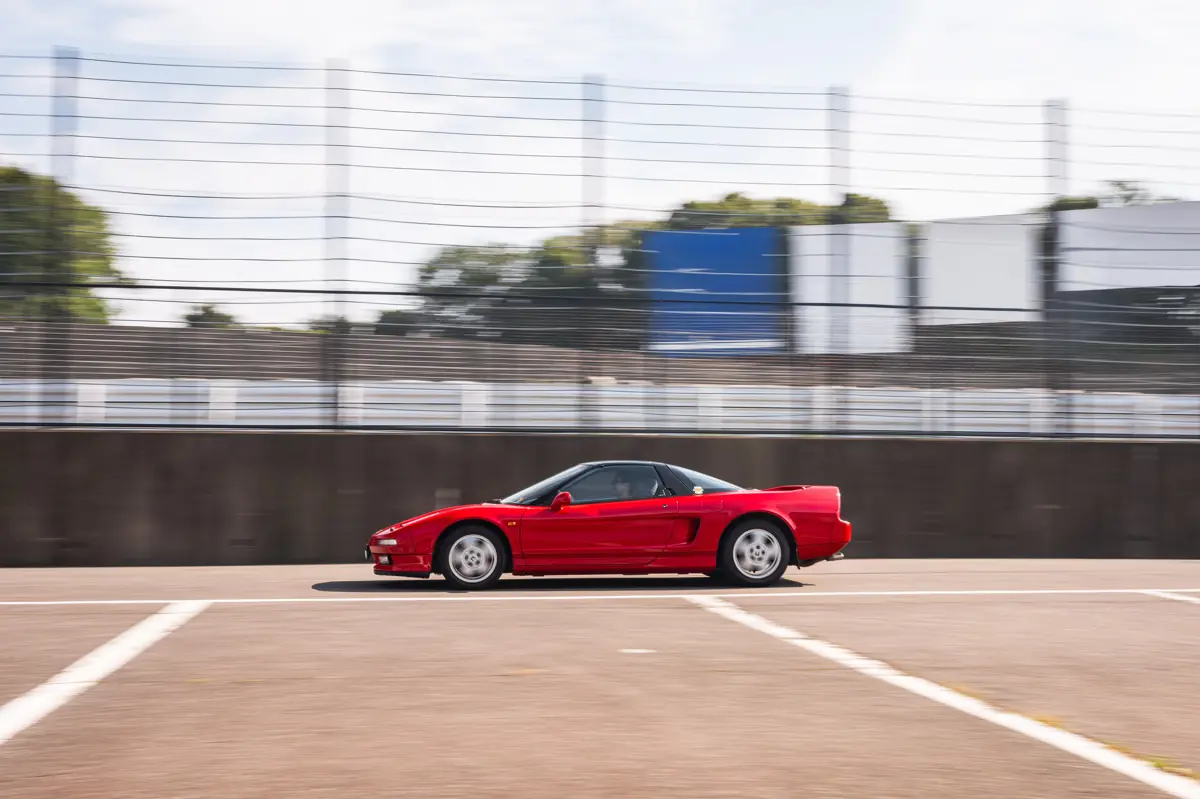
Senna raced Honda engines at both Lotus and McLaren in the six Formula 1 seasons between 1987 and 1992. Much has been made of his influence on the development of the NSX, Honda’s first supercar, but in truth it was confined to a handful of track sessions, the most notable being at Suzuka in February 1989, just as the car was being unveiled at the Chicago Auto Show. He famously described it as “fragile,” prompting its engineers to increase its torsional stiffness by half. More famously, the session gifted Honda a promotional film of Senna making it fly around Suzuka, shod in white socks and shiny brown loafers. Even if it was still a little limp by his standards, it was plainly very quick.
After it was launched to surprise and acclaim, he had the regular use of three examples. His black NSX remained in Brazil and in family ownership. Another black car, its Senna association less regular and well documented, was bought for his use when in Lisbon by his friend, the financier Antonio Braga.
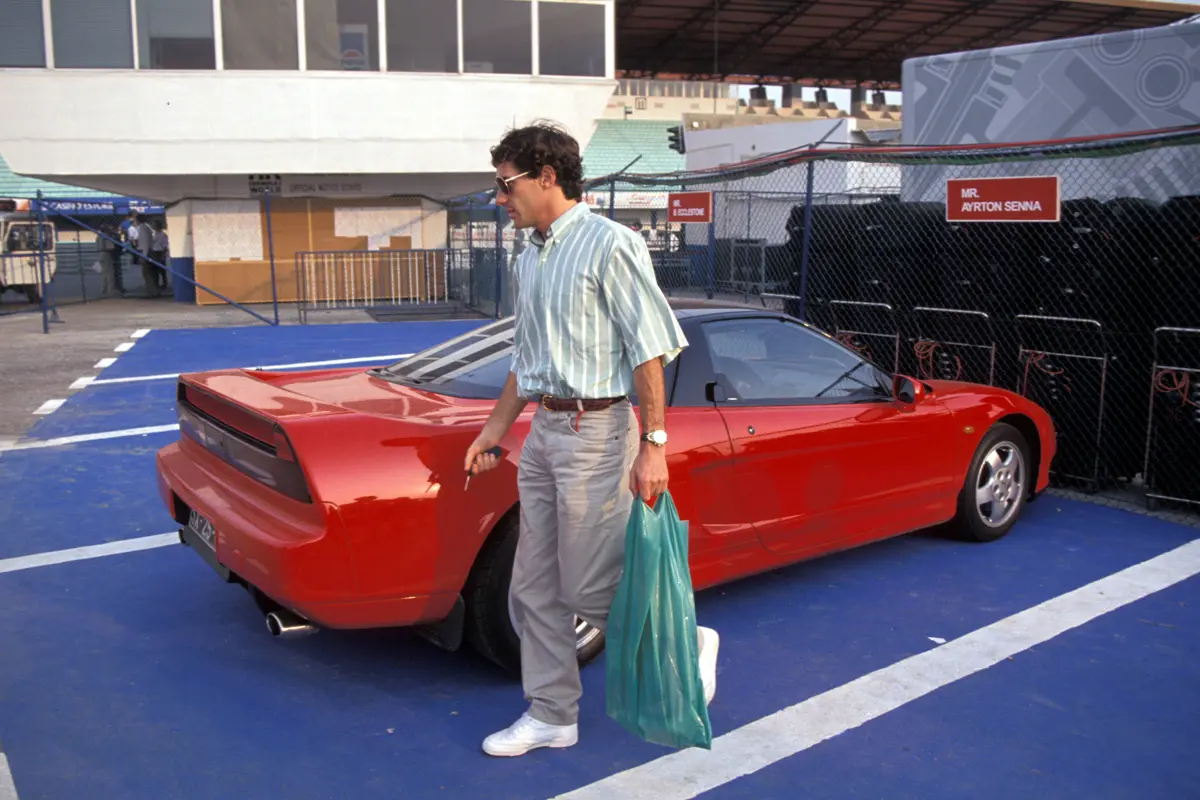
But the NSX he is most associated with is red and was the first example imported into Portugal. It was registered in March 1991, six months after the model first went on sale in Japan, and loaned to Senna. He kept SX-25-59 at his villa in the Algarve, drove it to Grands Prix and testing, and was photographed washing it and doing burnouts in it before it was returned to its maker after the 1993 season. The car was sold to a Portuguese family, then bought and displayed by the Honda dealer in the Algarve. British Senna enthusiast Robert McFagan bought it in 2013, acquiring the black Braga car a year later. When he compared the service books, he spotted that they bore entries from the same mechanic on consecutive days in the week before the Portuguese Grand Prix at Estoril, 10 minutes’ drive from Braga’s home in Sintra.
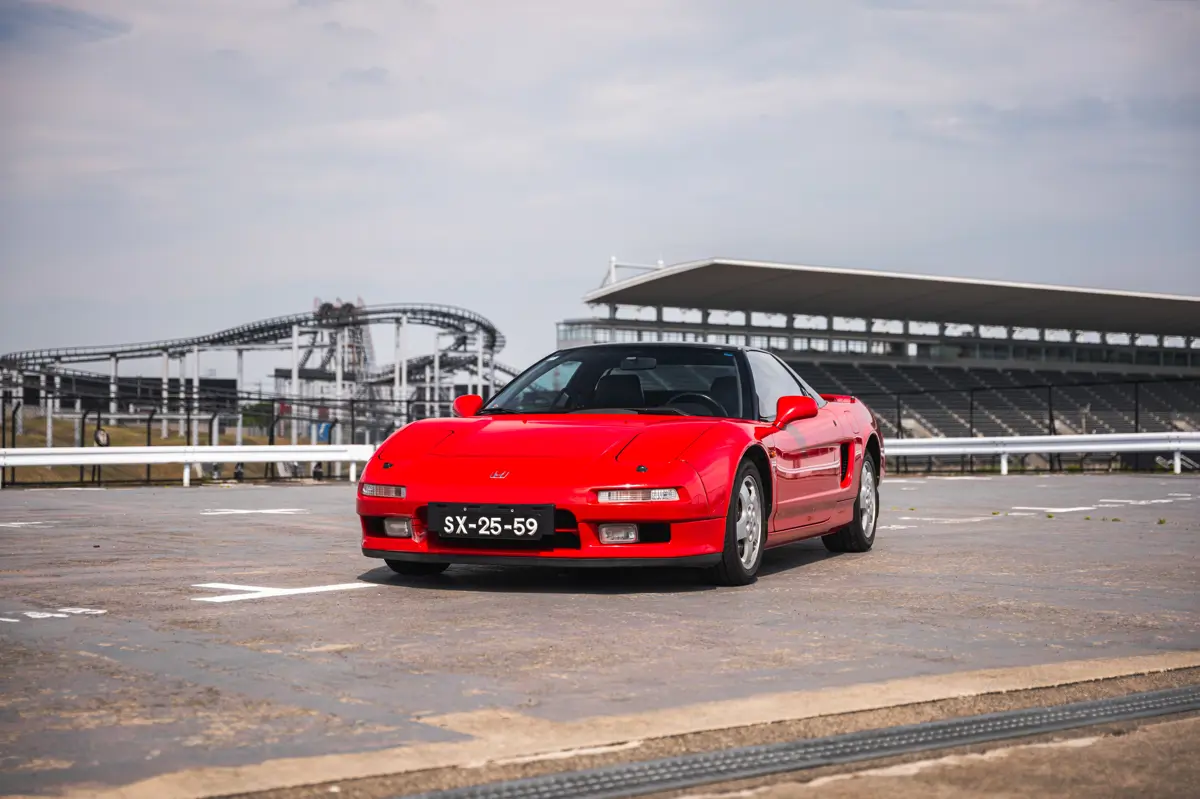
The significance of Senna’s Formula 1 cars is plainly greater, but if you’re chasing a connection with the man himself, might his road car be the better bet? Apart from the financial commitment, you don’t need a race suit, helmet, track, and crew to drive a road car, and you won’t constantly be reminded of your own inability to get anywhere near its limit. Instead, you can use this NSX exactly as its first user did: frequently, off-duty, and by choice.
With just 63,000 kilometers on the clock and just a handful of well-heeled owners well aware of its significance, this car has led a sheltered life and looks as it did when its first user stepped onto his drive in the piercing Algarve sun, key in hand, to drive it up to Estoril or just out for dinner. The Civic-like user-friendliness of the NSX has often been remarked on, making it an easy companion on gentle social drives. But it serves a useful second purpose when you’re driving Senna’s old car. It is so easy to see out of and maneuver that I started to relax sooner than I’d expected, allowing my focus to shift away from the fact that I was driving a small but significant piece of motorsport history on ill-disciplined public roads and towards the stuff that made Senna want to drive one.
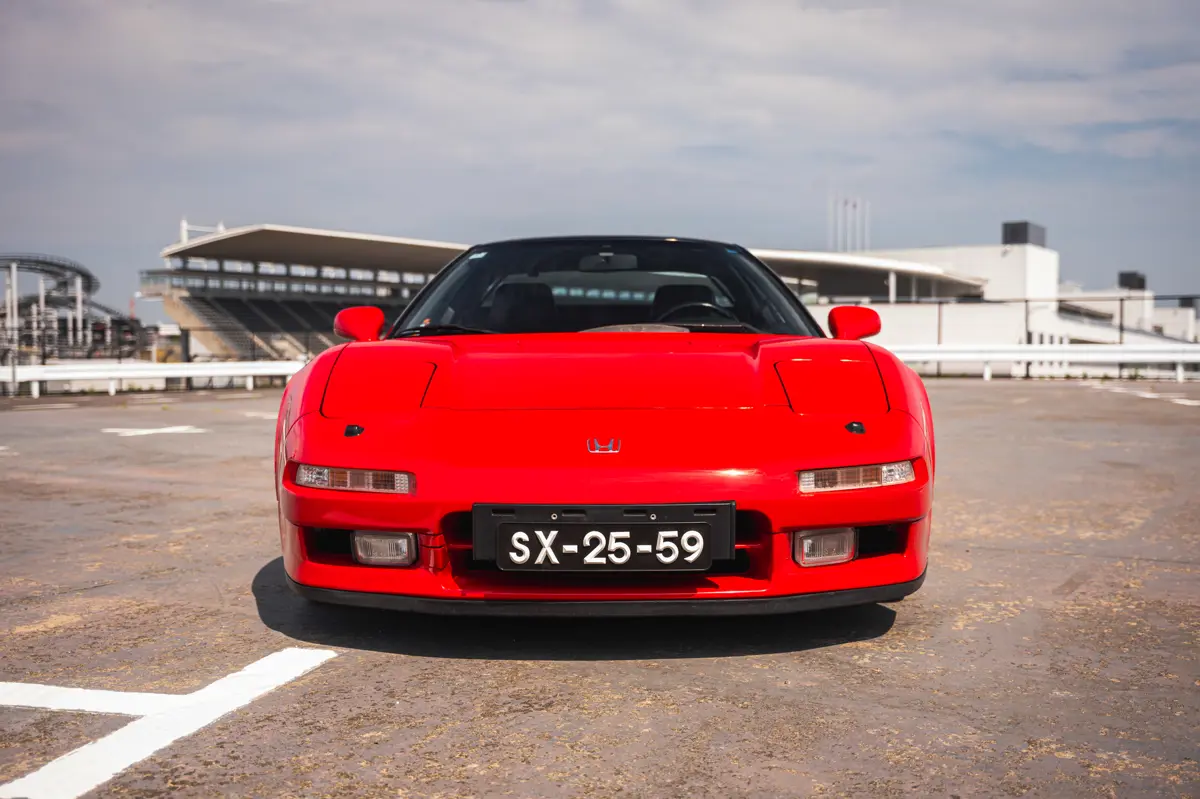
Even he must have loved how that car felt and sounded, and still does. The wrist-snap shifter action defines why collectors are currently obsessed with modern but wholly mechanical cars. As does the intoxicating howl of that VTEC V-6, its cammy power metered with perfect linearity by the drive-by-wire throttle. The supple ride is at odds with the edgy look and sound of the thing, and the unfussy, benign demeanour flatters the less gifted driver. Only the brakes remind you of this car’s 35 years, but that’s down to the progress of modern cars rather than lack of maintenance.
Senna’s car unites cast-iron provenance with a design which was a benchmark and a turning point in the history of the supercar, and it drives almost exactly as he might have remembered had he been spared to us. You might buy this NSX for the Ayrton association, but you’ll want to drive it for its own sake.