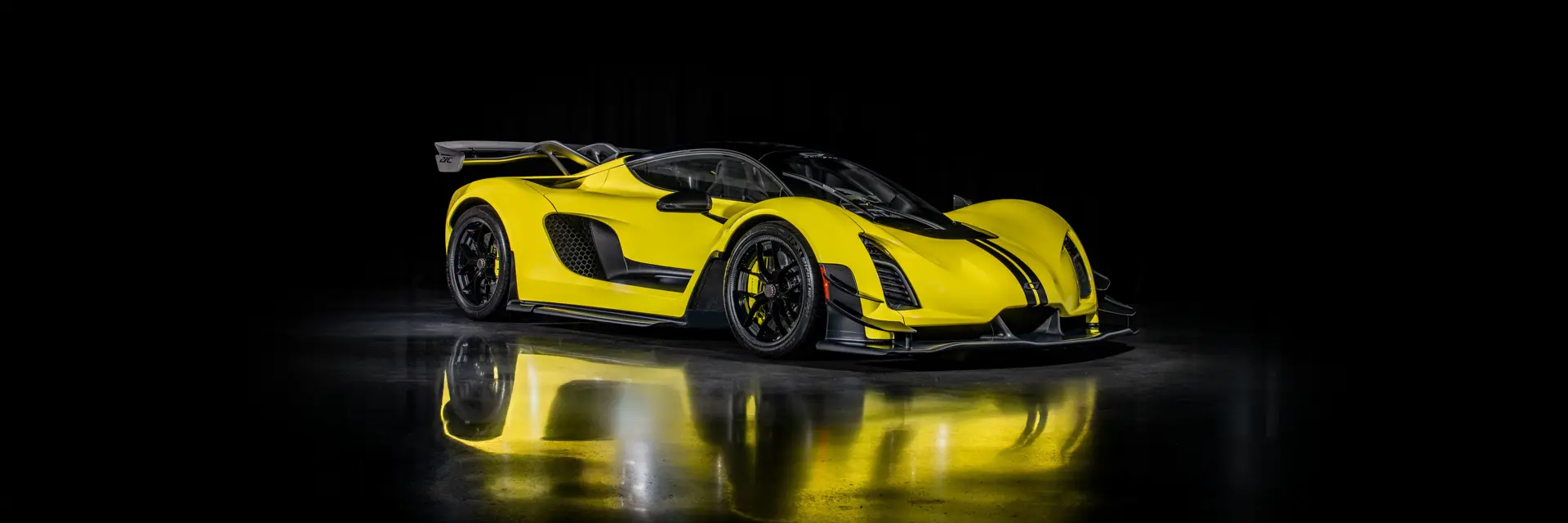
The first Czinger sold at auction achieved $2,535,000, setting a new benchmark for the fledgling hypercar company.
Categorizing Czinger as a milestone in automotive engineering might sound extreme. But this is a company built to push beyond what was previously possible, unshackled from many of the constraints that have governed car production for more than a century.
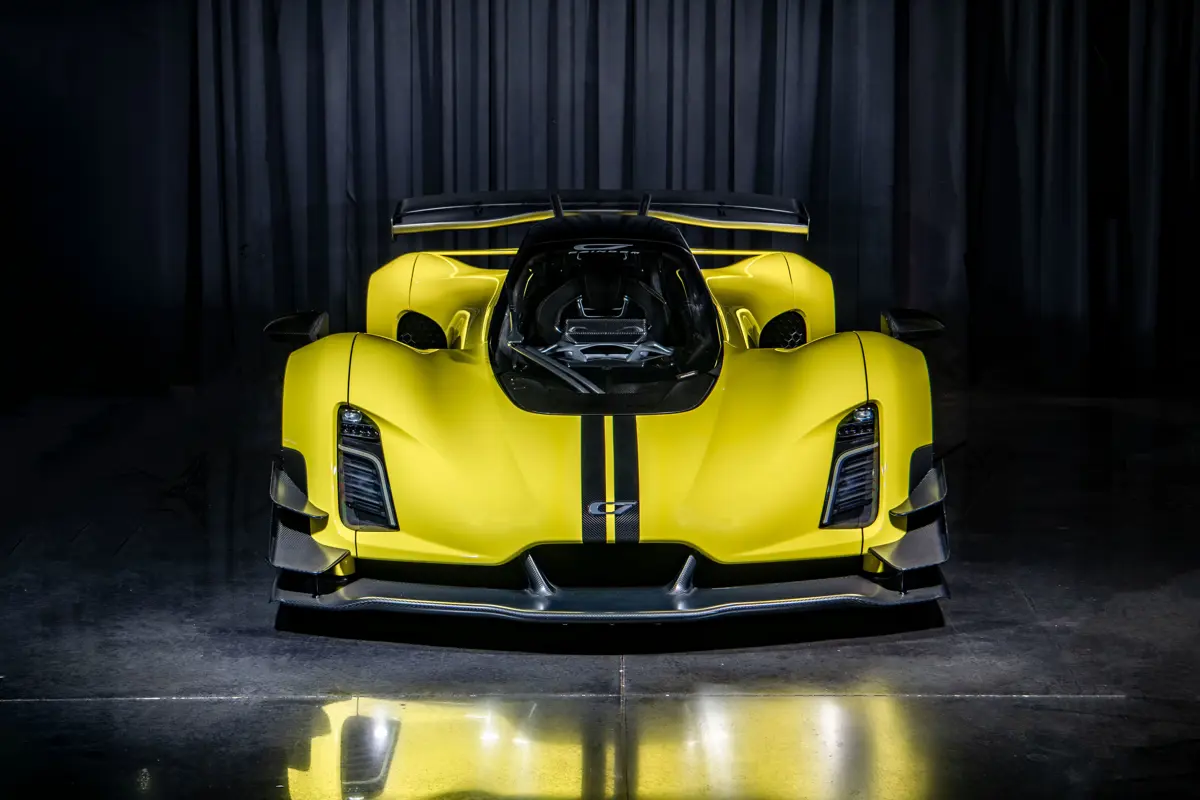
Established in 2019 by father and son Kevin and Lukas Czinger, the Los Angeles-based company takes a radically different approach to building a hypercar. It draws heavily on the technology developed by its sister company, Divergent Technologies, an advanced manufacturing business founded by Kevin Czinger that works on complex structures for the automotive and aerospace industries.
Czinger is perhaps best known for its Bio-Logic Engineering approach, which uses sophisticated computational design to 3D print components including the chassis, suspension structures, and other key elements.
Its proprietary 2.88-liter twin-turbocharged V-8, found in its debut car, the 21C, produces 750 horsepower on 91-octane pump fuel and revs to 11,000 rpm. Combined with two electric motors driving the front wheels, the hybrid system produces 1,250 horsepower.
And Czinger is not resting on the 21C. At The Quail by The Peninsula, A Motorsports Gathering during Monterey Car Week, it revealed a dramatic open-top evolution of the car called the Spyder. It attracted hundreds of thousands of views across social media, but its significance went beyond its spectacular appearance. It also introduced a new braking system in which the caliper, upright, and hydraulic-fluid passages are combined into a single structure.
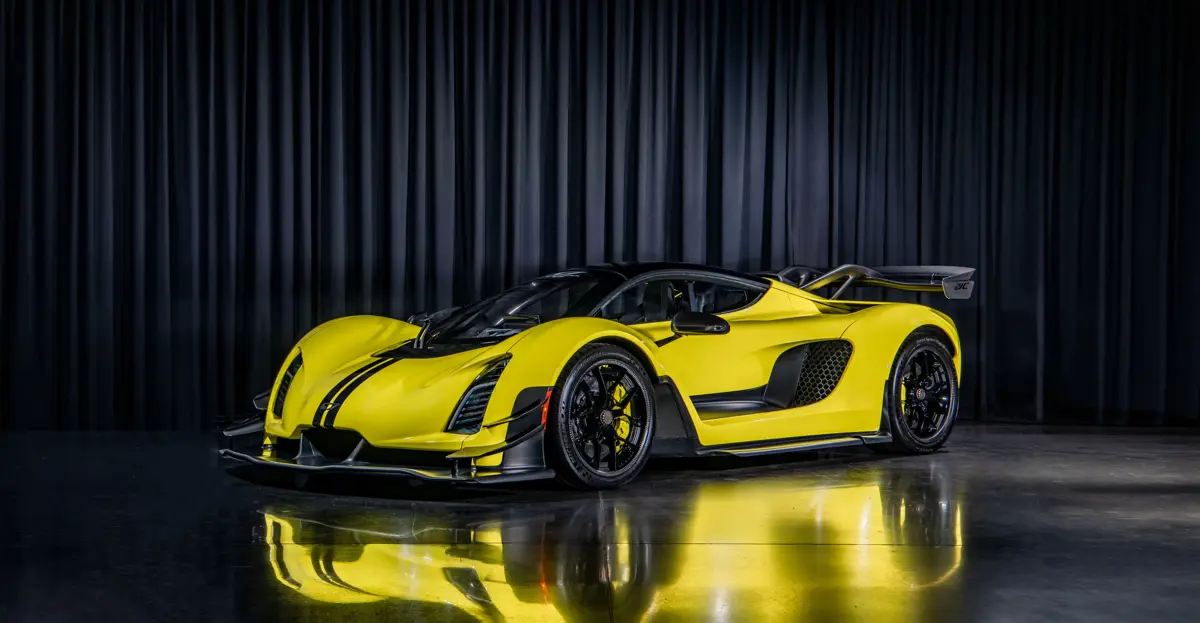
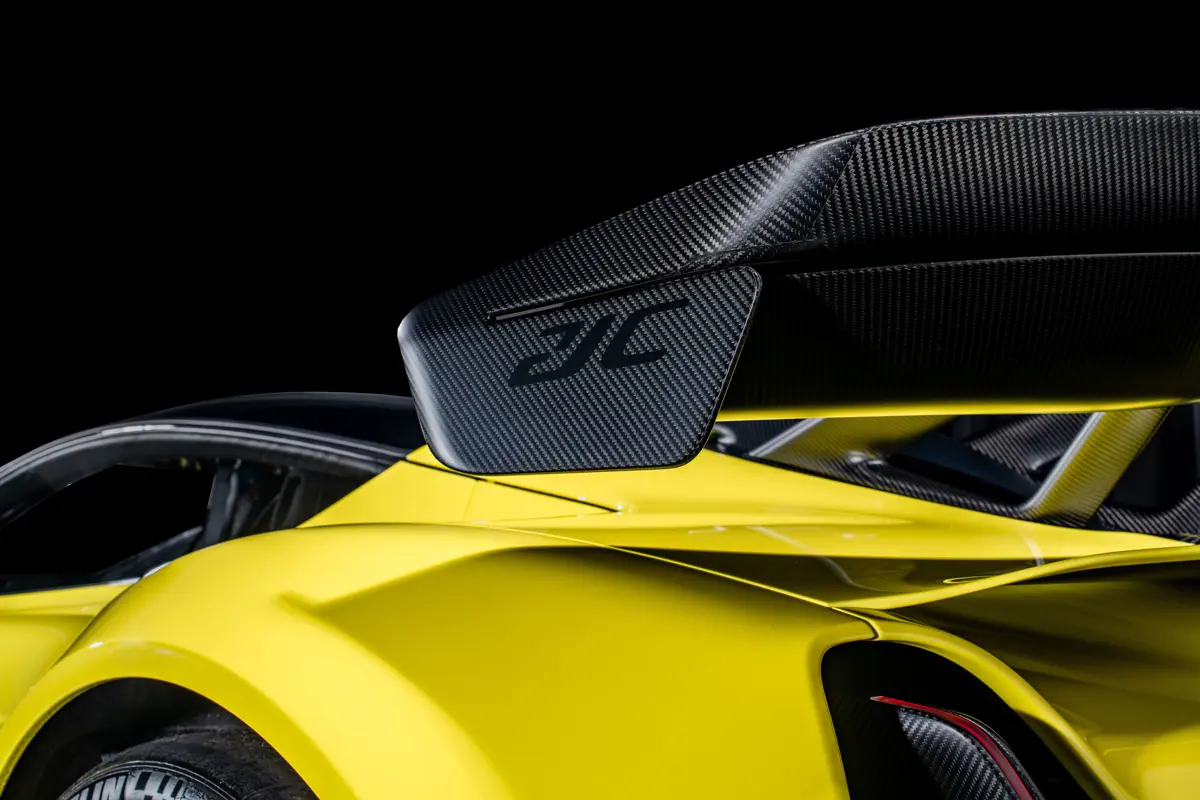
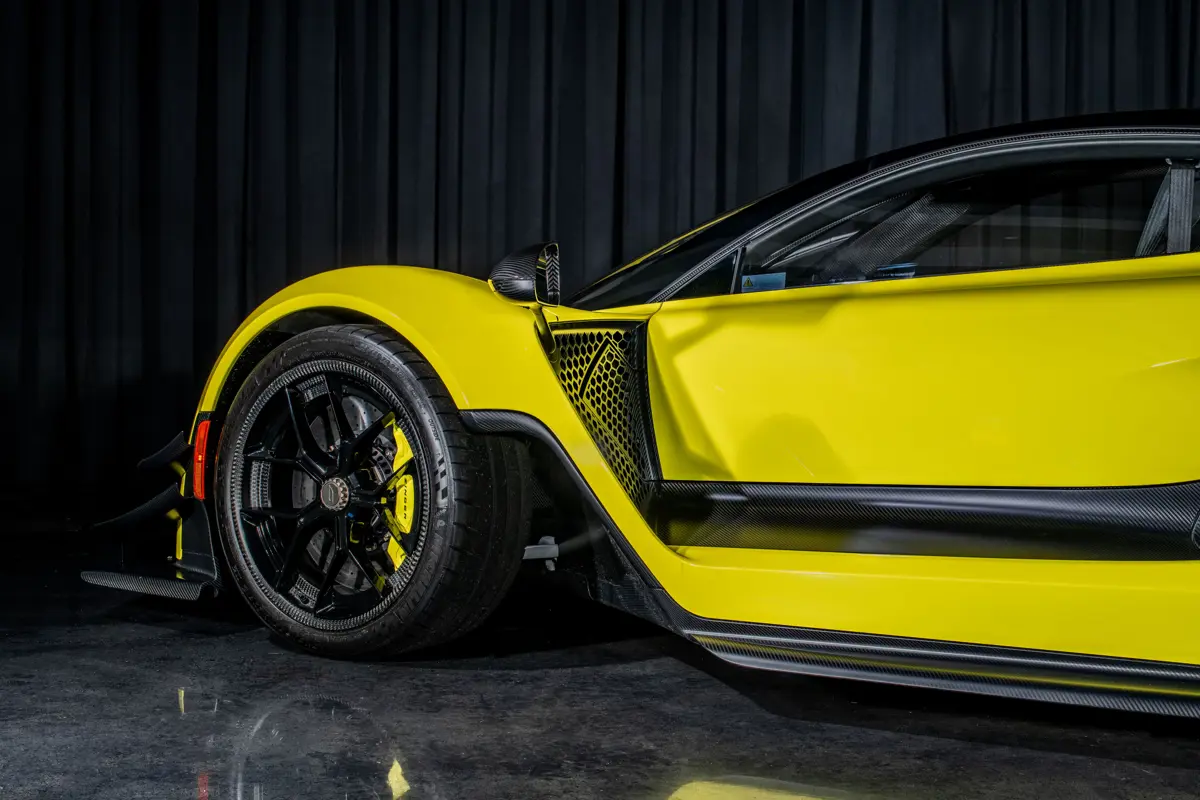
Eight miles north at The Portola Hotel, something equally important was happening for the brand. One of the world’s newest hypercar manufacturers had reached a significant milestone: its first production car had officially sold at auction. An Artemis Yellow Czinger 21C in High Downforce specification sold for $2,535,000 at RM Sotheby’s Monterey auction, thus establishing a new benchmark.
What Does It Mean for the Market?
The modern collector car market has shown a clear appetite for highly engineered, low-production cars. Restomods remain particularly strong. Over ten Porsche 911s reimagined by Singer have sold publicly at auction so far this year, with each achieving $1 million or more.
But the Czinger result points to something different. It suggests that collectors are prepared to back genuine innovation from emerging manufacturers.
The 21C occupies an unusual position in the market. It is not a traditional supercar from Ferrari, Lamborghini, or Porsche, and it is not a reimagining. It is an entirely new proposition.
The $2,535,000 result provides an important piece of evidence for the secondary market. It demonstrates that there is demand for a Czinger beyond the initial purchase, and that collectors are willing to put serious money behind the company’s technology and limited production numbers.
There was no shortage of interest in the room, either. Multiple bidders competed for the car, underlining the level of demand for what remains an exceptionally unusual proposition.
“There is clearly a buoyant market for Czingers,” said Gord Duff, President of RM Sotheby’s. “And it’s easy to see why. They are incredibly built machines, and the technology they use is like nothing else.”
That secondary-market validation is important. A new hypercar can be sold to a collector for $2 million or more, but its long-term credibility depends on what happens when that car changes hands. This result may provide an early indication of how the market views Czinger as a marque.
What Is Czinger?
Lukas Czinger, the company’s founder and CEO, established Czinger Vehicles with his father, Kevin, in 2019. Kevin had previously founded Divergent Technologies, which specializes in the creation of complex technical structures for the automotive and aerospace industries. Its list of clients includes Bugatti, Aston Martin, and McLaren.
The company heavily leverages Divergent’s advanced manufacturing and design technologies. At the heart of its approach is Bio-Logic Engineering, which uses computational design, additive manufacturing, and advanced materials to create 3D-printed structures.
Every Czinger is hand-assembled in California. The company makes its own engine, its own structural components and, crucially, much of the manufacturing technology used to produce them.
What Is the 21C?
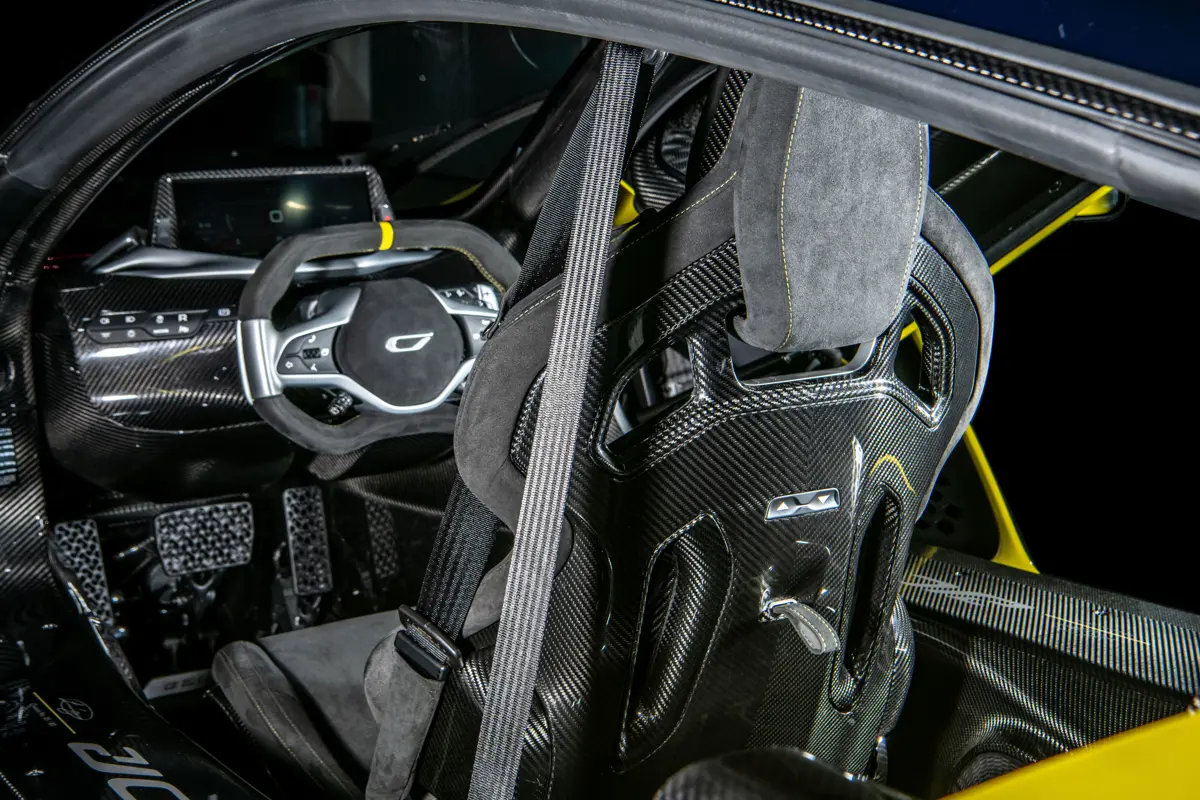
The 21C is Czinger’s first production vehicle and was designed from a clean sheet of paper. Its tandem seating layout, with the driver positioned centrally ahead of the passenger, is one of its most obvious visual departures from conventional supercars.
Beneath its dramatic bodywork is an equally unconventional powertrain. The 2.88-liter twin-turbocharged V-8 is mounted behind the driver and produces 750 horsepower on pump fuel, with an 11,000-rpm redline. An 800-volt electrical architecture powers twin independent electric motors on the front axle, contributing a further 500 horsepower. The result is 1,250 horsepower.
More than 20 percent of the car is manufactured using laser-metal-printed components and structures, with the technology allowing Czinger to optimize individual parts for strength, weight, and packaging efficiency. The resulting structures can take forms that would be difficult or impossible to produce using traditional manufacturing techniques. The 21C is being produced in an extremely limited run of 80 examples worldwide.